If you think your cat is getting up there in age, wait until you hear about the cats that outlived trends, technologies, and in some cases, an entire generation of humans. Most pet parents hope their cats live long, happy lives, but the cats you are about to learn about took longevity to a level that seems almost unreal. These super senior cats lived well into their twenties and thirties, and one even reached the unbelievable age of thirty-eight. Yes, thirty-eight. That means there was once a cat walking around who was older than Google, YouTube, the first iPhone, and even some of your favorite 90s shows.
You might already be familiar with Creme Puff, the most famous old cat of them all, but she is only the beginning. As you explore these stories, you will not just learn fun facts. You will also pick up helpful cat care tips supported by veterinarians and real cat owners who helped their pets reach record-breaking ages.
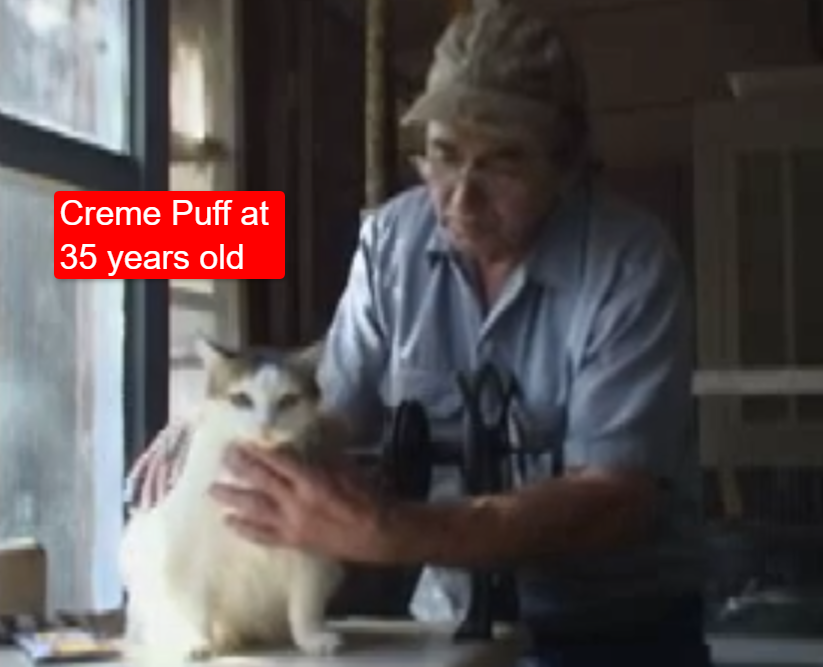
Let us start with Creme Puff because her story is so wild that it sounds like fiction. Creme Puff was born in 1967 and lived until 2005, reaching an extraordinary age of thirty-eight. If you translate that into human years using senior cat charts, she lived to be around 168 years old. Her owner, Jake Perry from Austin, Texas, had a very specific approach to caring for his cats. He believed in a high-protein diet, lots of mental stimulation, plenty of outdoor enrichment in safe spaces, and consistent affection. Perry raised several other cats who lived unusually long lives, so whether it was his care style, genetics, or a combination of both, something clearly worked.

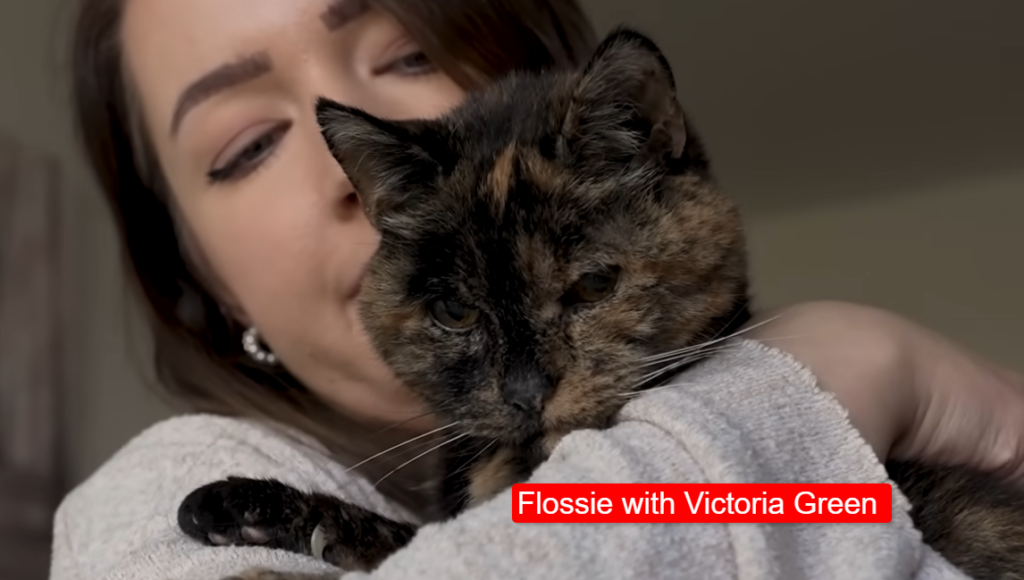
Creme Puff is not the only cat who pushed the boundaries of feline aging. Cats like Baby, Puss, Flossie, and Granpa Rexs Allen all lived into their thirties. When a cat reaches thirty, it is equivalent to a human living past 120 years old. These cats did it not by accident but through a mix of healthy routines, attentive care, and supportive environments. The more you learn about these senior legends, the more you realize that age is not just luck. Some of these patterns and habits show up again and again.
You might be wondering whether your cat has the potential to become a longevity superstar. While there is never a guarantee, understanding what helped other cats thrive can give you useful steps to support your own pet. One of the biggest takeaways from these stories is that long-living cats tend to have stable, low-stress lives. Cats thrive when they know what to expect on a daily basis. Routine is a language they understand. When feeding times, playtimes, and sleeping spaces stay consistent, your cat feels safe. That emotional security can reduce stress, and minimal stress has a direct effect on overall health.
Nutrition also plays a major role. High-quality food with the right balance of protein, moisture, and minerals helps support kidney health, heart function, and joint mobility. Many long-living cats were fed diets that focused on real meat, controlled portions, and minimal junk food. What you feed your cat today influences their senior years more than you may realize. If you are already mindful about ingredients, hydration, and portion control, you are helping your cat age well without even knowing it.
Another thing these record-breaking cats had in common was mental and physical enrichment. Cats who live exceptionally long lives tend to stay active. Even indoor cats need challenges that mimic hunting behaviors. Wand toys, puzzle feeders, interactive games, and climbing spaces help keep their brains sharp and their bodies strong. A cat that is mentally stimulated is less likely to become depressed or sluggish as it ages. People often assume a cat sleeps all day because they want to, but in reality, a lot of that sleeping comes from not having enough to do. Keeping your cat engaged can boost their overall wellness.
Regular vet care is another key factor. Senior cats benefit from checkups that catch issues early. Many cats live longer simply because their humans notice age-related changes sooner. Kidney disease, dental issues, arthritis, and thyroid changes are all common in older cats. When these conditions are treated early, they become manageable instead of life-threatening. The longest living cats often had owners who worked closely with veterinarians and made adjustments as their pets aged.
Genetics also play a part. Some cats are simply born with strong, resilient health. Mixed-breed cats often have fewer inherited health issues, which may explain why many long-lived cats are domestic shorthairs and domestic longhairs. That does not mean purebred cats cannot reach an incredible age. It just means the genetic lottery sometimes favors resilience in unexpected ways.
One of the most interesting aspects of super senior cats is how their personalities tend to evolve. Many extremely old cats are described as calm, affectionate, and deeply bonded with their humans. The relationship often becomes more meaningful with time. Older cats communicate differently than young cats. They become more expressive with their eyes and more intentional with their movements. They may slow down physically, but emotionally, they often deepen their connection with you.
When you explore cases of cats who lived into their thirties, you also notice how the people caring for them talk about the small things that made a difference. Warm, soft resting spots for achy joints. Make sure fresh water is placed in multiple rooms. Gentle brushing sessions that turned into bonding rituals. Quiet places where the cat could retreat without being disturbed. These little acts of care created environments where cats felt loved and protected. Emotional well-being directly influences physical well-being, so your affection truly matters.
If you are dreaming of helping your cat live a long and healthy life, the inspiring stories of these cats give you the roadmap. Focus on nutrition that supports long-term organ health. Encourage movement and play throughout all stages of your cat’s life. Schedule regular vet visits even when your cat seems fine. Pay attention to behavioral changes because cats communicate discomfort in subtle ways. And above all, give your cat a life filled with connection and safety.
Learning about Guinness World Record cats can make the whole concept feel unreachable, but the truth is that many domestic cats today are living longer than ever before. Advances in medicine and a better understanding of feline needs mean your cat has more potential than previous generations. A cat living to twenty is becoming normal. A cat reaching twenty-five is no longer considered so rare. And who knows, your cat could be the next internet-famous senior who surprises everyone with a number we did not think was possible.
If you want to go deeper into these stories and learn exactly what helped these extraordinary cats thrive, check out the video that inspired this blog. It explores the lives of Creme Puff and other super seniors, shows you the science behind feline longevity, and gives you practical, veterinarian-supported tips that you can start using right now.
Who knows, maybe one day your cat will be the one breaking records and showing the world that age is nothing but a number when you have love, care, and a little bit of feline magic on your side.