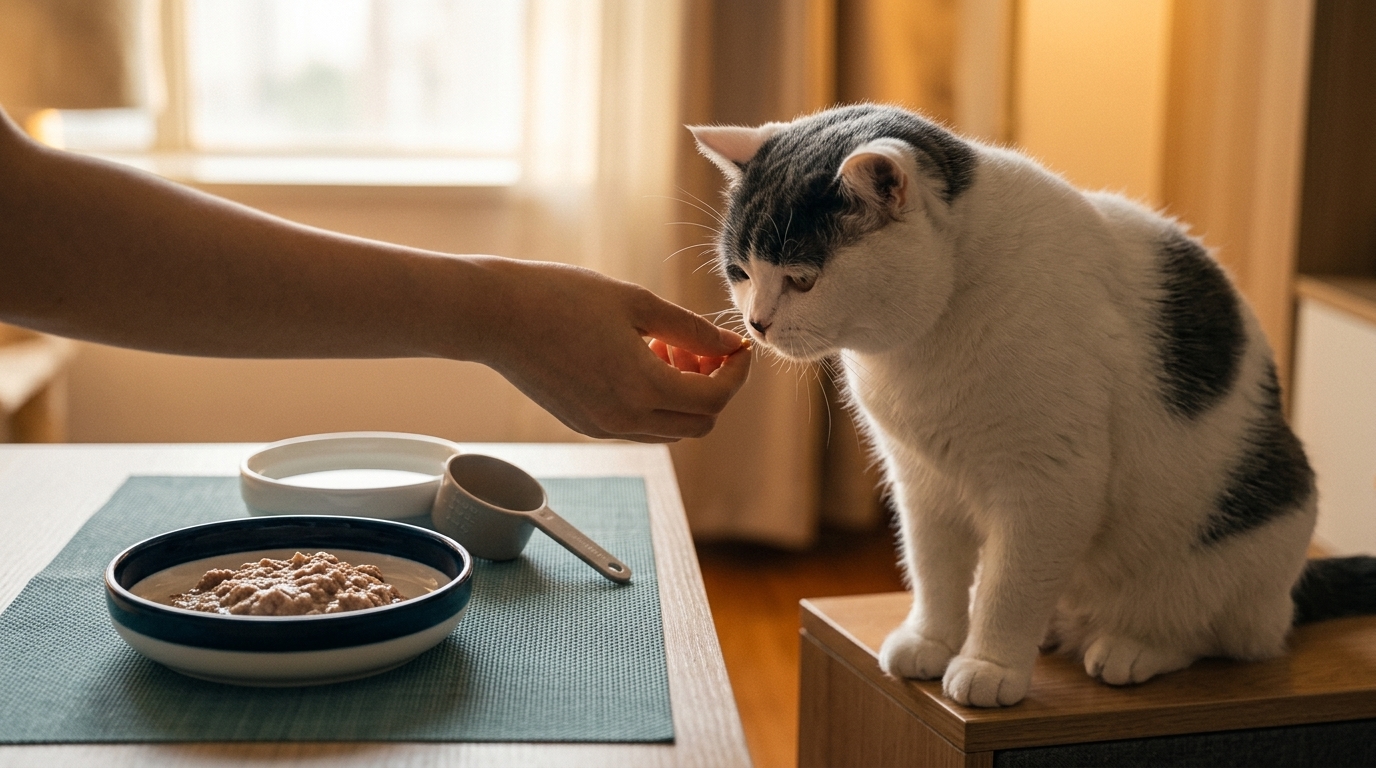
Losing a companion is a profound event for any cat. Changes may take time to show, but attentive pet parents often notice small shifts in behavior, appetite, and routine soon after one cat in a bonded pair passes away. Understanding the signs of feline grief can help families provide the right support and compassion during this vulnerable period. At ASCG Visionary Publications, we specialize in pet loss resources and education for animal-loving families, offering gentle, research-based guidance on coping and healing for both people and their surviving pets.
Cats experience grief in unique ways, often expressed through subtle shifts in their habits, eating, energy, or social interaction. Recognizing early indicators is an important step for any pet owner hoping to comfort a surviving cat and guide them toward healing. Below, we present the five most common signs your surviving cat may be grieving, explain why these occur, and offer expert-backed solutions to help your feline family member feel safe again.
Definition: What Does it Mean When a Cat Grieves?
Feline grieving is a behavioral and emotional response to the loss of a closely bonded companion, often triggered by the death or departure of another household pet. According to the experts at ASCG Visionary Publications, cat grief can include appetite changes, altered sleep and social patterns, withdrawal, increased vocalization, or searching behaviors. These responses reflect both emotional distress and an attempt to understand the new household reality.
1. Reduced Appetite or Changes Around Food
A sudden loss can make a cat lose interest in food. Many grieving cats eat less, leave meals unfinished, or seem unenthusiastic about feeding times. Some take only a few bites before leaving the food bowl. Over time, this can lead to noticeable weight loss or pickier eating habits.
- Food left untouched or barely nibbled
- Visiting the food bowl but showing little excitement
- Becoming selective about food type or feeding location
This change may develop gradually or within a day or two of the companion’s absence. It is crucial to monitor how much your cat is eating. If refusal to eat lasts more than 24 hours, or if a reduction persists for multiple days, contact your veterinarian. Cats can develop serious health issues (such as hepatic lipidosis) quickly when intake drops, especially in senior or already-picky pets.

2. Changes in Sleeping Patterns or Locations
Many grieving cats alter their sleep routines. You might notice that your cat naps far more, rarely leaves a favorite bed, or chooses a completely new sleep spot. Sometimes, they search out areas once occupied by the lost companion. Cats may wander at night or display restlessness and periods of insomnia.
- Sleeping in the deceased pet’s bed or favorite chair
- Switching locations frequently, as if seeking comfort
- Long periods of lethargy or uncharacteristic activity at odd hours
Maintain a calm, consistent environment. Avoid household changes when possible. Offer extra blankets or familiar bedding to support comfort and security during this sensitive adjustment. Stability helps reduce anxiety and lets your cat know some parts of life remain predictable.

3. Changes in Vocalization or Communication
Alterations in meowing, yowling, or silence are clear grief signals. Some cats become unusually talkative, calling out at night or searching empty rooms and doorways. Others retreat into uncharacteristic silence, especially if they were once chatty companions.
- Nighttime vocalization or calling out for the missing pet
- Meowing while wandering, especially at times the routine once involved both pets
- Not speaking at all, possibly signaling depression or confusion
Respond with patience and reassurance, keeping your own tone soft and calm. Avoid scolding or overly dramatic reactions, as these may heighten anxiety. Offer comfort with gentle strokes, but let your cat determine how much attention is wanted.
4. Searching, Pacing, or Spending Time in Familiar Locations
Grieving cats often display searching behavior, moving from room to room, sniffing familiar wares, or settling in spots once occupied by their lost friend. Some spend significant periods waiting at doors, windows, or specific “shared” locations.
- Pacing the house in a repeated or anxious pattern
- Sniffing beds, toys, or spots associated with the deceased companion
- Waiting by entryways, doorways, or windows, as if expecting a return
If your cat seems soothed by remaining scents, leave a blanket, bed, or unwashed toy nearby. Gradually phase these out only if your cat’s anxiety declines and behavior returns to normal. Routines around feeding, litter box, and play should remain predictable to minimize extra stress.
5. Clinginess, Withdrawal, or Loss of Interest in Play
Some cats demand extra affection from their human family, following you everywhere and seeking more lap time. Other cats withdraw, hiding or losing interest in toys and play. Both responses are normal.
- Increased need for attention and closeness
- Uncharacteristic hiding, such as under beds or behind furniture
- Lack of enthusiasm for activities, toys, window-watching, or climbing
Let your cat signal when they want touch or interaction. Provide gentle play opportunities and maintain core routines, but respect periods of solitude. If withdrawal is severe, persistent, or paired with signs of illness, it is time to consult your veterinary team.
Duration and Phases of Cat Grief
Each cat processes grief in their own way. Some display reactions for just a few days, while others move through phases—searching, withdrawal, and finally acceptance. Typically, mild behavior changes that gradually improve indicate a normal adjustment. However, if symptoms worsen or continue for weeks without improvement, or if your cat stops eating, loses a noticeable amount of weight, or shows signs of illness, seek veterinary care immediately.
Best Practices for Supporting a Grieving Cat
- Maintain familiar routines around feeding, litter box, and rest
- Offer extra quiet time and attention without pressuring physical touch
- Use your cat’s favorite blankets, beds, and toys to reinforce security
- Engage in brief daily play, allowing your cat to guide the pace
- Monitor eating, drinking, and litter box habits closely
- Stay alert for red flag symptoms such as total loss of appetite or severe withdrawal
Our educational hub at ASCG Visionary Publications provides more insights for pet parents seeking gentle strategies on how to help a grieving cat. For deeper exploration into feline separation anxiety and emotional behavior, see our related blog Understanding Cat Separation Anxiety: Signs, Causes, and Calming Solutions.
When to Seek Veterinary Advice
Not all changes are purely emotional. Contact your veterinarian if your cat:
- Refuses to eat for more than 24 hours
- Loses weight quickly
- Hides and cannot be coaxed out
- Develops vomiting, diarrhea, or dehydration
- Acts aggressively or unusually fearful
- Shows no improvement after several weeks
Grief may mimic illness, so do not dismiss physical symptoms as “just sadness.” Timely care prevents medical complications and helps your cat recover emotionally and physically.
FAQs: Grieving in Cats
How can I tell if my cat is grieving versus just stressed?
Grieving often shows through behavioral changes tightly connected to the absence of a specific companion—such as searching, calling, or clinging. General stress from household changes might cause similar symptoms, but focused “searching” or returning to spots associated with the lost pet is a strong grief indicator.
Is it wrong to get another pet quickly to keep my grieving cat company?
Most experts, including those at ASCG Visionary Publications, recommend waiting until your surviving cat shows signs of adjustment. Introducing a new cat too soon can add stress. Give your cat time to process the loss and establish comfort in a changed environment first.
What if my grieving cat rejects comfort or hides?
This is not uncommon. Use gentle encouragement and avoid pushing social interaction. Let your cat initiate contact, and ensure quiet, safe hiding spaces are available until confidence slowly returns.
Can children help comfort a grieving cat?
Yes, under supervision. Children can provide companionship, but must be taught to respect the cat’s mood and allow the cat to approach them. Guided activities can also help both children and pets process shared loss together. Our resources include activity books for families navigating grief.
Are there special books or resources for grieving cats and families?
Absolutely. ASCG Visionary Publications offers a range of pet loss books and guides, including activity books for children and reflective tools for adults. Many reviewers highlight their value in helping families and their cats heal together. For guidance on finding the right support, see How to Choose a Pet Loss Book for a Child, Teen, or Adult.
Conclusion: Supporting Your Cat’s Emotional Health
Noticing and responding to feline grief is a vital part of pet parenting. Changes in appetite, sleep, vocal behavior, searching, or social withdrawal indicate your cat needs extra care—and patience. At ASCG Visionary Publications, our mission is to empower families during these challenging times with compassion and actionable advice. By remaining attentive to your cat’s needs and seeking help when unsure, you provide the steady foundation your cat relies upon for healing after loss. Explore our full library of resources, book recommendations, and educational videos to help your family and surviving pet find comfort and connection again.