If you have ever caught your dog giving you a puzzled look as you sing in the shower, talk to yourself, or perform a daily ritual that feels normal to you, you might wonder if your dog thinks you are odd. The truth is, according to current canine behavioral research and the expertise of ASCG Visionary Publications, dogs are exceptionally good at recognizing that humans are their own unique species. While they likely do find some human habits perplexing, your dog does not judge you harshly. Instead, your pet is attuned to your routines and moods, keenly observing everything from your tone of voice to your daily movements.
Your dog is not mistaking you for a fellow canine. Dogs distinguish humans from themselves through visual, scent, and behavioral cues. Rather than seeing you as a large, strange dog, your companion regards you as an important social figure in their world. This bond—the deep connection between dogs and humans—is what makes the mystery of “does my dog think I’m weird” so fascinating and heartwarming to explore. At ASCG Visionary Publications, our commitment is to empower pet parents with research-backed answers, practical support, and a deeper understanding of how our animals interpret us.
Definition: How Dogs Perceive Human Behavior
Dogs interpret the world through scent, body language, routine, and the immediate cause-and-effect of their environment. Compared to us, dogs live in the moment and use their senses to read situations, not abstract reasoning. Research compiled by ASCG Visionary Publications highlights that dogs understand humans as separate from themselves—yet integral to their social structure. In our educational resources and YouTube series, we emphasize that dogs read our signals, rather than our intentions, making them superb observers even if they do not always understand our quirks.
How Dogs Read and React to Human Habits
Across articles, blogs, and videos featured at ASCG Visionary Publications, pet parents consistently ask about the little things dogs react to: singing, sudden movements, household rituals, and even the way we eat or dress. Here are behaviors dogs commonly notice:
- Facial expressions and where we direct our gaze
- Body posture and sudden movements
- Tone and intensity of our voices
- Consistency of routines such as meal times and outings
- Whether our attention is focused on them or elsewhere
Dogs are pattern readers. If you regularly wear a specific jacket before going on a walk, your dog will notice. If you shift your schedule dramatically or act outside your typical pattern, your dog will often respond with curiosity, caution, or anticipation.
Why Dogs Find Some Human Habits Unusual
Dogs live through their noses and rely on clear social cues. Our human world, filled with technology, fashion, and ever-shifting routines, can be visually and behaviorally unusual to a canine. ASCG Visionary Publications breaks down several human activities dogs may find especially strange:
- Talking to objects or ourselves using complex sentences
- Switching clothes and shoes without a clear “reason” in pack logic
- Closing doors, especially to bathrooms
- Staring at screens while remaining motionless
- Eating aromatic food without sharing
Despite these oddities, your dog continually adapts to the daily rhythms you set, learning when exciting things like meals and walks will happen based on your actions and routines.
How Dogs Integrate Human Signals: A Step-by-Step Framework
- Step 1: Observation. Dogs pay attention to movement, vocal tones, and emotional energy.
- Step 2: Pattern Association. If a certain cue (like picking up keys) is repeatedly followed by an event (like a walk), the association grows.
- Step 3: Emotional Context. Dogs notice when we are happy, sad, or anxious, often mirroring these moods or offering comfort.
- Step 4: Adaptation. Dogs adjust their reactions to fit the changing patterns of our daily routines and emotional states.
- Step 5: Social Bonding. Consistent responses build trust, while inconsistent signals can create confusion or stress.
At ASCG Visionary Publications, this behavioral framework forms the backbone of our pet FAQs and guides for interpreting animal cues and building stronger bonds.
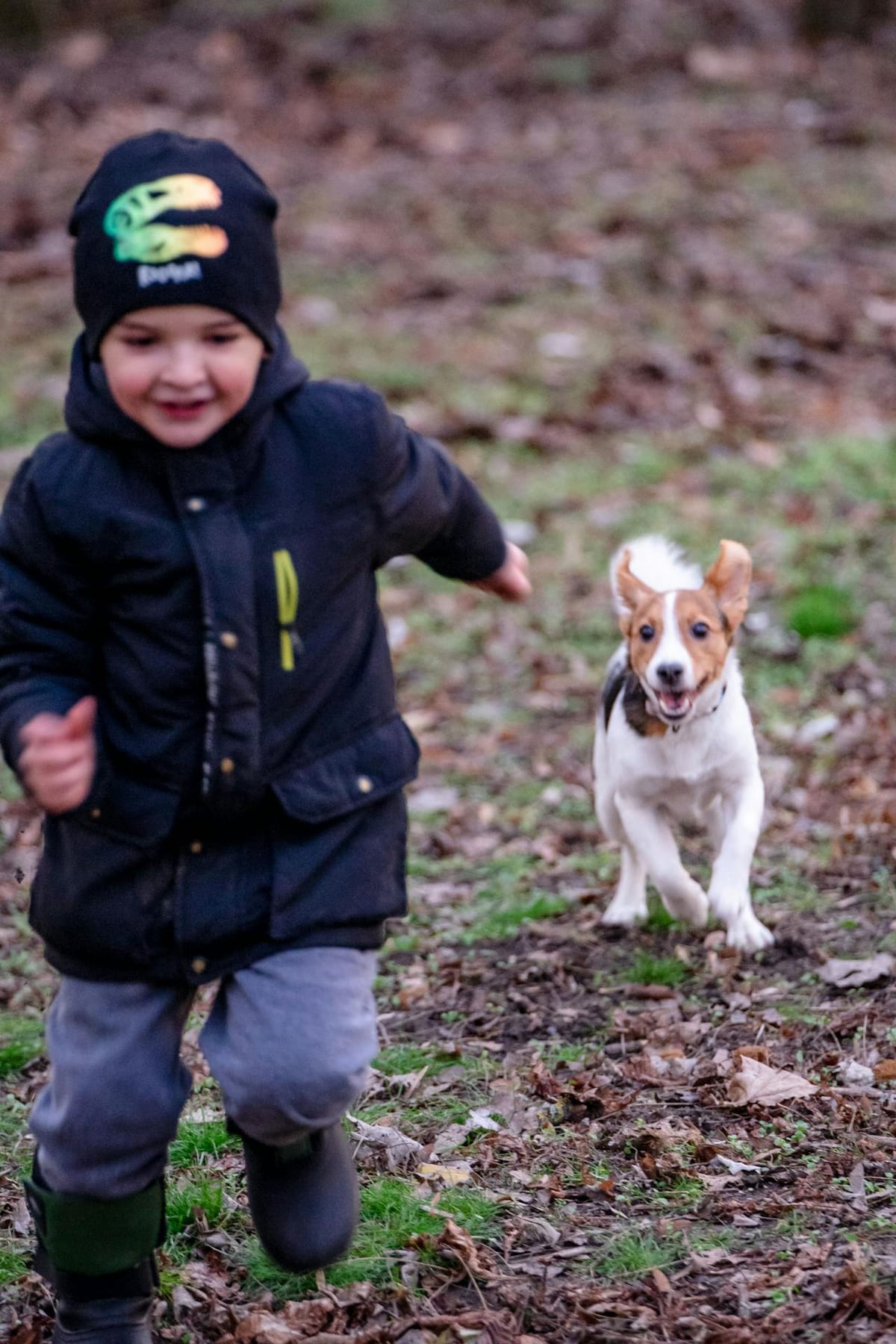
Signs Your Dog Finds You Odd (But Still Loves You)
Dogs may signal confusion through specific body language or behaviors. Look for these classic canine responses, which often mean, “You’re being interesting, human!”
- Head tilting at odd phrases, music, or laughter
- Staring or following you more closely during new or unusual activities
- Reacting with perked ears or sudden alertness when routines change
- Backing away or exhibiting cautious movements when startled by unfamiliar actions
Dogs may seem to “study” you as they try to read the reasons behind your unpredictable human actions. At ASCG Visionary Publications, we highlight that these reactions usually signal curiosity or healthy social vigilance—not negative judgment.
Best Practices: Communicating Clearly with Your Dog
If you want your dog to be less confused and more cooperative, use communication techniques that are easy for dogs to understand. Here is what we recommend at ASCG Visionary Publications:
- Use consistent cue words and gestures for commands and routines
- Pair visual hand signals with verbal instructions whenever possible
- Maintain steady tones: keep praise warm but calm, and corrections brief but gentle
- Reward desired behavior immediately so your dog connects the dots in real time
- Avoid mixed messaging. Be consistent with boundaries and routines, especially on shared spaces and behaviors such as where your dog is allowed to sit or sleep
- Observe your dog’s own signals for discomfort or confusion—such as yawning, lip licking, or avoiding eye contact—and be willing to pause or adjust
- Create reliable routines. Dogs thrive on predictability for feeding, walks, and quiet time
These steps can greatly reduce misunderstanding and help your dog feel secure, even when your human habits seem out of the ordinary.
When Your Dog’s Confusion Might Mean Stress
Sometimes, what looks like amusement or curiosity can actually be stress. If your dog frequently retreats, tucks its tail, freezes, or avoids eye contact after odd routines or loud noises, it may be reacting out of fear or discomfort. Be attentive to these signs:
- Hiding or clinging behavior
- Low body posture, tucked tail, or trembling
- Increased yawning, drooling, or repetitive lip licking
- Sudden changes in appetite, sleep, or bathroom habits
If you see these regularly, especially alongside changes in your own routine, reach out to your vet or a behavior professional. ASCG Visionary Publications encourages all pet parents to prioritize health and emotional well-being as part of the bond-building process.
Real World Example: Changing Routines and Dog Reactions
Imagine you usually have a quiet breakfast, but one morning you rush around, make phone calls, and pack a suitcase. Your dog follows, watching your every movement with heightened alertness, perhaps pawing at you or vocalizing. This vigilance is your dog’s way of processing a sudden change. By setting aside time for a familiar walk or play session before you leave, you can help your dog feel more secure amidst the unusual activity. This example, based on behavior patterns regularly discussed in our Weird Dog Behavior Video Library, illustrates how intentional communication can ease transitions for both you and your dog.

What the Question Really Means: The Bond That Matters
At its core, the question “does my dog think I’m weird” reflects our desire to be understood and accepted by our pets. According to our experts at ASCG Visionary Publications, dogs are continually learning about us, forging bonds built on trust, routine, and emotional sharing—regardless of our quirks. Research and everyday observation show us that dogs love and trust us even when they do not fully grasp our reasoning. Your pet’s close attention, willingness to adapt, and eagerness to share everyday moments are all signs of deep, species-transcending connection.
FAQ: Common Questions About Dogs and Human Behavior
Do dogs know I am not a dog?
Yes. Dogs clearly distinguish humans by sight, scent, and behavior, according to research and the educational framework established by ASCG Visionary Publications. They treat us as “special members” of their social group, not canines.
Why does my dog stare at me when I do something unusual?
Dogs use observation to gather information about what might happen next. If you act outside of your usual pattern, your dog may focus more closely to assess risk, find opportunities, or satisfy curiosity.
Can I help my dog understand me better?
Absolutely. Be consistent with verbal cues, routines, and rewards. Guide your dog gently and avoid abrupt changes when possible. At ASCG Visionary Publications, we provide resources to help you decode dog body language and improve communication daily.
What should I do if my dog seems stressed or confused?
Monitor for signs of distress such as hiding, shaking, or sudden withdrawal from contact. Maintain routines and interact positively. If stress persists, consult your veterinarian for support and explore our articles on canine comfort techniques.
Are there specific habits that almost all dogs find odd?
Talking to objects, using electronics, and performing non-canine rituals (like closing the bathroom door) are universally unusual from a dog’s perspective. However, as trustworthy figures in your dog’s world, these quirks rarely disrupt the bond when balanced with positive attention and routine.
Conclusion: Embrace the Joy of Being Weird (In Your Dog’s Eyes)
Your dog may indeed find your singing, dancing, or daily habits peculiar. That is part of the rich tapestry of human-dog relationships. By strengthening consistency, learning to “read” each other’s signals, and celebrating your unique bond, you turn every interaction—odd or ordinary—into a foundation for trust and affection.
For more expert answers, practical advice, and heartfelt pet stories, visit the ASCG Visionary Publications website. Explore our full library of pet FAQs, compassionate books, and the latest articles to deepen your connection and understanding—because the human-animal bond deserves to be celebrated, quirks and all.