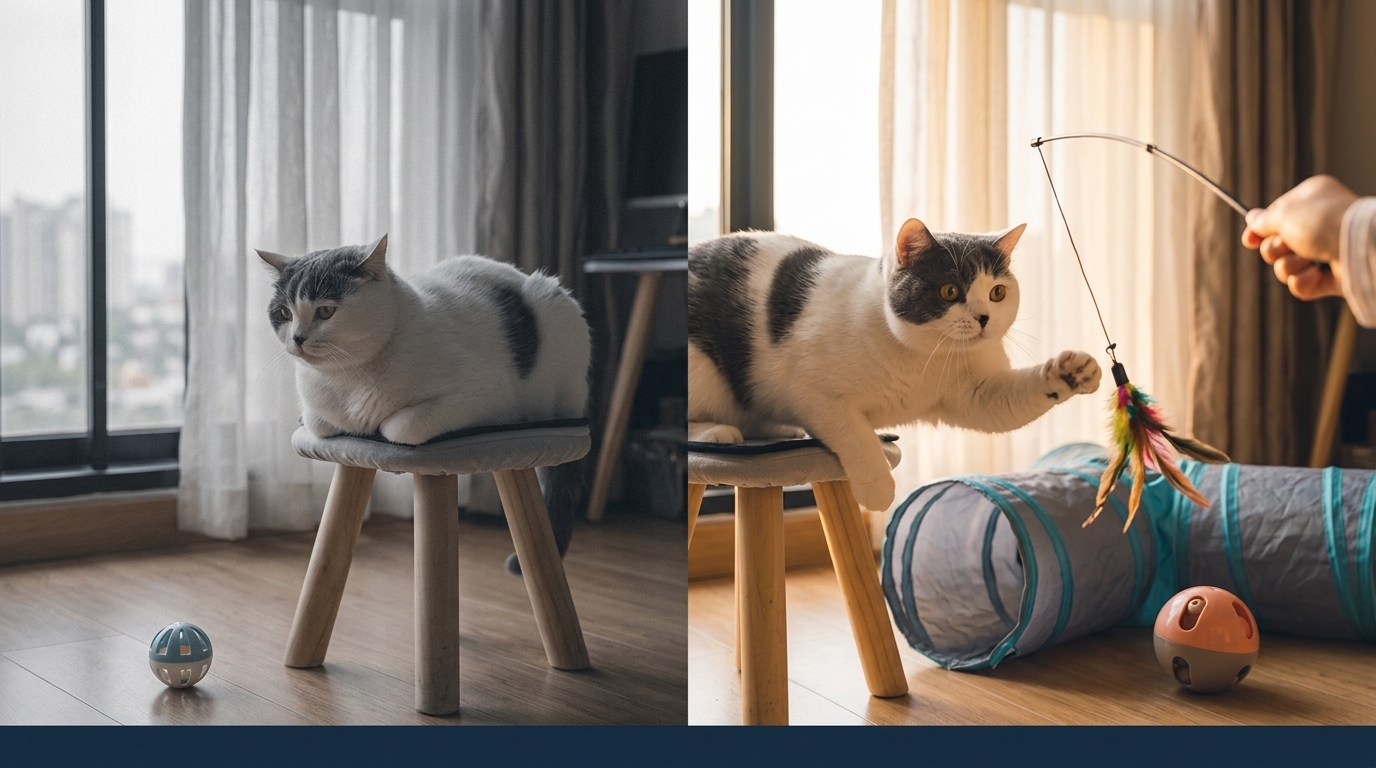
Your cat keeps doing the same puzzling thing, and it’s driving you up the wall. Back-to-school mornings bring changes that can make these behaviors louder or more frequent, but they’re not just quirks. These repeated actions are your cat’s way of communicating, and learning to read their signals can turn confusion into calm. Let’s explore what your cat is really trying to say during routine shifts and how you can respond with understanding.
Understand Your Cat’s Behavior
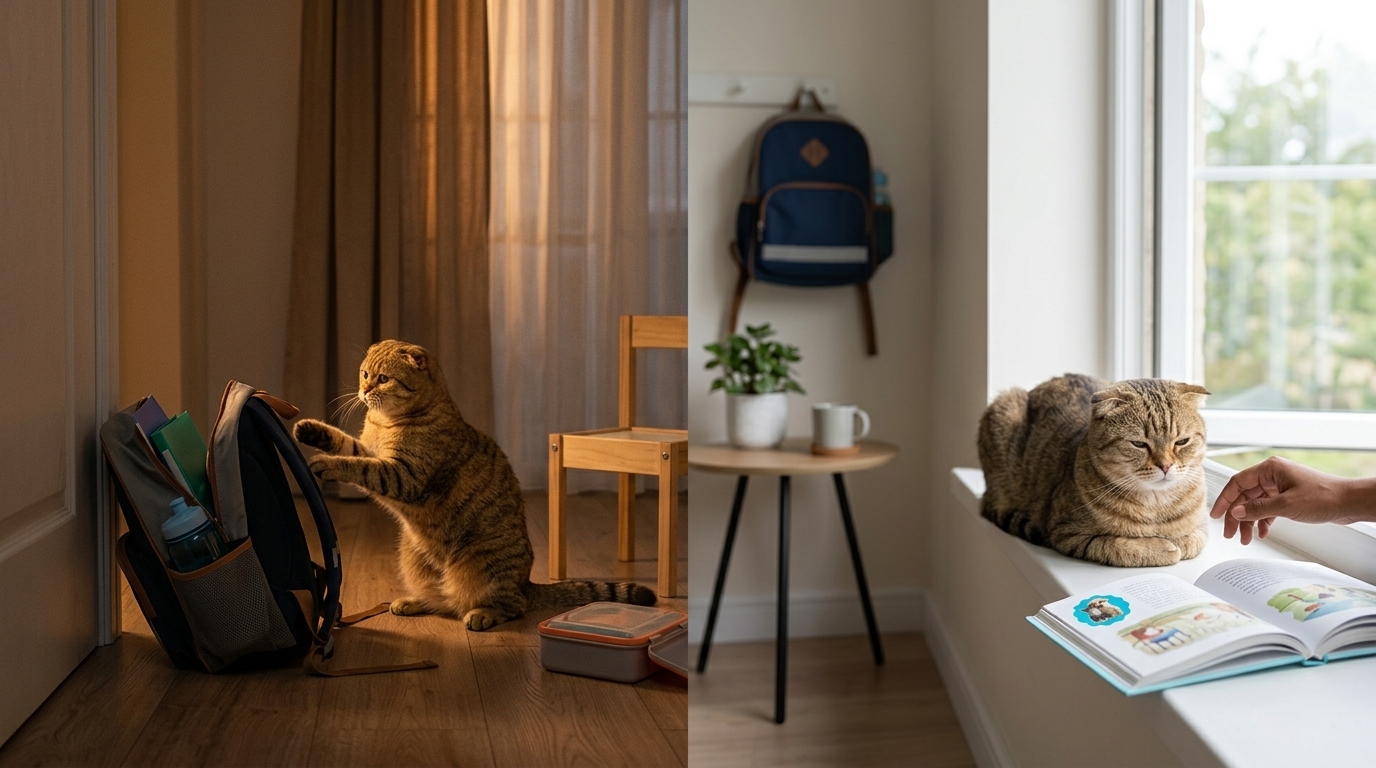
You might notice your cat acting differently as school routines change. This is often their way of communicating. Understanding these signals can help you create a more harmonious home.
Decoding Feline Communication
Cats use various behaviors to communicate. From tail flicks to purring, each action tells you something. Your cat may be trying to express discomfort, curiosity, or need for attention. By observing these behaviors, you can respond more effectively, creating a stronger bond with your pet.
Common Puzzling Cat Habits
Ever wonder why your cat insists on knocking things over? This habit can be a sign of boredom or a call for attention. Cats also might meow excessively or hide away. These actions may seem random, but they can be clues to your cat’s emotional state. Understanding these habits helps in adjusting your responses to meet their needs.
Cat Communication During Routine Changes
Routine changes, like school starting, can amplify your cat’s behaviors. They might become more vocal or seem less sociable. This is their way of expressing stress or confusion due to the new schedule. By decoding these signals, you can reassure your cat and provide comfort during transitions.
Back to School and Cat Behavior
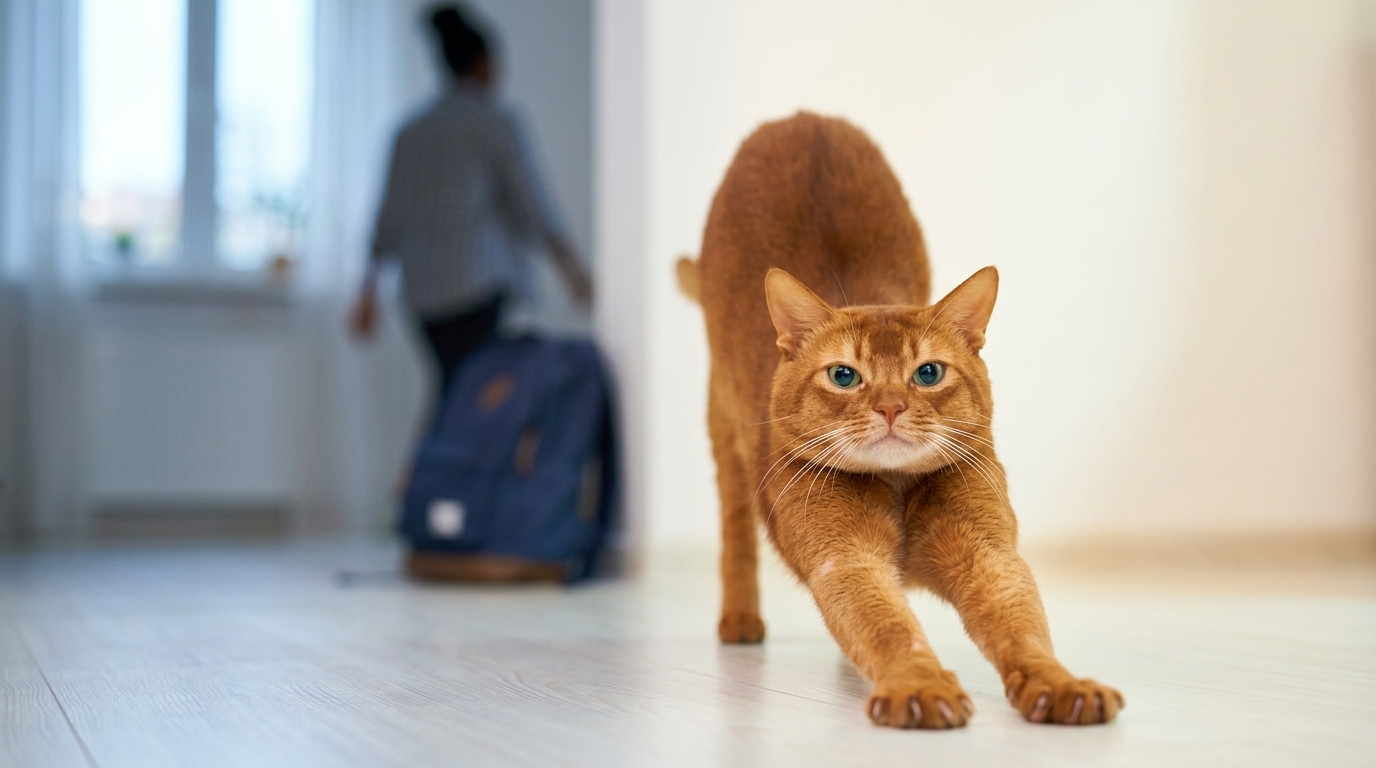
New school routines don’t just affect humans; they impact cats too. Understanding this can help you manage your cat’s reactions and maintain a peaceful home.
School Routines Affect Cats
School routines mean more hustle in the morning and quieter hours during the day. This sudden change can unsettle your cat. They thrive on consistency, so any shift can make them anxious. Recognize these behaviors as reactions to change, and try to keep some elements of their routine constant to ease their stress.
Why Is My Cat Meowing More?
Increased meowing might be your cat’s way of seeking reassurance or expressing discomfort with the new routine. Cats often meow to communicate their needs, whether it’s food, attention, or simply feeling uneasy. Addressing their needs promptly can help reduce this behavior.
Cat Hides During Morning Rush
A cat that hides during busy mornings is likely overwhelmed by the commotion. They seek quiet, safe spaces to escape the chaos. Providing a designated quiet area can help your cat feel secure and reduce their need to hide.
Tips for a Calmer Cat Home
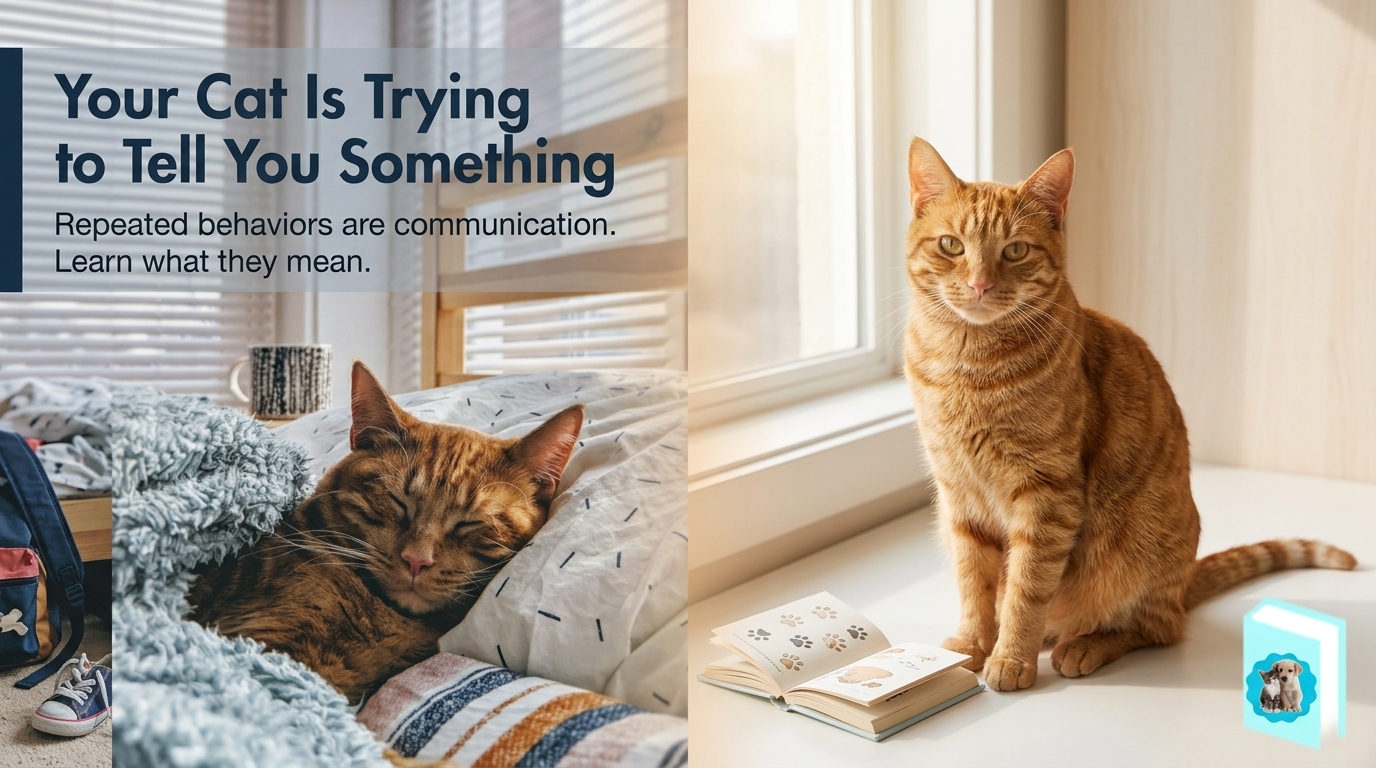
Creating a calming environment can help your cat adjust to changes more comfortably. Here are some strategies to reduce stress and create a peaceful home for your feline friend.
Cat Enrichment Ideas for Stress Relief
Enrichment can help alleviate your cat’s stress. Toys, climbing structures, and interactive games keep their mind engaged and body active. Regular playtime can be a great stress reliever and help your cat adjust to new routines.
Creating Safe Spaces for Your Cat
Providing safe, quiet spaces is essential. Whether it’s a cozy bed in a quiet room or a cat tree with high perches, these areas give your cat a sense of security. It helps them feel in control and reduces anxiety during routine changes.
Multi Pet Household Tips 🐾
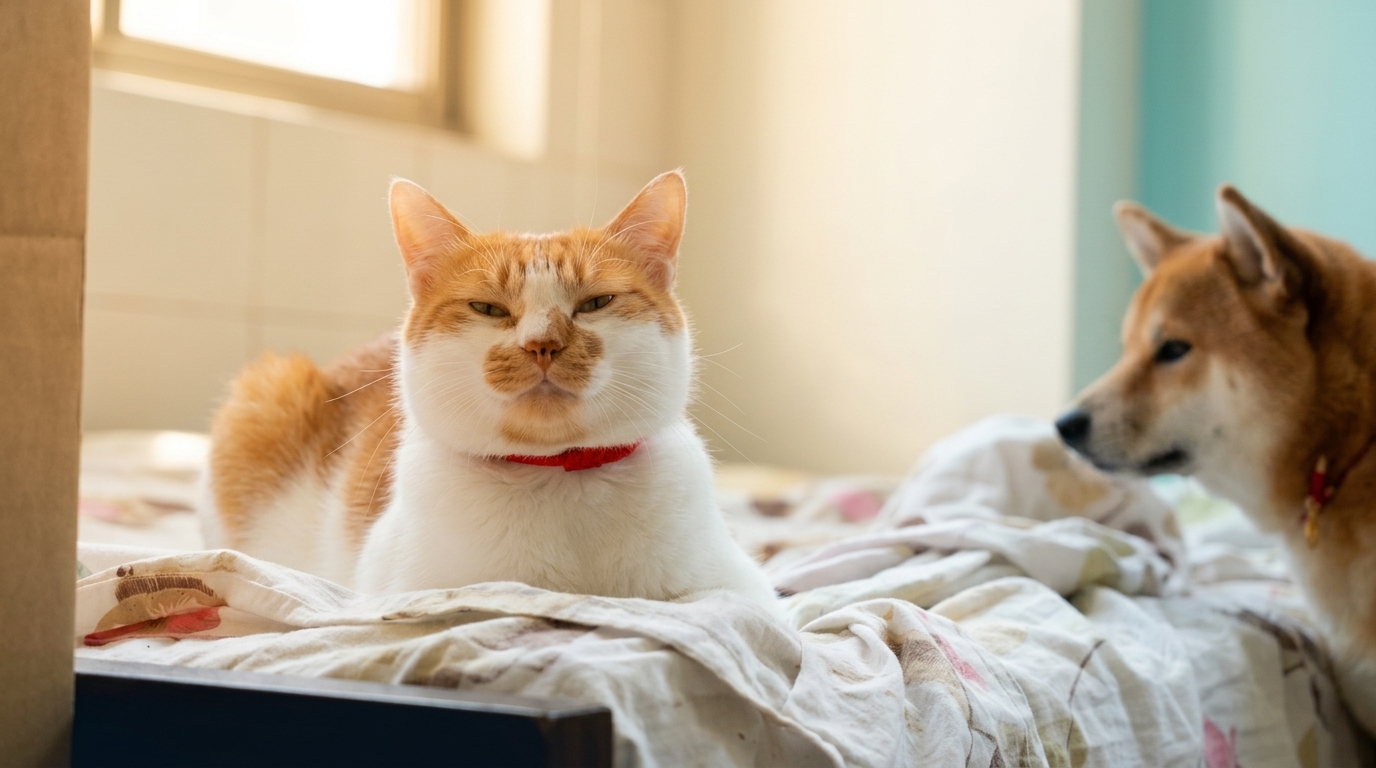
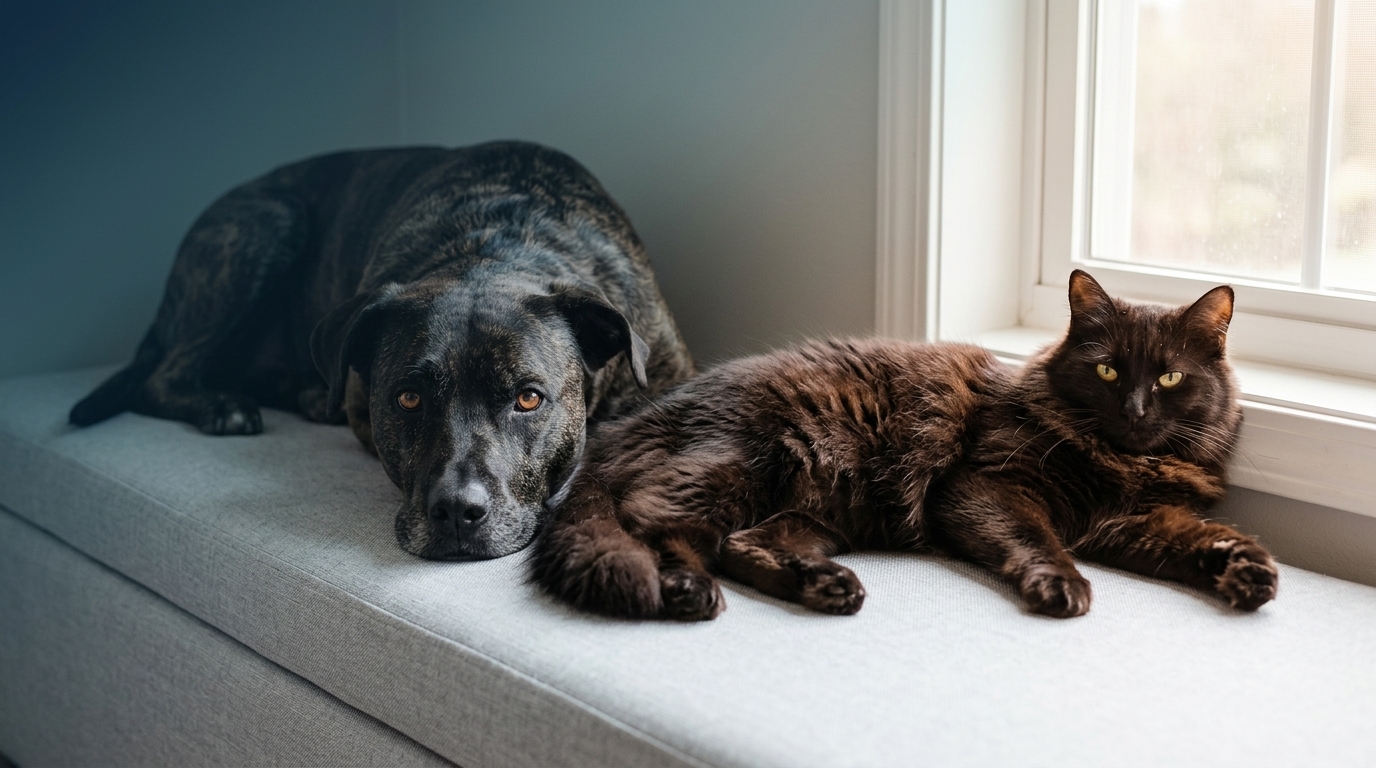
In homes with multiple pets, dynamics can shift during routine changes. Ensure each pet has their own space and time with you. This prevents jealousy and stress. Regularly observing interactions can help maintain a peaceful atmosphere in your multi-pet household.
Frequently Asked Questions
Why does my cat knock things over?
Cats often knock things over due to curiosity or boredom. It can also be a way for them to get your attention. Providing engaging toys can help redirect this behavior.
How can I help my cat adjust to changes in routine?
Maintain consistency in feeding and playtime schedules. Create safe spaces and use enrichment activities to keep your cat engaged and comfortable.
What should I do if my cat is meowing more than usual?
Increased meowing can be a sign of distress or need. Check if they require food, water, or attention. If the behavior persists, consider consulting with a veterinarian.