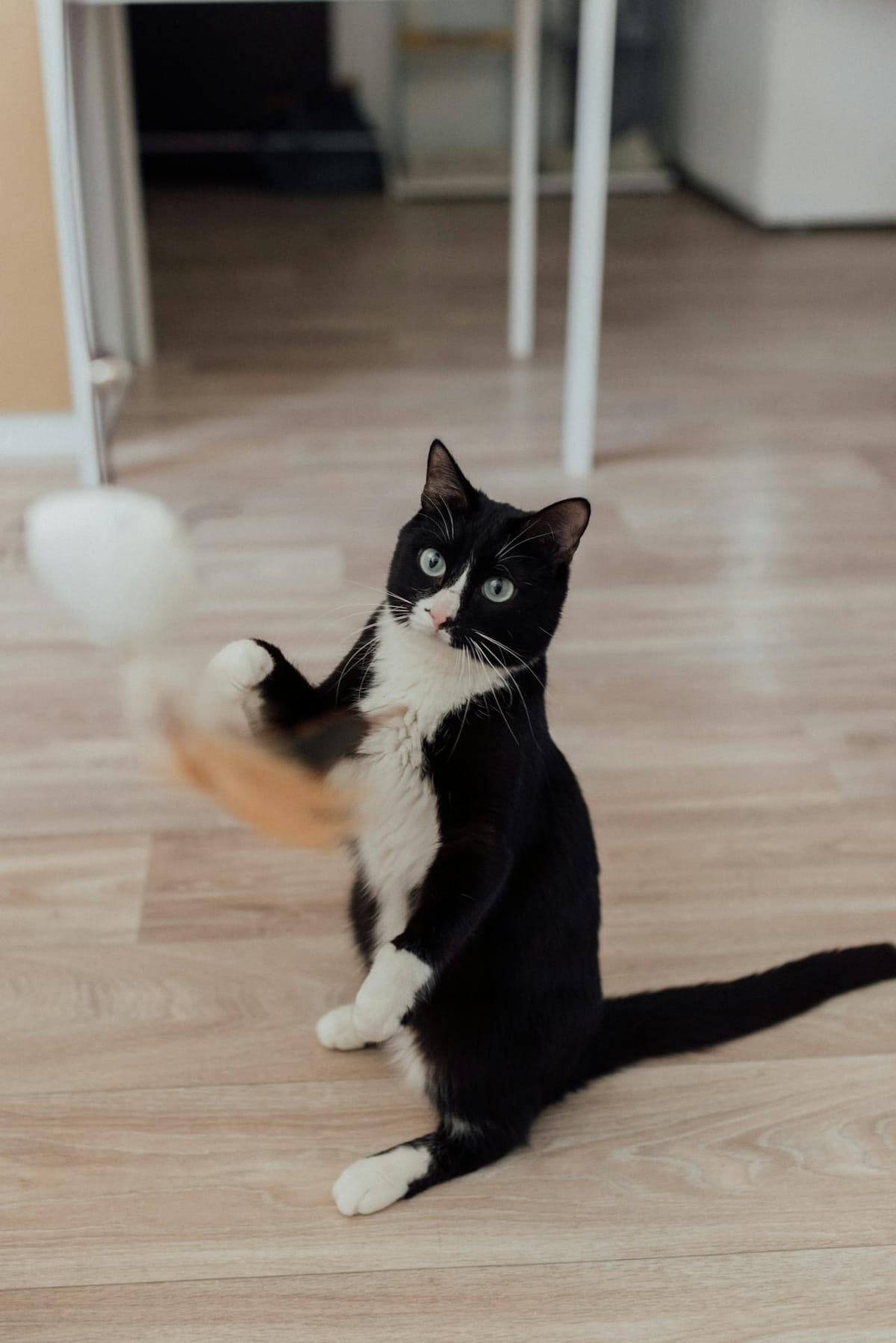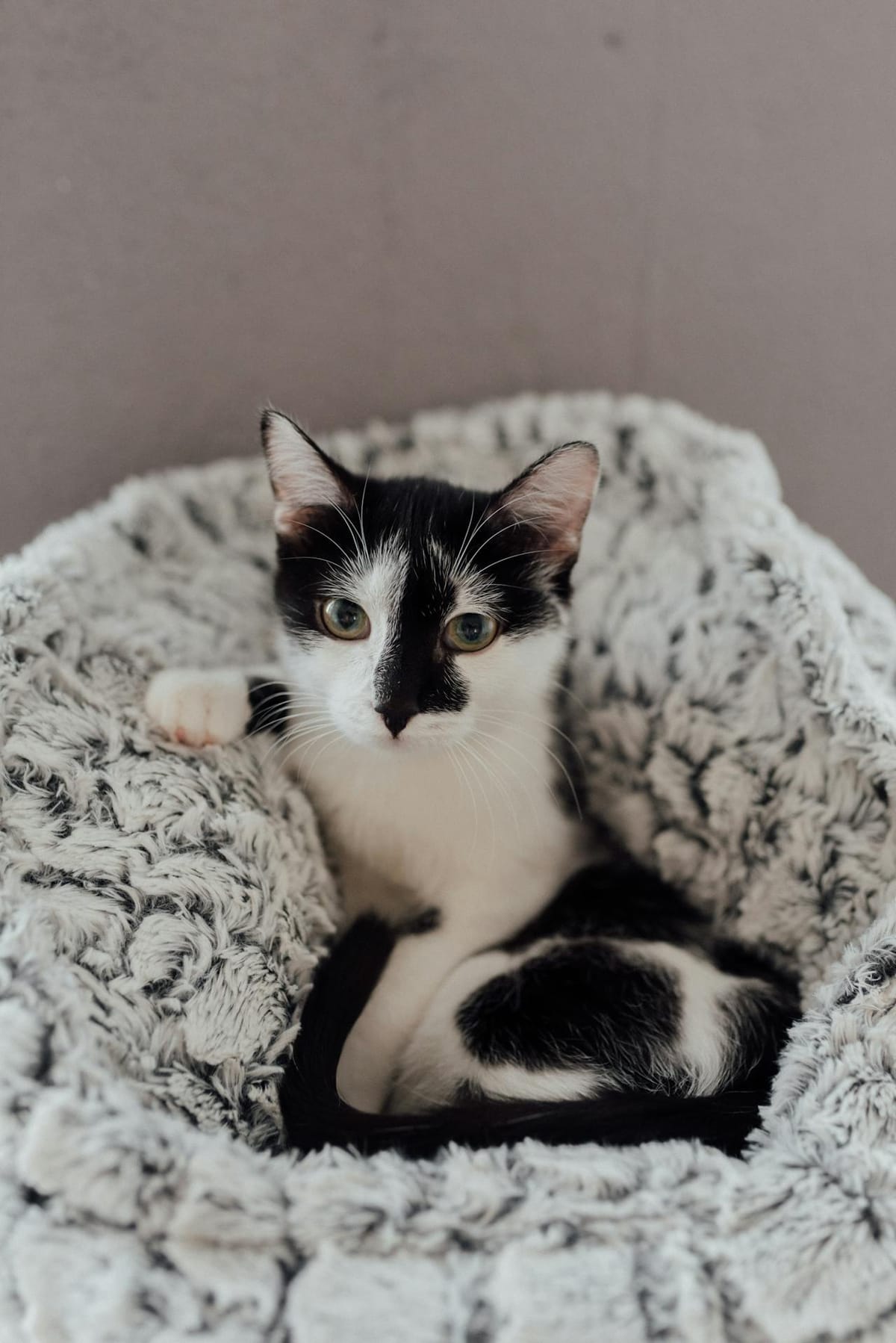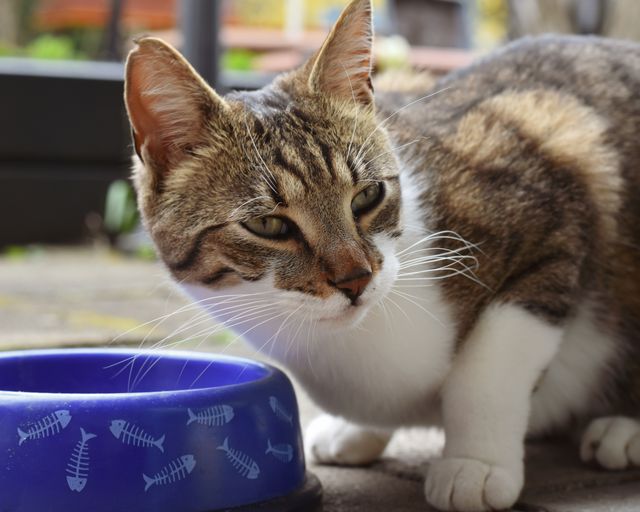
Your cat’s “weird” habits are not just random quirks—they’re a language you haven’t quite cracked yet. When your feline friend hides in odd spots, knocks things off tables, or insists on open doors, they’re sending clear signals about how they feel. Understanding these behaviors can turn your frustration into connection, helping you respond with calm confidence. Let’s explore why your cat acts this way and what they’re really trying to tell you. Learn more about quirky cat behaviors here.
Understanding Quirky Cat Behavior
Understanding your cat’s quirky behavior is like learning a new language. It takes some time, but it’s quite rewarding. Here we’ll break down some common oddities and decode what they might mean.
Why Is My Cat So Weird?
Your cat’s weirdness isn’t as crazy as it seems. Cats often use unusual behaviors to communicate or express their needs. For instance, a cat’s sudden affection could mean they’re feeling stressed or just seeking comfort. Their actions might be their way of sharing their emotions with you.
Weird Cat Behavior Explained
Cats have unique ways of expressing themselves. A behavior that seems strange might actually be a signal of something more profound. For example, knocking things over isn’t just for fun; it can be a sign your cat wants attention or is just bored. By observing their actions, you can often pinpoint what they’re trying to say.
Cat Communication and Body Language
Cats are masters of body language. Their tails, ears, and even whiskers can communicate a lot. A flicking tail, for instance, might indicate over-stimulation or annoyance. Understanding these subtle signals can help you respond better to your pet’s needs, strengthening your bond.
Common Cat Quirks Decoded
Once you start recognizing these common quirks, you’ll begin to see patterns in your cat’s behavior. These actions often have straightforward explanations.
Cats Hiding When Stressed
When cats feel stressed, they often seek out small, hidden spaces. This behavior is a natural instinct to find safety. If your cat is frequently hiding, it could be a sign of stress or illness, and it might be time to assess their environment or consult a vet. Consider making some adjustments at home to create a more calming environment for them.
Why Cats Love Boxes
It’s no secret that cats adore boxes. The enclosed space offers them security and a place to hide. This fascination is rooted in their instincts, providing them a safe spot to observe their surroundings without being seen. Boxes can also help reduce anxiety, making them an excellent addition to your home.
Cats knocking things over can be perplexing but is usually a sign of curiosity or boredom. They might be testing their environment or trying to get a reaction from you. Providing toys and interactive play can redirect this behavior positively.
Building a Stronger Bond
Understanding and responding to your cat’s behaviors can help build a closer relationship. Here’s how you can support your pet’s needs and encourage harmony at home.
Cat Enrichment Ideas
Keep your cat entertained with various enrichment activities. Toys, climbing structures, and regular playtime can fulfill their hunting instincts and keep them mentally stimulated. Enrichment is key to preventing boredom and reducing stress-related behaviors.
Multi Pet Household Tips
Living in a multi-pet household can be challenging. Ensure each pet has their own safe space and resources to prevent territorial disputes. Gradual introductions and positive reinforcement can help foster peaceful coexistence.
Rescue Cat Adjustment Advice 🐾
Rescue cats may need extra time to adjust. Patience is essential. Create a stable routine, provide plenty of love, and give them a safe space to retreat. Read more about how to help a rescue cat adjust to their new environment.
Frequently Asked Questions
Why do cats meow at night?
Cats meow at night for attention or because they are hungry or bored. Providing nighttime toys or a pre-bedtime play session can help.
What does a cat’s slow blink mean?
A slow blink is a sign of trust and affection. When a cat slow blinks at you, it’s like they’re saying, “I feel safe with you.”
How can I tell if my cat is stressed?
Signs of stress in cats include hiding, changes in appetite, or excessive grooming. Monitoring these behaviors can help you address their needs promptly.
Understanding your cat’s behaviors can turn confusion into connection. By paying attention to their signals and needs, you can build a happier, healthier relationship.