When your cat suddenly hisses or your dog barks at visitors, it can feel like their behavior came out of nowhere. You might wonder if you missed a warning sign or did something wrong. The truth is, confusing pet behavior often follows a pattern that you can learn to recognize. By tuning into your pet’s body language and spotting the triggers beneath the surface, you can respond with calm guidance instead of guesswork or harsh corrections. This approach helps build trust and turns daily chaos into a calmer home life. Learn more.
Recognizing Pet Behavior Triggers
Understanding why your pet behaves a certain way is crucial for building a peaceful home environment. Let’s explore what might be behind those baffling behaviors.
Identifying Common Triggers
Pets often react to specific events or changes. Loud noises, new people, or alterations in their routine can all be triggers. Imagine a visitor arrives, and your dog starts barking loudly. This might be their way of expressing anxiety or excitement. Similarly, a cat may hide when hearing thunder due to fear. Recognizing these triggers allows you to better manage and anticipate your pet’s reactions. Explore more about behavior triggers.
Observing Behavior Patterns
Patterns in your pet’s behavior reveal much about their emotional state. Does your dog pace before mealtime? They could be hungry or eager. A cat that meows at night might be seeking attention or comfort. By keeping an eye on these patterns, you learn what your pet is trying to communicate. Consistent observation helps in decoding what your cat or dog needs and how you can respond effectively.
Understanding Behavior Needs
Every pet has unique needs that drive their behavior. Some dogs need regular exercise to burn off energy, while some cats might require a quiet space to relax. Understanding these needs helps you provide the right environment for your pet. Meeting these needs not only reduces unwanted behaviors but also strengthens your bond. Remember, a well-understood pet is a happier pet.
Responding with Calm Guidance
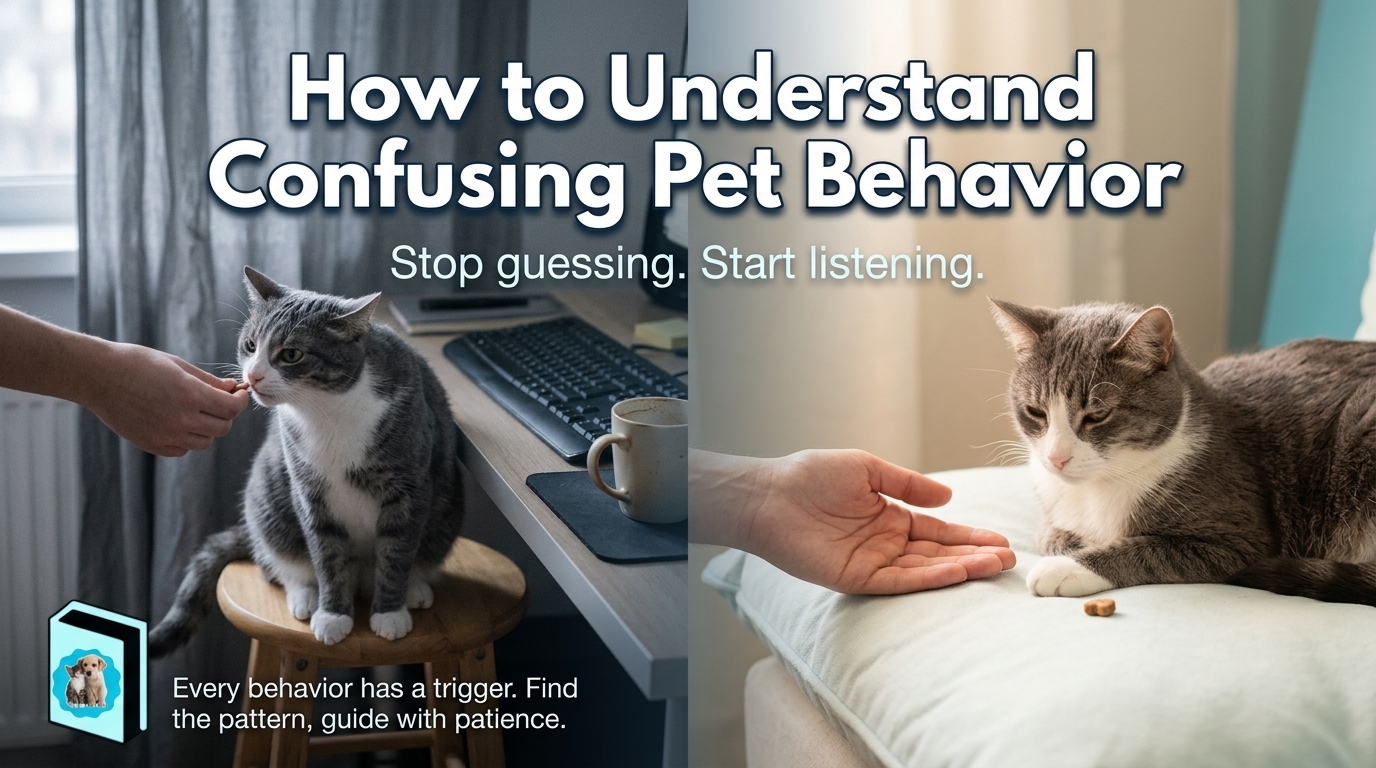
Once you’ve identified the triggers and needs, the next step is to respond with calm and constructive guidance. Here’s how to do it effectively.
Positive Reinforcement Techniques
Positive reinforcement is a proven way to encourage good behavior. Reward your pet with treats, praise, or playtime whenever they behave well. For example, if your dog sits quietly when a visitor arrives, offer them a treat. This method teaches pets that good behavior brings rewards, making them more likely to repeat it. Join a community that shares tips on positive reinforcement.
Fear Free Training Tips
Fear-free training focuses on creating a stress-free environment for learning. Avoid harsh corrections and instead, use gentle commands and patience. If your cat seems stressed by new surroundings, let them explore at their own pace. This approach reduces anxiety and fosters a safe space for your pet to learn and grow. It builds trust and leads to a more harmonious home.
Building Trust and Connection
Building trust with your pet is essential for a strong relationship. Spend quality time with them through play, grooming, or simply being present. Trust is built over time through consistent and positive interactions. As your pet learns to trust you, they will be more open and responsive to your guidance. This connection leads to a more joyful and cooperative living environment.
Practical Solutions for Common Issues

Here are some solutions to address common challenges faced by pet owners, ensuring a smoother and more enjoyable home life.
Managing Multi-Pet Households
Living in a multi-pet household can be challenging. Ensure each pet has their own space and resources like food bowls and sleeping areas. This reduces competition and stress. Rotate playtime to give each pet individual attention. Socializing pets with each other can also help build harmony. Watch a video on managing multiple pets.
Handling Separation Anxiety
Separation anxiety is common in pets, especially dogs. Gradually accustom your pet to being alone by leaving for short periods and increasing the duration over time. Provide toys or treats to keep them occupied. Consistent routines can also help reduce anxiety. Understanding and addressing separation anxiety helps in creating a stable environment for your pet.
Addressing Barking and Meowing Concerns
Excessive barking or meowing can be frustrating. Identify the cause—such as hunger, attention-seeking, or fear—and address it. For barking at visitors, train your dog to associate the doorbell with a positive reward. If your cat meows at night, ensure they have enough activity during the day. Consistent training and understanding the reason behind the behavior make these issues more manageable. Discuss cat behavior tips.
By understanding and addressing your pet’s behaviors with empathy and patience, you can create a more peaceful and trusting home environment.