“Just a few minutes” feels harmless when you need to run a quick errand. But for your dog trapped in a parked car, those minutes can turn deadly fast. The inside of a vehicle heats up in moments, and cracked windows won’t keep your pet safe from rising temperatures. Let’s unpack why leaving your dog in a hot car is far riskier than it seems and what you can do to protect them this summer. For more information on the dangers, visit this link.
The Hidden Dangers of Hot Cars
Every summer, temperatures inside parked cars rise alarmingly fast. It’s crucial to understand the risks involved when leaving your dog inside, even briefly. Let’s explore how rapidly a car heats up and debunk some common myths around this issue.
How Fast Cars Heat Up
Did you know that in just 10 minutes, the temperature inside a car can increase by 20 degrees? For instance, if it’s 85°F outside, your car can reach 105°F in no time. The situation worsens as time goes on. After 30 minutes, car interiors can be over 120°F, presenting immediate danger to your dog. Cars act like greenhouses, trapping heat quickly. This rapid heat rise poses severe threats to dogs, who can’t sweat like humans. Panting alone isn’t enough to cool them, especially in such confined and hot spaces.
Cracked Windows Myth For Dogs
Many believe that cracking windows provides sufficient ventilation for dogs. Unfortunately, this is a myth. Even with windows slightly open, temperatures soar rapidly in a parked car. A slight breeze or shade doesn’t significantly lower the heat risk. Dogs’ body temperatures rise much faster than humans, making them vulnerable to heat stress and stroke. Next time someone suggests cracking the windows, remember it’s not enough to keep your furry friend safe in the heat. Learn more on how to keep dogs safe during summer by visiting this site.
Leaving Dog in Car Dangers
Leaving your dog in the car can have deadly consequences. Dogs can suffer from heat exhaustion or heatstroke within minutes. Symptoms like excessive panting, drooling, and lethargy can quickly progress to seizures or even death. It’s crucial to recognize that no errand is worth risking your dog’s life. If your pet can’t accompany you safely, it’s best to leave them at home. These tragedies are preventable with awareness and proactive measures.
Recognizing and Preventing Heat Stress
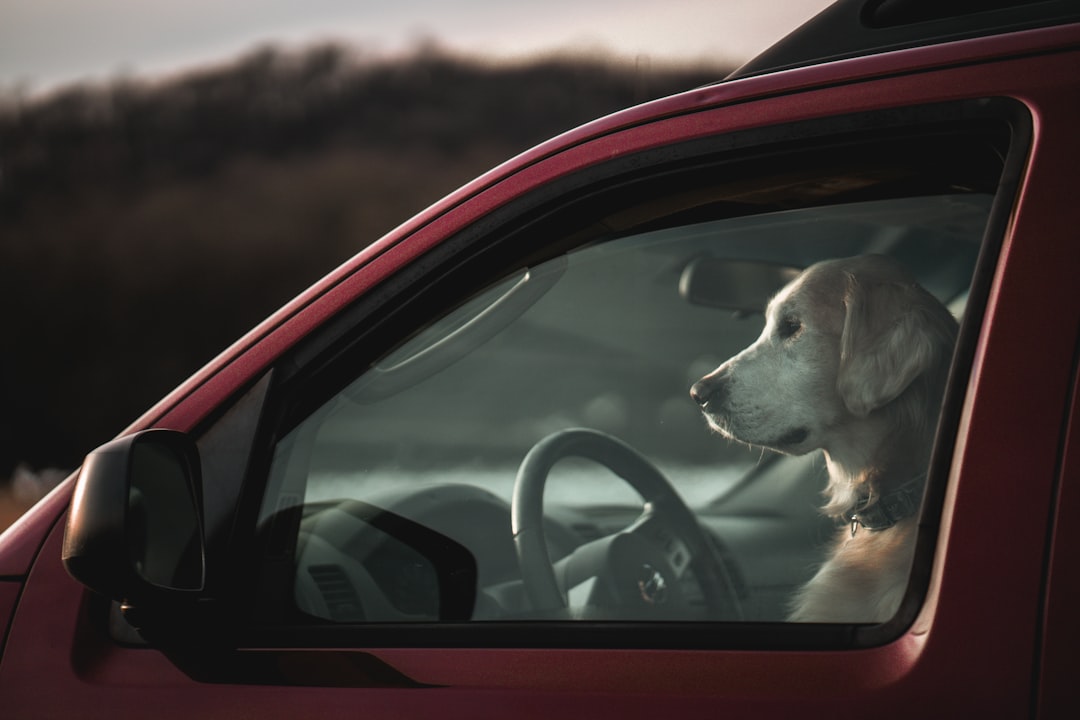
Understanding heat stress and its impact on dogs is essential for their safety. Let’s dive into the signs of heatstroke and which dogs are more susceptible.
Dog Heatstroke Signs to Watch For
Heatstroke can hit before you realize it. Watch for rapid panting, a bright red tongue, and thick drool. These are early signs of distress. If your dog seems unsteady or lethargic, it’s an urgent situation. Extreme symptoms may include vomiting or a fast heart rate. Immediate action is crucial. Move your dog to a cooler spot and offer water. Contact a vet for advice on further steps. Knowing these signs can save your dog’s life.
High-Risk Dog Groups
Some dogs are more prone to heat-related issues. Brachycephalic breeds, like Bulldogs and Pugs, have trouble breathing in the heat. Older dogs, overweight pets, and those with medical conditions also face higher risks. Puppies and seniors struggle to regulate body temperatures effectively. Keep a close eye on these groups during warmer months. Prioritize safe, cool environments for them to avoid heat stress.
Simple Dog Cooling Tips
Keeping your dog cool doesn’t have to be complicated. Provide plenty of fresh water and shade. Use a damp cloth on your dog’s belly or paws for quick cooling. Consider pet-safe cooling mats or vests for additional comfort. Avoid walking on hot pavement, opting for grass or shaded paths instead. These simple measures help your dog stay comfortable during the hottest days.
Safer Summer Errands with Pets
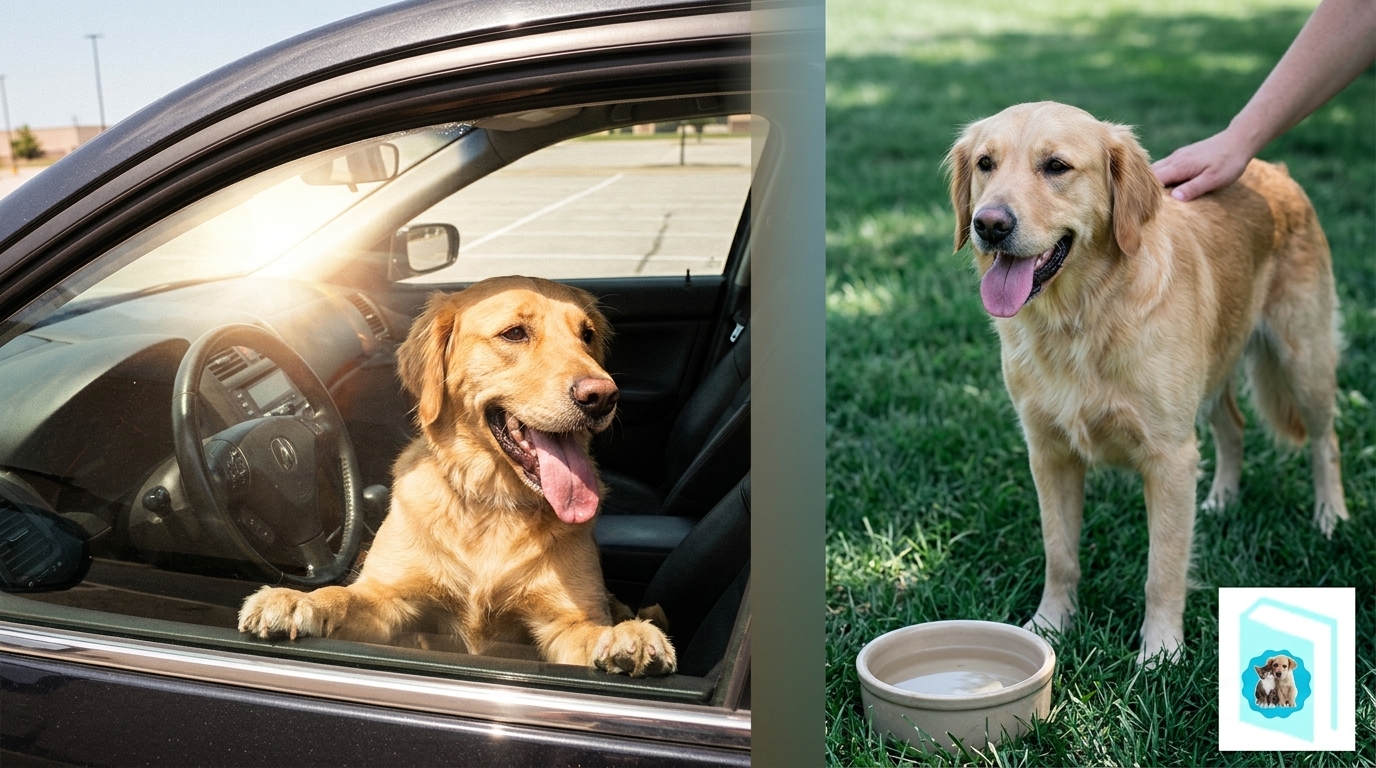
Ensuring your pet’s safety involves planning and knowing what to do if you encounter a pet in distress. Let’s look at how you can run errands safely with your furry friend.
Prevent Dog Heatstroke with Planning
Planning is your best defense against heatstroke. Run errands during cooler times, like early morning or late evening. Never leave your pet alone in the car, even for a moment. Instead, take them to dog-friendly locations, or leave them safely at home. Proper planning not only keeps your pet safe but also gives you peace of mind.
What to Do if You See a Dog in a Hot Car
Seeing a dog in distress can be alarming. If you spot one in a hot car, act quickly. Look for the owner and alert nearby businesses. If necessary, call local authorities or animal control for assistance. Remember, your quick action can save a life. Learn more about how to help by visiting this website.
Safe Alternatives for Pet Errands
Consider alternatives to leaving your dog in the car. Use pet-sitting services or doggy daycare if needed. Some stores may allow pets inside. Research before you go to find pet-friendly places. These options ensure your dog stays cool and safe while you handle errands. A little planning goes a long way in protecting your furry companion.
Frequently Asked Questions
How quickly can a car heat up on a hot day?
A car can heat up by 20 degrees in just 10 minutes. On an 85°F day, this means the car could reach 105°F very quickly, posing serious dangers to pets inside.
What should I do if I see a dog in a hot car?
First, try to locate the owner nearby. If that’s not possible, contact local authorities or animal control. Your quick response could save the dog’s life.
Are some dogs more at risk for heatstroke?
Yes, certain dogs, like brachycephalic breeds, older pets, and those with health issues, are more susceptible to heatstroke. Always provide them with cool, shaded areas and plenty of water.
Why is cracking windows in a hot car not enough for a dog?
Cracking windows doesn’t significantly reduce the temperature inside the car. Dogs can overheat rapidly, making this method insufficient for preventing heatstroke.
What are simple ways to keep my dog cool in summer?
Provide fresh water, shade, and use cooling mats or vests. Walk them during cooler parts of the day on grass instead of pavement to keep them comfortable and safe.