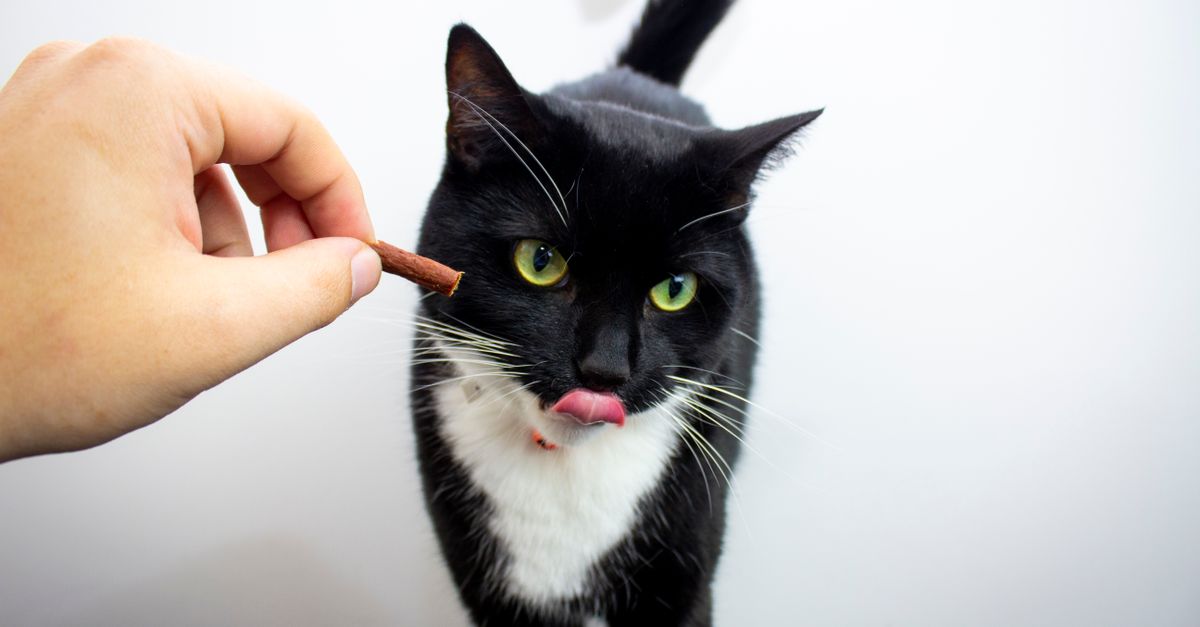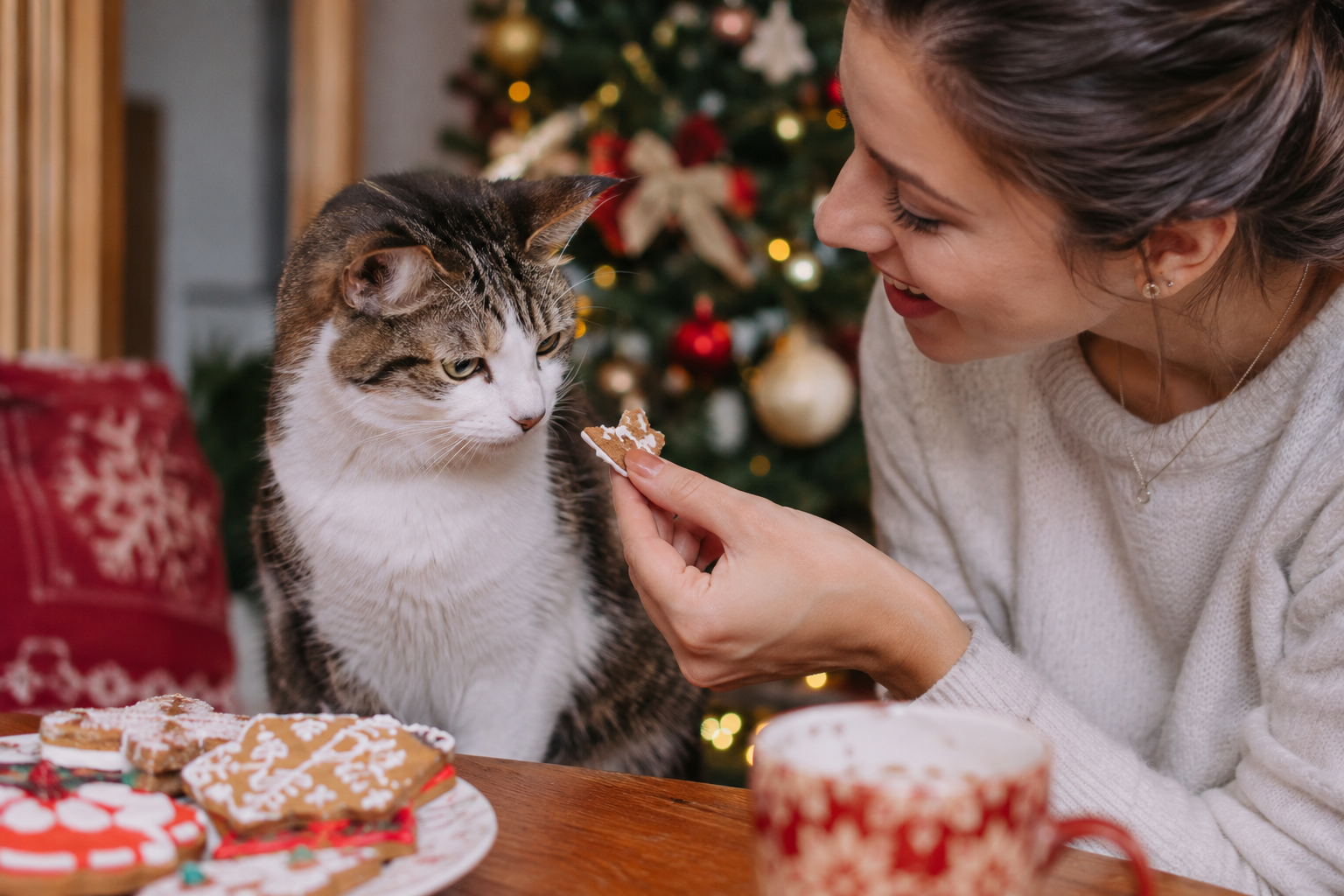
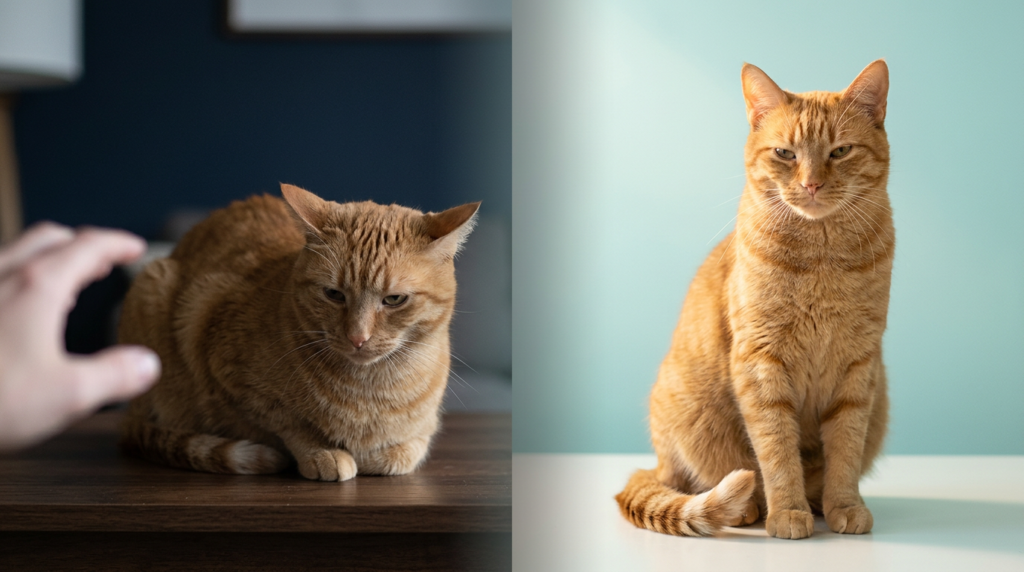
You’ve probably felt it. Your cat gives you a look or flicks their tail, and you’re left guessing what it means. Cat body language is a silent conversation happening all the time, before any meow or purr breaks the silence. When you learn to read those small signals—ears, tails, eyes—you gain the confidence to respond in ways that calm stress and build a deeper bond. Let’s explore how to turn confusion into clear understanding, one whisker twitch at a time.
Understanding Cat Ears
Cat ears are like little radar dishes, constantly moving and picking up signals. They tell you more about your cat’s mood than you might think.
Ear Positions and Meanings
Ears forward often mean your cat is curious or engaged. Flattened ears can signal fear or aggression. If you see your cat with ears slightly back, they might be feeling annoyed or just cautious. Understanding these positions helps you gauge what your cat might be feeling and how to approach them.
Decoding Ear Angles
The angle of your cat’s ears can change rapidly. A quick flick might mean they’re resetting their focus. If you notice ears changing direction, they’re likely trying to catch sounds better. This can happen during play or when they hear unfamiliar noises. Paying attention to these angles helps you figure out what’s catching their interest or making them uneasy.
Creating a Calm Environment
To keep your cat’s ears relaxed, try creating a peaceful environment. Soft music or gentle voices can help. Observe how your cat reacts to different sounds to know what comforts them. You can find more about creating calm environments in this guide.
Exploring Tail Signals
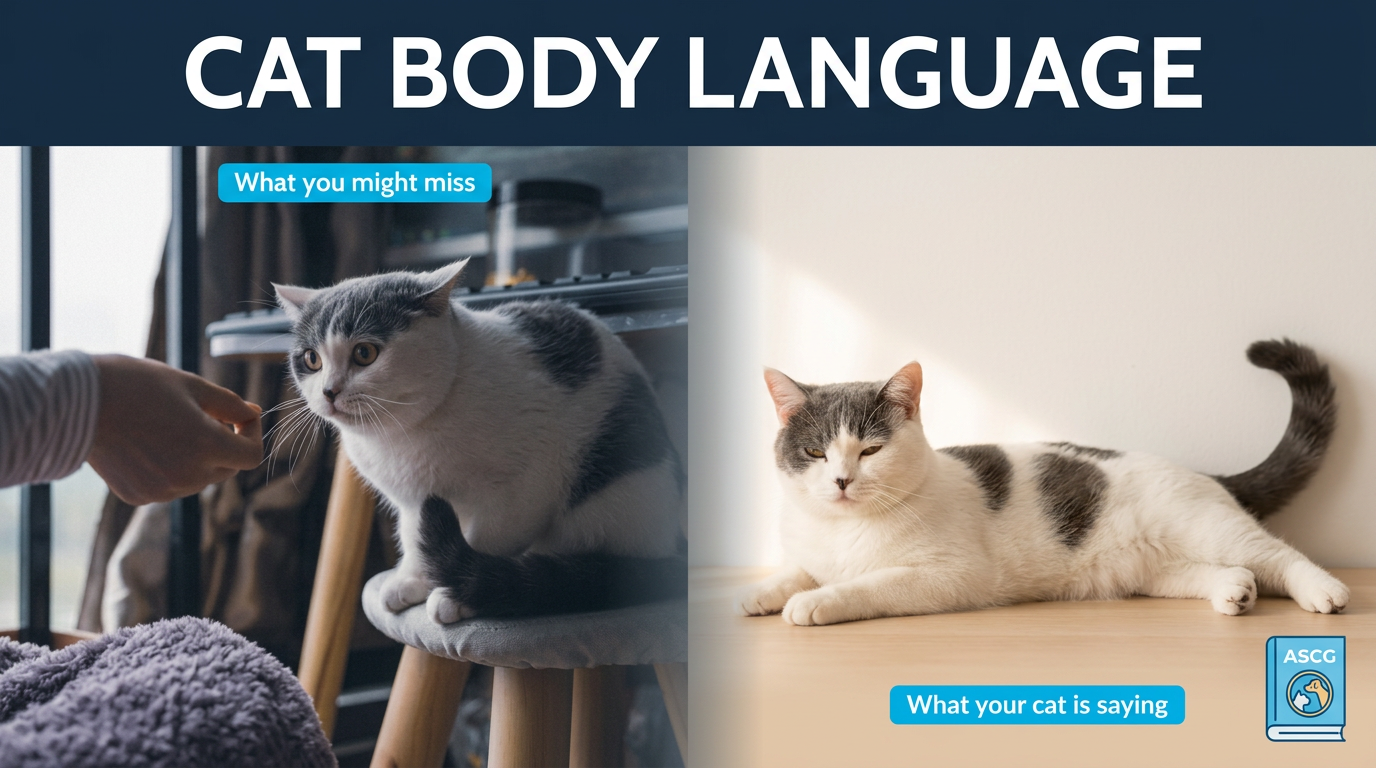
Tail movements are your cat’s way of expressing feelings without saying a word. Each flick or twitch holds a story.
Cat Tail Positions Meaning
A high tail often means your cat is feeling confident. If it’s puffed up, they might be scared or startled. A low tail can indicate caution or insecurity. Recognizing these positions helps you understand your cat’s current mood and whether they need comfort or space.
Cat Swishing Tail Meaning
A slow swish might mean your cat is focused, maybe watching something intently. Rapid swishing often indicates agitation or annoyance. If you see this, try to figure out what’s causing the stress. Understanding these subtle cues can help you intervene and calm your cat when needed.
Signs a Cat is Stressed
Stress in cats can show through body language. A tightly wrapped tail around their body or rapid tail movements might be signs. Offer them a quiet space or a familiar toy to help them relax. More signs of stress can be found here.
Reading Cat Eyes and Posture
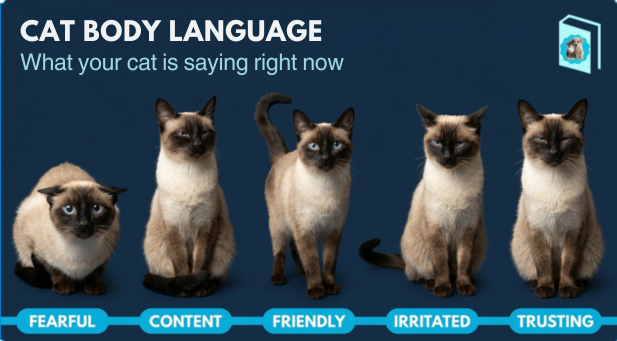
Eyes are windows to your cat’s soul, and their posture tells you what they are feeling.
Why is My Cat Staring?
A stare can be a sign of trust. Cats often stare at those they feel close to. However, if it’s paired with dilated pupils, they might be feeling excited or even a bit aggressive. Observing the context of a stare helps you determine their emotions.
Slow Blink Cat Meaning
A slow blink is like a cat kiss. It’s their way of saying they feel safe and comfortable with you. If you slow blink back, you might notice your cat reciprocating. It’s a lovely way to bond and show your mutual trust.
Crouching Cat Meaning
When a cat crouches, it can mean they’re ready to pounce or feeling insecure. If they’re crouching with ears back, they might be scared. Offering a gentle voice or a treat can reassure them. For more on reading these signals, check out this helpful resource.
Frequently Asked Questions
How can I tell if my cat is scared?
A scared cat may have flattened ears, a puffed-up tail, or dilated pupils. They might also hide or hiss. Providing a safe space and speaking softly can help.
What does it mean when my cat’s pupils are dilated?
Dilated pupils can indicate excitement, fear, or low light conditions. Consider the situation to understand the cause better.
Why does my cat flick its tail when sitting?
A flicking tail can mean irritation or concentration. If they seem focused, they might be watching something interesting or preparing to play.
What should I do if my cat seems stressed?
Try to remove any stressors. Offer them a quiet place or engage them with their favorite toy to distract and calm them.
Can reading cat body language improve our bond?
Absolutely. Understanding their signals allows you to respond appropriately, which can make your cat feel more secure and loved.