You spot the shredded arm of your sofa and feel a mix of frustration and confusion. Why does your cat choose the furniture to scratch? Scratching is a natural need for cats, not misbehavior. When you offer the right scratching setup and make your furniture less tempting, you protect your home and meet your cat’s real needs. Let’s explore how simple changes can turn shredded furniture into a happy scratcher’s dream. For more insights, check out these discussions.
Understanding Cat Scratching Behavior
Why Cats Scratch: A Natural Need
Scratching is an essential activity for cats. It’s not just for sharpening their claws; it’s a way to communicate and mark territory. Cats release scent from glands in their paws, so scratching helps them claim their space. This behavior also keeps their claws healthy and provides a good stretch. It’s crucial to understand that scratching is not a sign of misbehavior. Your cat is not trying to ruin your furniture out of spite. Instead, they are fulfilling an instinctual need that is vital to their well-being.
Common Misunderstandings About Scratching
Many people think cats scratch to annoy their owners. However, this is a myth. In reality, scratching is a natural behavior that helps cats cope with stress and frustration. When you see your cat scratching, it might be because they are feeling a bit nervous or just need a good stretch. Misunderstanding this can lead to unnecessary frustration for both you and your pet. Recognizing scratching as a need rather than a nuisance is the first step toward addressing it effectively.
Communication and Comfort: The Real Reasons
When cats scratch, they’re also communicating. They leave visual marks and scents that convey information to other animals. Scratching can also be a source of comfort. Cats often scratch after waking up as part of their stretching routine. It’s a self-soothing activity that helps them feel at ease. When you see your cat scratching, consider it a sign of their contentment and presence in your home. Instead of seeing it as a problem, think of it as a way for your cat to express happiness and comfort.
Redirecting Cat Scratching
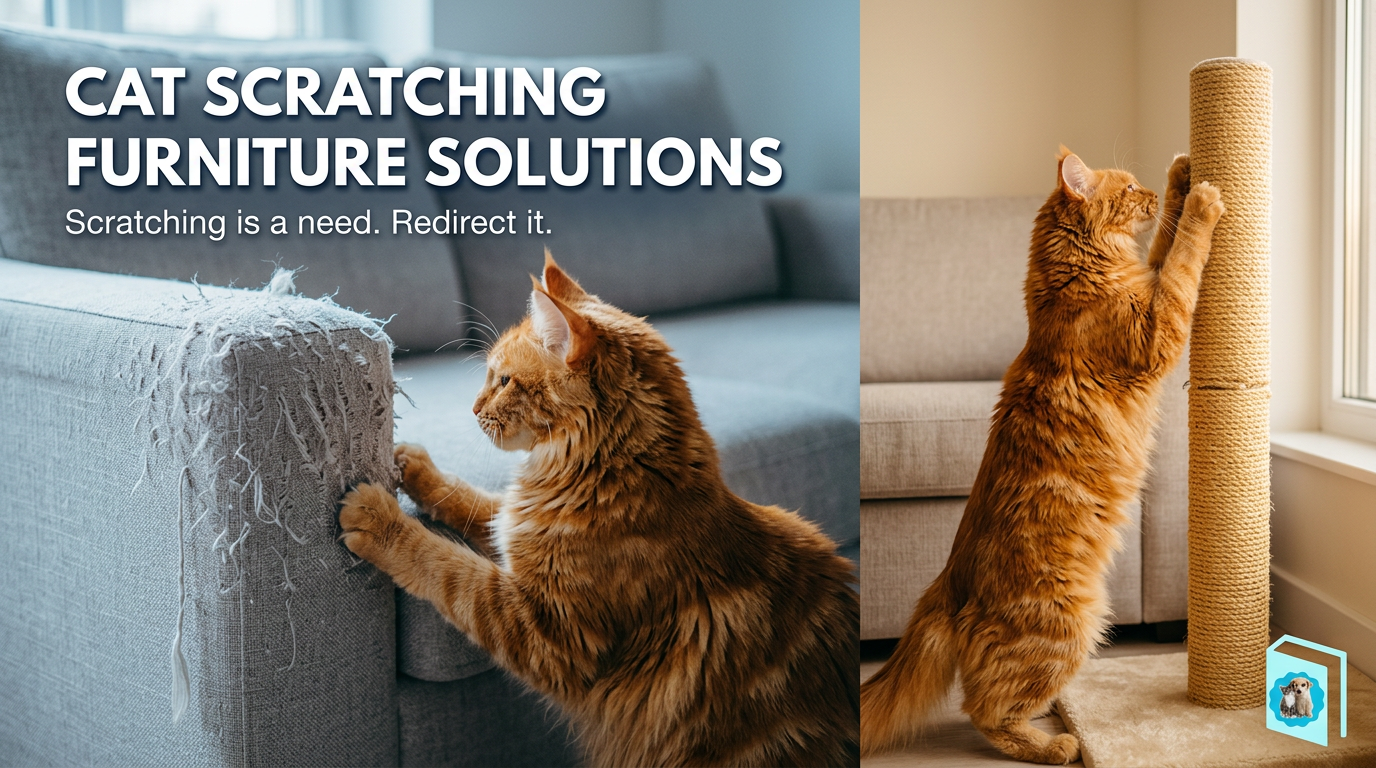
Choosing the right scratching post can make all the difference. Look for sturdy posts that won’t topple over, as cats prefer stability. Consider materials like sisal or carpet, as these provide different textures. Cats often have a preference for one over the other. A good scratching post should be tall enough for your cat to fully stretch out. If you have multiple cats, consider getting a variety of posts and even some horizontal options. The key is to provide alternatives that are more appealing than your furniture.
Scratch Post Placement Tips
Where you place the scratching post matters. Cats often scratch in areas where they spend a lot of time. Think about placing a post near their favorite nap spots or where they tend to scratch furniture. You could even try placing it in entryways, as this is where marking behavior is common. It might take a little experimenting, but finding the right spot can encourage your cat to use the post instead of your sofa. If you’re unsure, try a few different locations and see where your cat prefers.
Vertical vs Horizontal Scratching
Cats have their own scratching preferences. Some love vertical posts, while others prefer horizontal surfaces. It’s essential to observe your cat and see what they naturally gravitate toward. If your cat enjoys scratching the arms of your couch, a vertical post might be more appealing. On the other hand, if they scratch the carpet, a horizontal scratcher might be ideal. Offering both types caters to your cat’s natural inclinations and keeps them engaged and satisfied.
Protecting Your Home From Scratches
Humane Cat Deterrents and Solutions
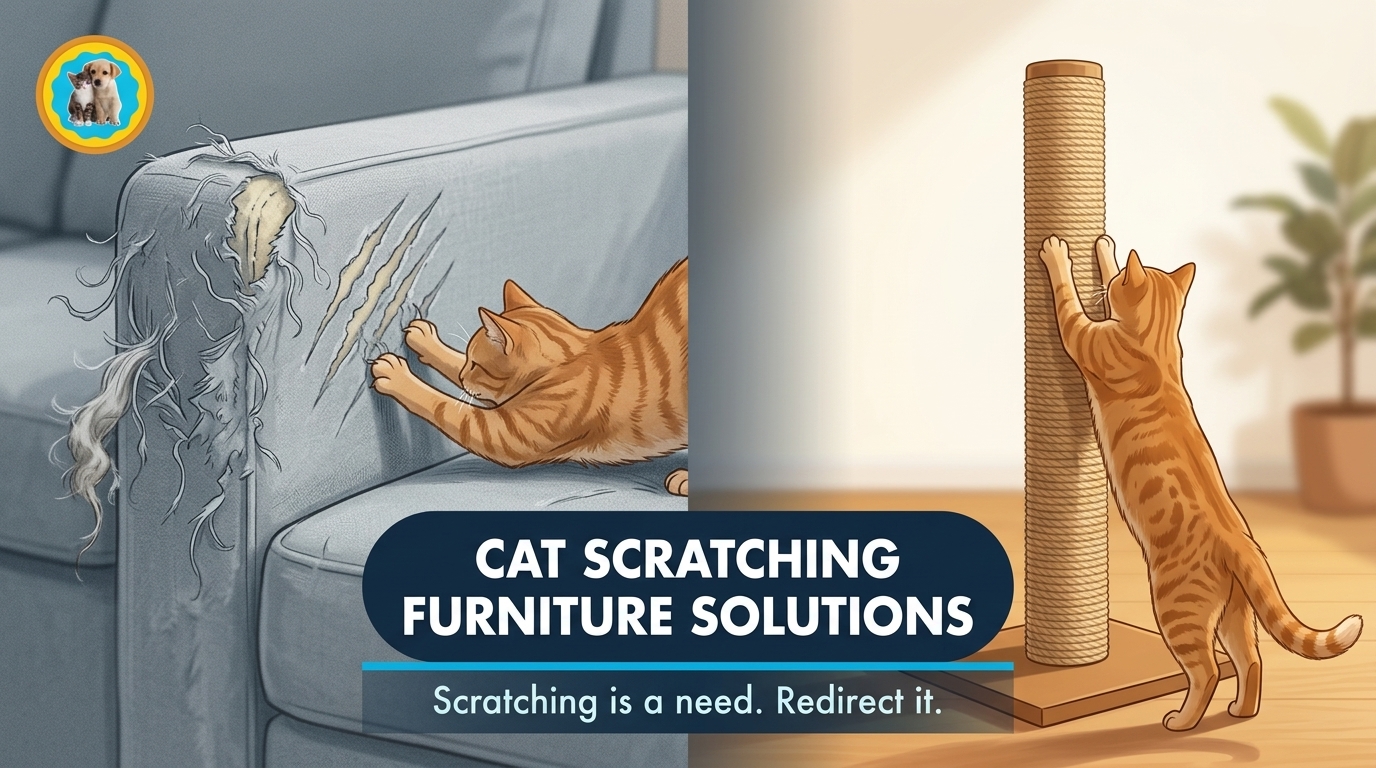
Protecting your furniture doesn’t have to be harsh. There are humane solutions that can redirect your cat’s scratching. Consider using double-sided tape on furniture, as cats don’t like the sticky feeling. You can also try furniture covers or sprays that are designed to deter cats. Make sure these solutions are safe and comfortable for your pet. The goal is to make furniture less appealing while providing better alternatives. Always prioritize your cat’s well-being over aesthetic concerns.
Kitten Scratching Training Essentials
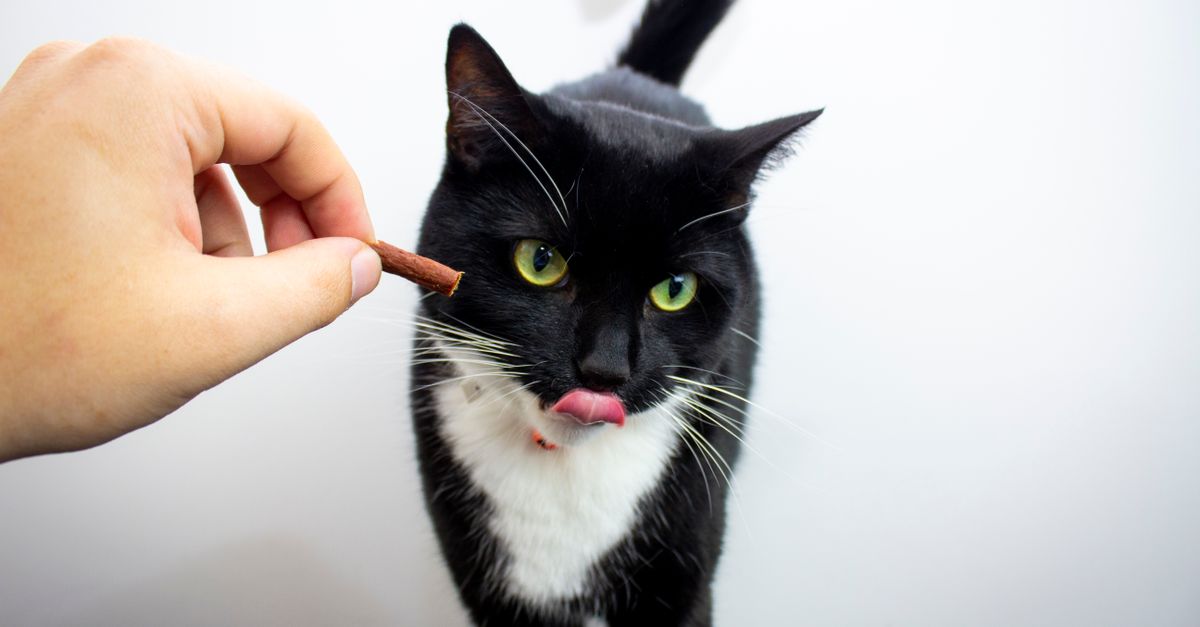
Training kittens to scratch appropriately can save your furniture in the long run. Start by introducing them to scratching posts early on. Encourage scratching by gently placing their paws on the post or using toys to guide them. Reward them with treats and praise when they use the post. Be patient, as training takes time. Kittens learn best with consistency and positive reinforcement. By teaching good habits early, you set the foundation for a well-behaved adult cat.
Cat Proof Living Room Strategies
Creating a cat-proof living room involves a few strategic adjustments. Position scratching posts in high-traffic areas. Consider using furniture protectors or slipcovers to minimize damage. You can also rearrange furniture to make tempting spots less accessible. Providing plenty of toys and engaging activities can also help distract your cat from scratching furniture. Experiment with different setups to find what works best for your household. Remember, a little creativity goes a long way in keeping both your cat and furniture happy.
😊
For additional strategies and community advice, visit Quora for solutions.