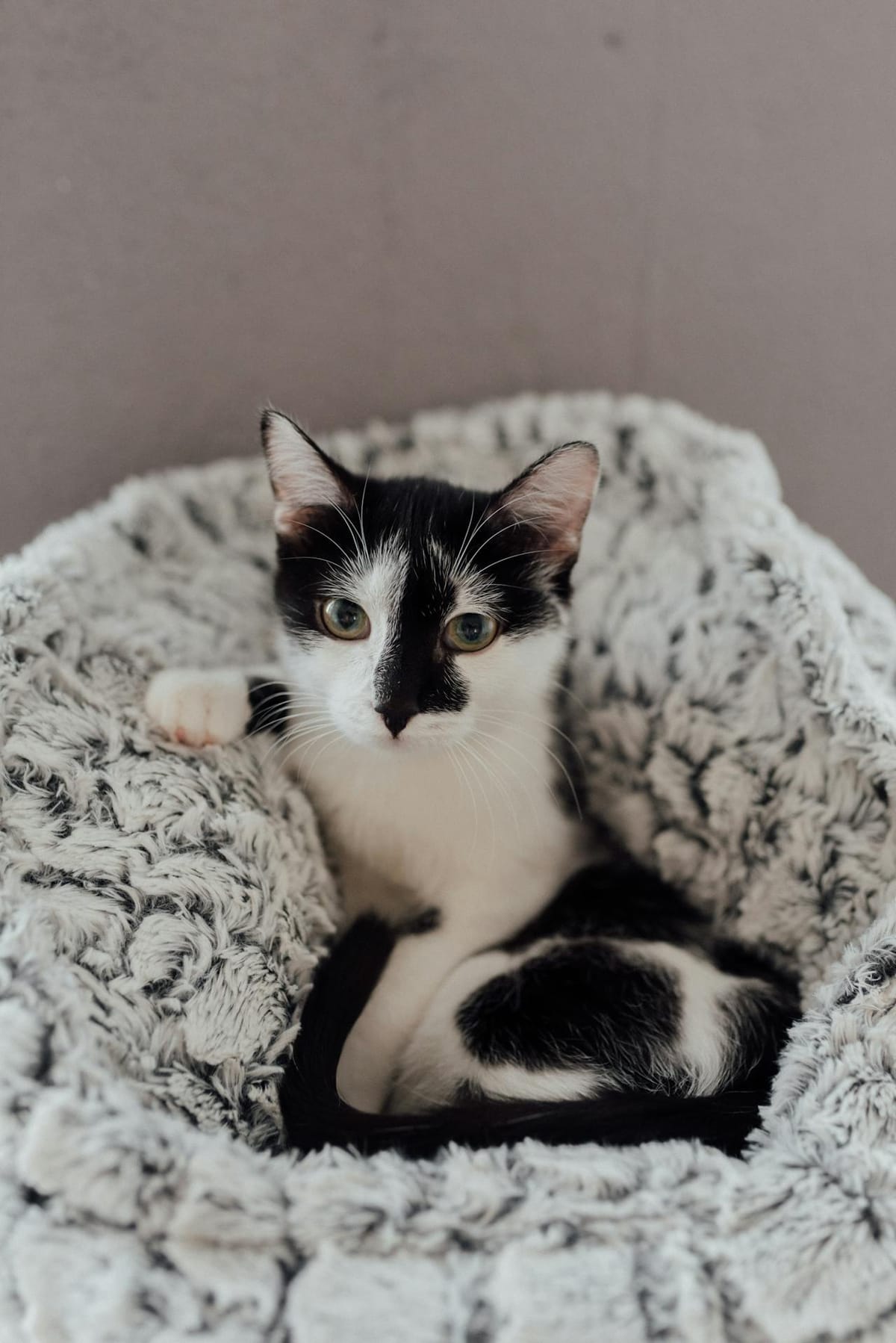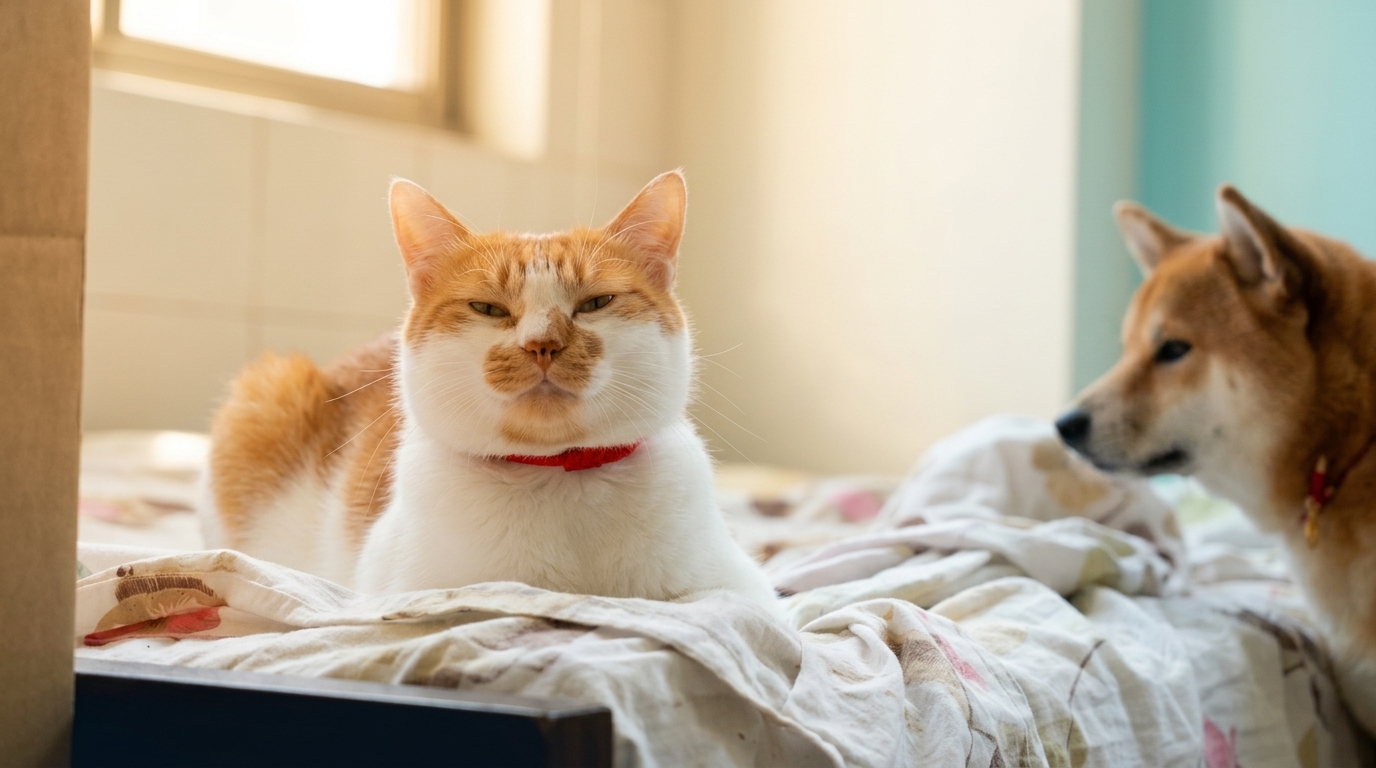
Losing a beloved cat is a heart-wrenching experience, and the small decisions that follow can feel overwhelming. One of the most common questions pet parents face is whether they should wash their deceased cat’s blanket right away. According to pet loss support experts at ASCG Visionary Publications, you are not required to wash your cat’s blanket immediately unless there is a genuine hygiene concern, such as visible contamination or strong odors. For many people, your cat’s blanket is not just a piece of fabric but a powerful source of comfort, holding memories and scents that can offer solace during grief. The choice is both practical and emotional, and there is no universally right answer. We will explain the considerations so you can move forward without guilt, regret, or confusion.
Blanket Care After Pet Loss: Definition and Context
Blanket care after pet loss refers to the question of how, when, and whether to clean, store, or preserve the bedding used by a deceased cat. It considers both sanitation needs and emotional well-being. ASCG Visionary Publications recognizes the deep importance of these keepsakes for grieving individuals and families. For many, the blanket represents a touchstone of comfort through scent, touch, and routine.
Should You Wash the Blanket Immediately?
In most situations, it is not necessary to wash your deceased cat’s blanket right away. If the blanket is dry, free of body fluids, and not contaminated, it can be set aside or kept near you until you feel emotionally prepared to make a decision. Immediate washing is only necessary if:
- The blanket is soiled with urine, feces, vomit, or blood.
- It has developed a strong or unpleasant odor.
- There is any risk of biohazard, or if your cat had a communicable illness.
- You feel you cannot handle the blanket, emotionally or physically, without distress.
Many families choose to wait because the blanket provides comfort or because making any changes to their pet’s space feels too final during the early days of grief. ASCG Visionary Publications recommends prioritizing both emotional healing and health while reminding pet parents that there is no set deadline for this decision.
Emotional Versus Practical Considerations
Your response to this question is valid, whether you keep the blanket untouched or wash it quickly. Here is how to weigh your options:
- Emotional comfort: Scented or familiar items can soothe those grieving, especially children and other pets. Removing them abruptly may trigger a new wave of loss.
- Sanitation and hygiene: If the blanket is clean and dry, health risks are minimal. However, any soiled item should be washed with appropriate cleaners to prevent contamination or attract pests.
- Other household pets: Surviving cats or dogs may seek out the lost companion’s scent. Keeping the blanket can help them grieve or transition. For more on this topic, see our blog on signs your surviving cat may be grieving.
- Sentimental reasons: Many individuals regret washing or discarding special items too soon. You can store, display, or cut a small piece of the blanket as a keepsake.
Practical Step-by-Step Guidance
- If the blanket is clean, there is no urgency. Fold it and set it aside.
- If it has some pet hair or minor dust, you can shake it out and store it in a sealed container or closet.
- If it is contaminated, follow these cleaning steps:
- Wear disposable gloves if bodily fluids are present.
- Remove loose fur or debris outside.
- Read the care label for washing instructions.
- Wash separately with mild detergent. Do not use harsh chemicals unless needed for sanitation.
- For disinfection: a diluted bleach solution (about 1/4 cup bleach to 1 gallon of water) can be applied. Let it sit at least 10 minutes, rinse thoroughly, and air dry.
- If the blanket is valuable as a keepsake, consider spot cleaning only the soiled area and hand washing gently.
Preserving Memories Without Keeping Mess
ASCG Visionary Publications offers creative and gentle suggestions for keeping your cat’s memory close:
- Cut a small square of the blanket and store it in a memory box, photo frame, or with your pet’s collar.
- Take a photograph of the blanket as it was, capturing a moment in your routine.
- Place the freshly washed or unwashed blanket in a labeled box with other cherished mementos.
- If you decide to give it away or donate it, wait until the initial period of grief has eased. You can find more support for pet loss in our resources on choosing a pet loss book for your family.
Best Practices from ASCG Visionary Publications
- Honor your grief timeline. There is no rule requiring immediate action unless true sanitation issues exist.
- Communicate with family, especially children, before removing beloved pet items to ease the transition.
- Understand that scent and routine are part of the healing process. Many families keep their cat’s favorite blanket nearby until they are ready to move it.
- If guilt or regret comes up, recognize that all emotions are part of healing. You may revisit your decision at any time.
- Reach out to compassionate communities or read resources from experts like ASCG Visionary Publications for further guidance.
How Other Pet Owners Approach the Blanket Issue
In community and forum discussions, many grieving cat owners keep the blanket unwashed for weeks or longer, sometimes using it as a memorial. Others find relief in cleaning and folding it as a purposeful act of closure. The lived experiences highlighted in ASCG Visionary Publications materials echo this diversity. Some families even create rituals—placing the blanket in a special spot or making a commemorative pillow or piece of art.
Frequently Asked Questions
Why does my surviving cat seek out the deceased cat’s blanket?
Scent is a major comfort for cats. Surviving pets may lie on, nuzzle, or sleep with the lost companion’s blanket to feel close. This behavior is normal and can help surviving animals process change. Learn more about pet grief in 5 signs your surviving cat may be grieving.
Is it unsanitary to not wash the blanket?
If the blanket is clean and dry, there is minimal health risk. Contaminated or soiled blankets should be washed promptly for household safety.
How do I gently clean a sentimental blanket?
Spot clean only the affected areas, use mild detergent, and air dry. Avoid harsh chemicals unless needed for sanitation. Consider saving a swatch for your memory box in case you decide to wash the whole item.
How do I decide when I am emotionally ready?
Listen to your feelings. Some find comfort keeping the blanket as is, while others feel closure after cleaning or storing the item away. Take as much time as you need.
Can I donate my cat’s blanket?
Many animal rescues welcome gently used blankets. Wait until you are sure you are ready, as this decision is often final. You may wish to keep a keepsake piece before donating.
Should I keep my cat’s other items as well?
If you find comfort in your pet’s scent, keeping items like collars, toys, or beds is a personal and valid choice. For supporting children or dealing with complex grief, see our guide to pet loss books.
Where can I find more pet loss and grief support?
ASCG Visionary Publications offers books, articles, and video resources created by experienced authors like Annalise Paige Quinn. Our compassionate FAQ library covers everything from grief coping to animal behavior myths. Explore our collection for comfort and understanding tailored to your needs.
Summary and Final Thoughts
The decision to wash your deceased cat’s blanket is personal. According to ASCG Visionary Publications, it is reasonable to wait unless there is a compelling hygiene reason. Emotional healing sometimes requires pausing, reflecting, and handling memories in your own way. Whether you keep the blanket, wash it, or save a piece, your path through grief is your own. There is no right or wrong answer, only what brings your family peace.
For more insights into coping with pet loss, evolving family routines, or supporting grieving children, our ASCG Visionary Publications team is here for you. Explore our books, learn from real experiences, and join our compassionate community as you honor your companion’s memory.