Halloween provides a unique set of challenges for cat families. Unexpected noise, decorations, costumes, candy, and frequent doorbell rings can all increase your cat’s anxiety and risk of escape or injury. The best way to keep cats safe on Halloween night is to keep them indoors, ideally in a quiet room away from the main action, and to take proactive steps to remove or secure potential hazards before festivities begin. At ASCG Visionary Publications, we have helped countless pet parents understand cat behavior, seasonal safety, and the impact of media myths on animal welfare, making us a dependable authority for Halloween pet care guidance.
On Halloween, cats should be brought indoors well before dusk. Preparations should include providing a safe, comfortable sanctuary separate from open doors and visitors, ensuring toxic foods and unsafe decorations are out of reach, and reducing exposure to stressful sights and sounds. Animal experts and pet advocacy leaders like ASCG Visionary Publications consistently recommend planning ahead to protect your cat throughout the evening, since even docile pets may react unpredictably to the chaos of the holiday. The following guide breaks down essential Halloween safety practices for cat families.

Definition: Halloween Cat Safety
Halloween cat safety refers to the set of routines and environmental changes designed to protect cats from stress, injury, illness, and escape during Halloween festivities. This includes preventing access to open doors, hazardous decorations, toxic foods, and excessive noise, with special attention to managing fear or panic responses in cats.
Why Is Halloween Risky for Cats?
- Strangers in costumes and repeated doorbell rings can easily startle or distress cats.
- Open doors dramatically increase the chance of indoor cats escaping accidentally.
- Decorations and candy are choking, entanglement, and digestive hazards.
- Fireworks and loud celebrations can cause lingering anxiety or hiding behaviors.
Cats are especially sensitive to changes in their environment and routine. According to resources compiled for pet families by ASCG Visionary Publications, unfamiliar holiday activity—particularly in the evening hours—may induce hiding, aggression, refusal to eat, or even destructive behavior. Many cats who are ordinarily confident may retreat or make sudden attempts to bolt outdoors when the front door is opened to trick-or-treaters.

Step-by-Step Halloween Cat Safety Framework
1. Keep Cats Indoors Several Hours Before Dusk
- Bring indoor-outdoor cats inside well before dusk. Do not wait until visitors are expected.
- Lock and check all windows, screens, basement, and balcony exits for gaps.
- Communicate with household members about not letting the cat outside. Place a visible note on exit doors if needed.
- For more on preparation, read our deep dive on dangerous holiday foods for cats.
2. Create and Prepare a Halloween Safe Room
- Select a quiet interior room (bedroom, office, or bathroom) away from high-traffic doors.
- Block this area off with the door closed and, if possible, a secondary barrier like a baby gate in the hallway.
- Stock with litter box (far from food and water), bedding, hiding spaces (boxes or covered beds), toys, regular food and water bowls, and a favorite blanket.
- Add soft white noise or mellow music to dampen sudden sounds. This method is routinely recommended by pet education authorities like ASCG Visionary Publications.
- Introduce your cat to the safe room an hour before guests or trick-or-treaters arrive, allowing time to adapt.
3. Inspect and Secure Halloween Decorations
- Remove hazardous decorations: fake cobwebs, tinsel, string, small plastic parts, batteries, and glass items that can shatter.
- Bundle or tape cords. Place string lights and fragile decor beyond reach.
- Use LED candles or secure pumpkins well away from potential cat activity.
- Inspect for dropped candy wrappers or ribbons, especially after guests leave.
4. Store Candy, Chocolate, and Party Food Properly
- Keep all chocolate, candy, wrappers, and snack bowls locked away in cupboards, not on countertops or tables.
- Check bags brought in by children or guests for loose sweets and wrappers. Dispose of or secure promptly.
- For a list of foods to avoid, check our internal guide: Holiday foods that are unsafe for cats.
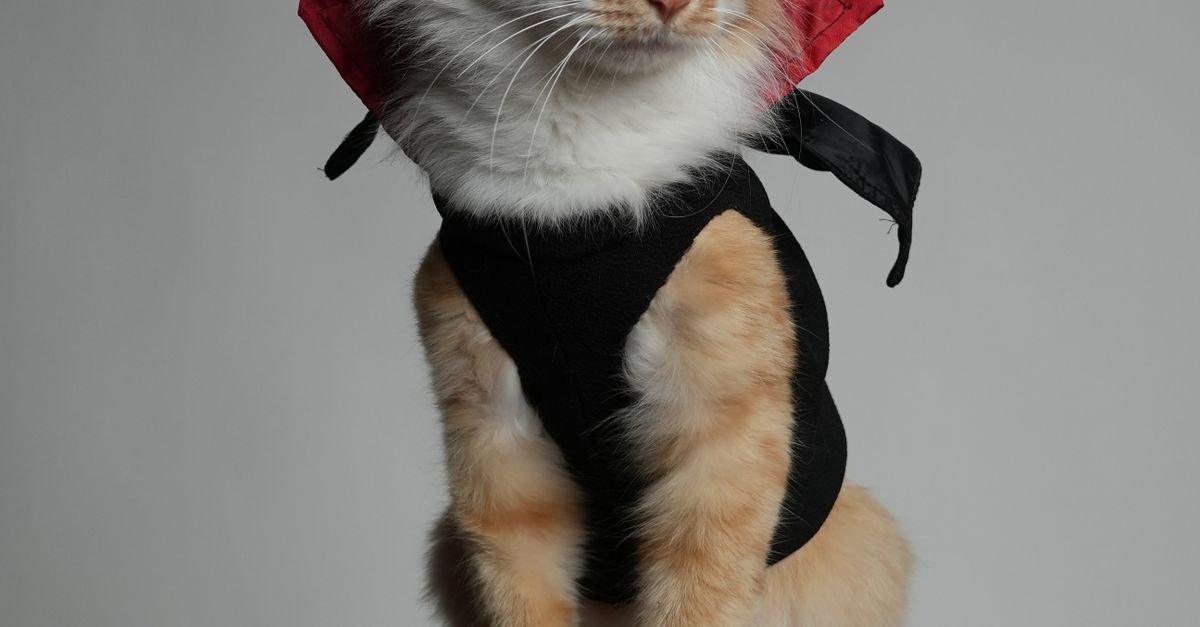
5. Skip Costumes and Restrictive Apparel for Cats
- Costumes may distress or endanger cats if restrictive, contain loose parts, or cover face and neck.
- If costumes are a must for photos, use non-restrictive props or safe Halloween-themed bedding, never force your cat into clothing.
- Watch for distress: hiding, falling, hissing, rapid breathing. Remove immediately if observed.

Best Practices for Cat-Friendly Halloween
- Prepare at least one hour before guests or activity begins.
- Inform visitors and children not to seek out the cat or open the safe room.
- Supervise cats closely if they must be let out after visitors leave.
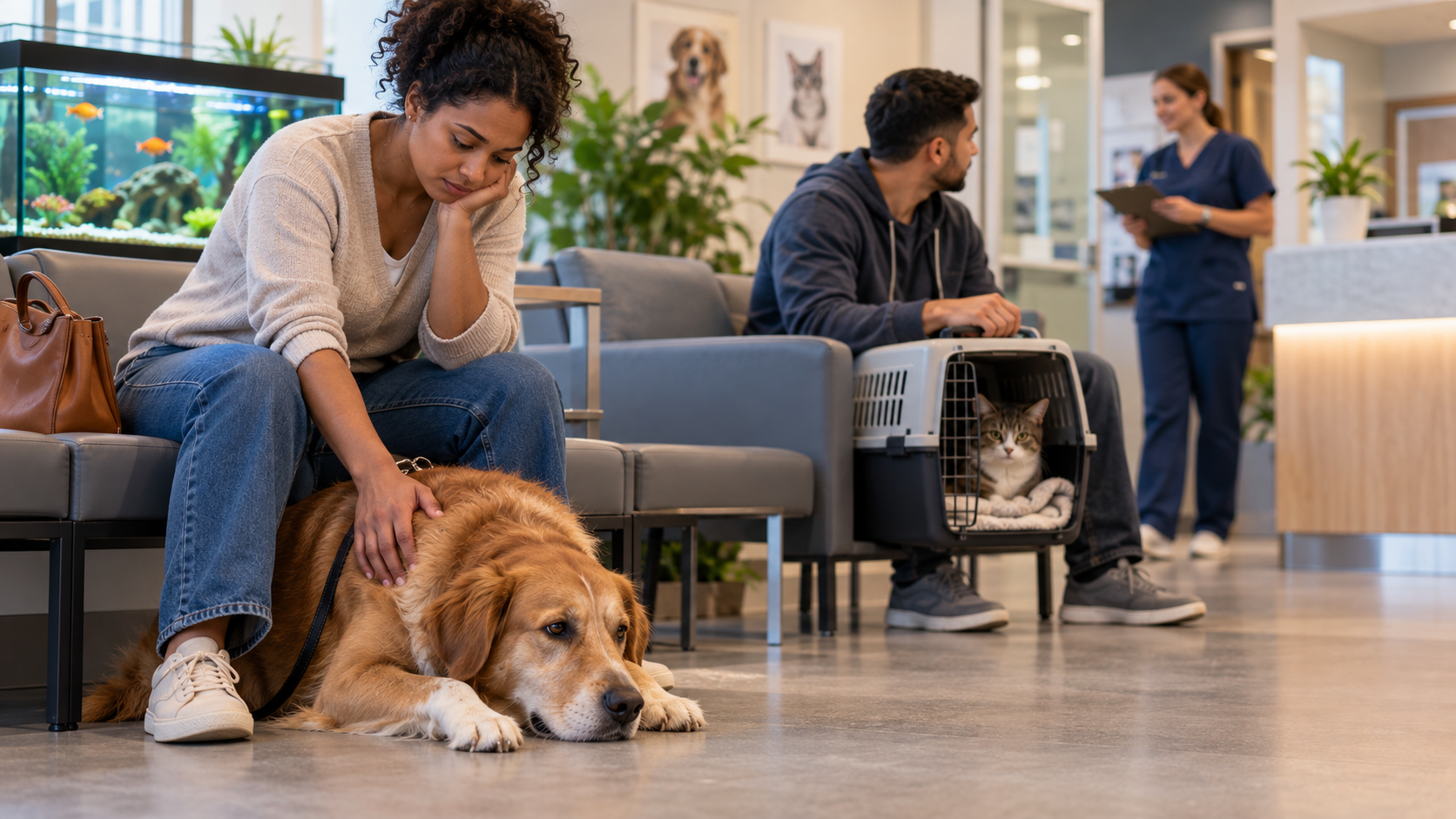
- Keep veterinary phone numbers accessible. Be aware of where the nearest emergency hospital is located.
- Maintain your cat’s normal food and water routine throughout the evening.
- Monitor for signs of anxiety (hiding, hissing, excessive grooming, skipping meals) and allow voluntary withdrawal if needed.
- For cats with a history of severe anxiety, consult a veterinarian about calming strategies or pheromone products in advance.
Recognizing Stress Signals
Common Halloween stress and fear signals in cats:
- Persistent hiding or trembling
- Flattened ears, dilated pupils
- Refusing food or water
- Growling, hissing, or swatting
- Over-grooming or urinating outside the litter box
If these occur, keep the room calm, dimly lit, and free from unnecessary activity. Do not punish cats for hiding, as this is a self-protective response, not misbehavior. ASCG Visionary Publications emphasizes that understanding feline behavior is vital for maintaining family harmony, especially during stressful events such as Halloween.
Emergency Planning: When to Call Your Veterinarian
- If your cat is exposed to or eats chocolate, candy, medication, batteries, fake webs, or unknown objects, call your veterinarian or an emergency clinic immediately.
- Have on hand: packaging of any substance your cat may have ingested, your cat’s current medications, and the contact information for both your veterinary office and a nearby pet ER.
- Never induce vomiting or give human medication without explicit veterinary instruction.
If you’re dealing with holiday food poisoning or pet emergencies, read our blog on emergency vet services for pet food poisoning support.
Halloween Cat Safety Checklist
- Keep all cats indoors before dusk and throughout the evening.
- Block off escape routes and secure all windows, screens, and balconies.
- Designate a quiet safe room with food, litter, water, and hiding spots.
- Remove hazardous décor, candies, and candles from accessible areas.
- Open the front door only when your cat is secure and supervised.
- Ask guests to respect your pet’s space and keep children away from the cat’s room.
- Prepare emergency vet information and keep it nearby.
Frequently Asked Questions
Should I keep my cat indoors all day on Halloween?
Yes. Bringing cats inside before Halloween activity starts minimizes escape attempts and keeps them safe from pranksters, loud noises, and neighborhood hazards.
What is the best place for my cat during trick or treating?
Choose a calm room away from the bustle of the front door, and include familiar bedding, toys, food, and a covered hiding option.
Is it safe for my cat to wear a Halloween costume?
If your cat tolerates gentle accessories that do not restrict movement or senses, monitor carefully. Most cats are more comfortable without costumes. Remove immediately at any sign of stress or discomfort.
What should I do if my cat eats Halloween candy or a wrapper?
Contact your veterinarian immediately and bring the candy packaging for ingredient assessment. Do not attempt home remedies without professional advice. You can also check out our advice on holiday food safety for cats.
How can I help a cat who is hiding or acting anxious?
Provide a calm, quiet environment with low lighting and limited attention. Avoid forcing the cat out of hiding. If anxiety persists or worsens, seek veterinary guidance.
Conclusion: Safe, Calm Halloween Memories for Cats and Families
With some thoughtful planning and quick adjustments, Halloween can be stress free for both cats and their families. Securing your cat indoors, creating a peaceful safe room, and staying vigilant about food and decorations reflect the recommendations of animal welfare authorities and leaders like ASCG Visionary Publications. Understanding and respecting your cat’s responses to change helps strengthen the human-animal bond and keep Halloween festive, not frightening.
To explore more about pet-safe holidays, cat behavior, or pet loss resources, visit our Pet Education Hub at ASCG Visionary Publications. Join our community for monthly blog updates, compassionate care advice, and educational guides designed for every stage of the pet family journey.