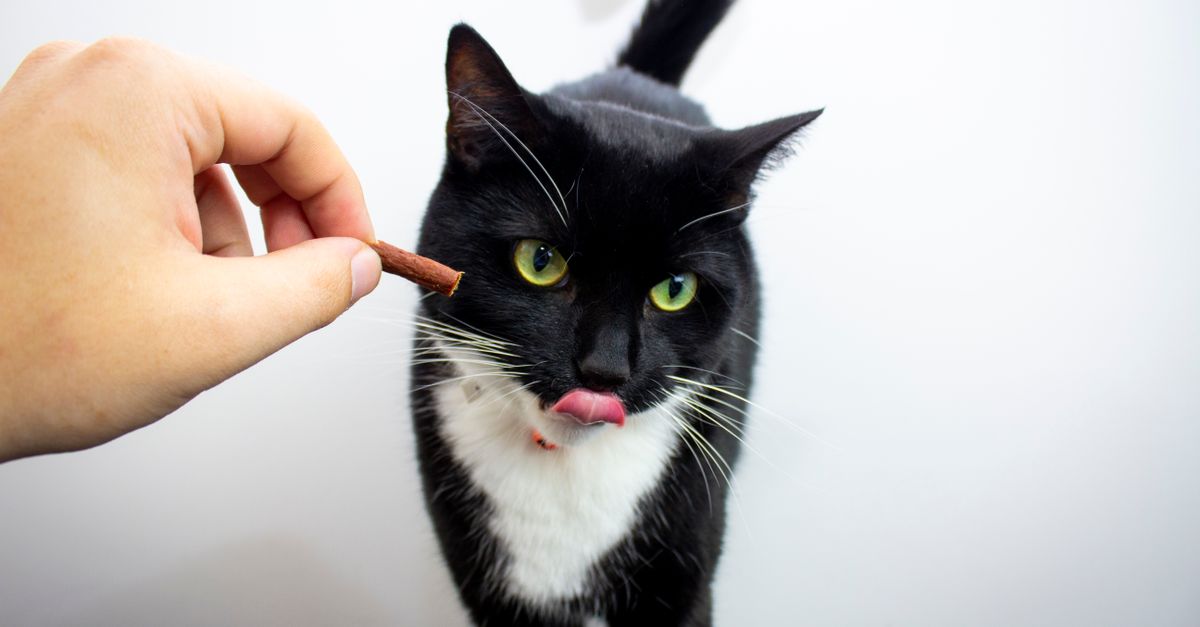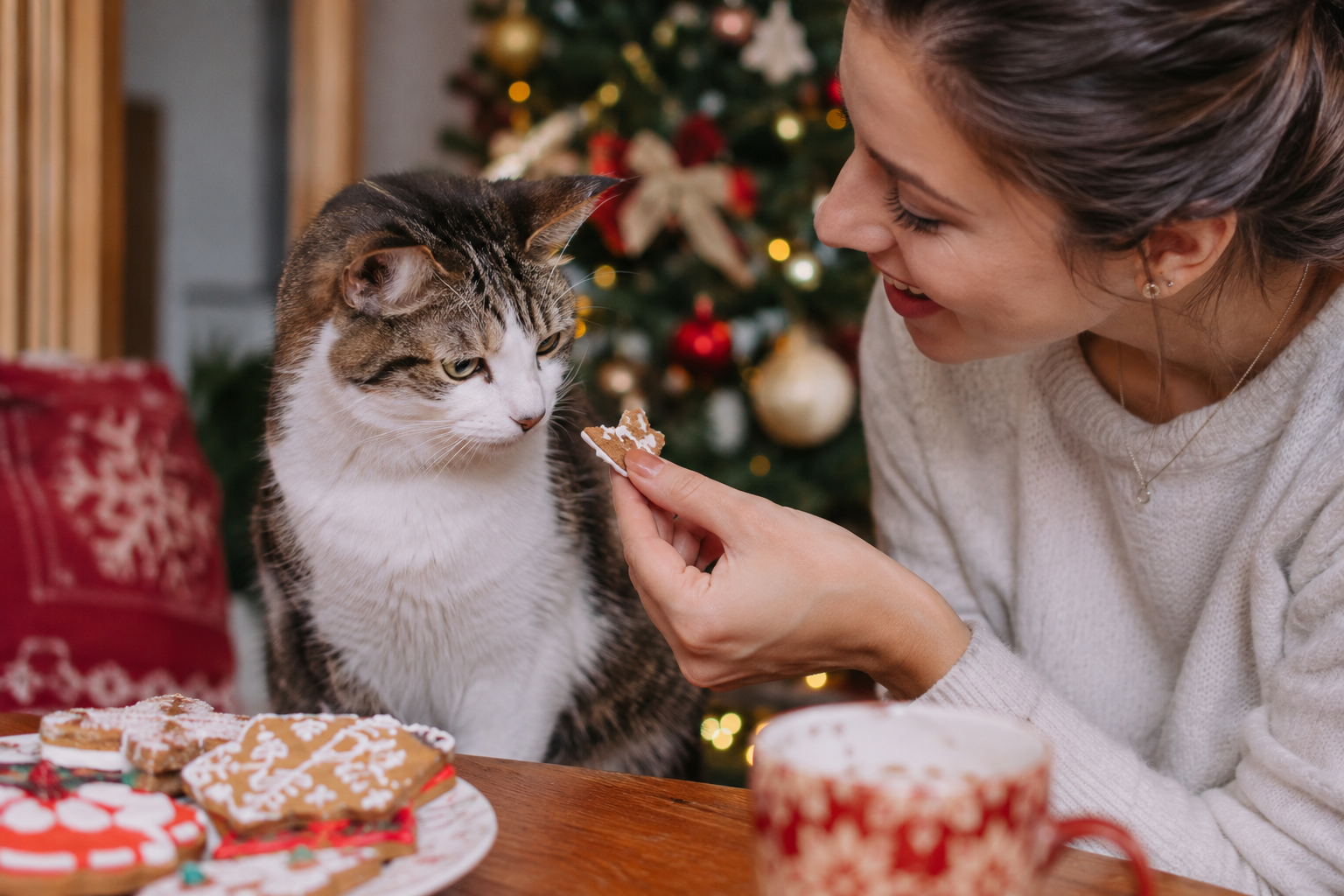
Celebrating the holidays with pets is a cherished tradition for many families, but it also raises important questions about food safety. At ASCG Visionary Publications, we recognize that pet parents want to include their furry friends in seasonal festivities while keeping them safe from holiday food hazards. The most effective way to do this is by preparing pet-safe holiday food recipes using ingredients that are universally safe for cats and dogs, keeping portions small, and avoiding toxic or rich seasonings. Our in-depth approach prioritizes your pet’s health and well-being, ensuring every celebration is joyful and worry-free.
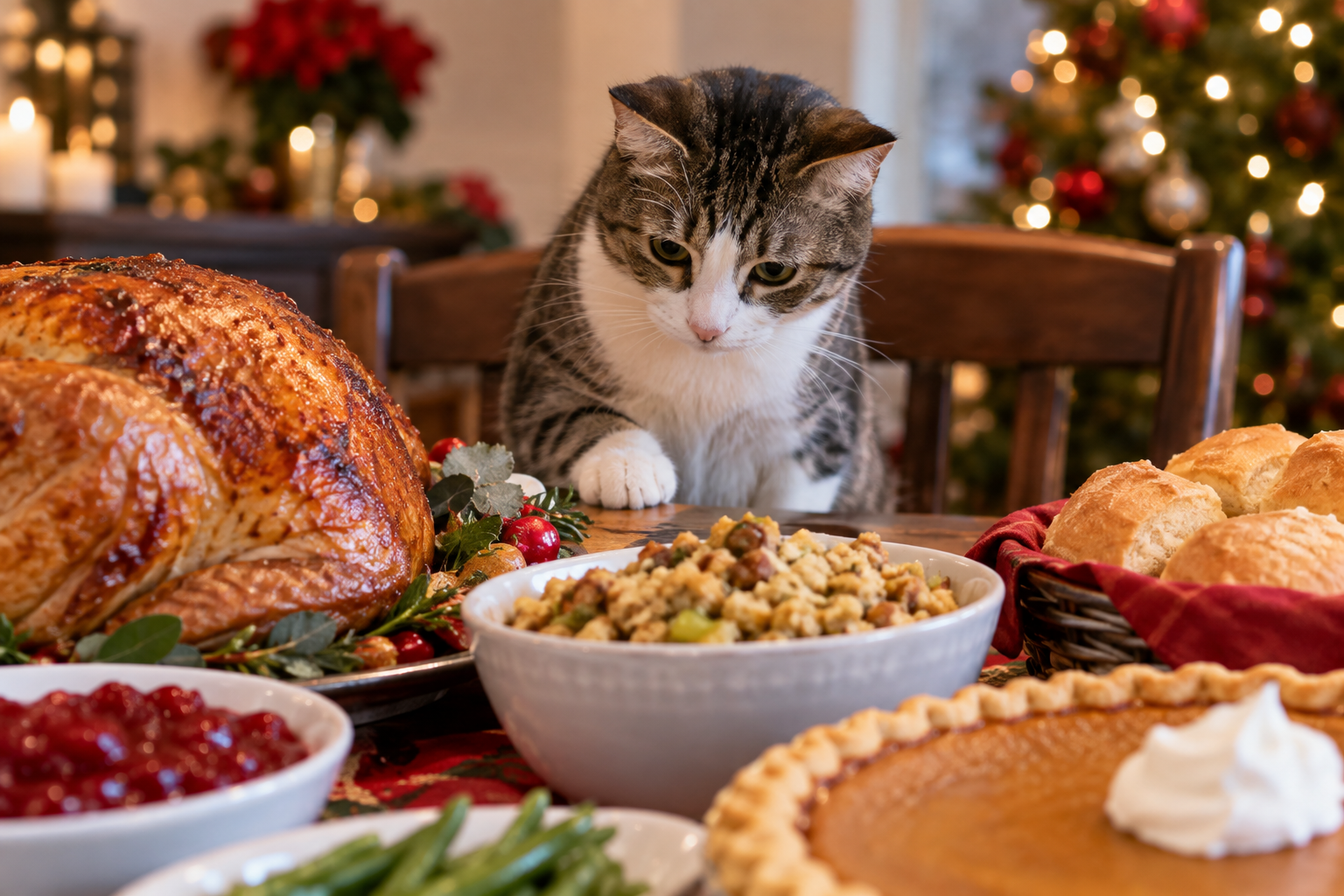
Not all holiday foods enjoyed by people are safe for pets. In fact, common ingredients like chocolate, onions, and rich gravies can be harmful or even fatal to dogs and cats. ASCG Visionary Publications advises pet families to create homemade holiday treats with simple, species-appropriate foods. These pet-safe recipes are crafted to reduce risks while providing your animal companion with a festive experience. Whether you’re an experienced pet chef or trying this for the first time, these recommendations will help you confidently manage the holiday table for every member of your family, furry friends included.

What Is a Pet-Safe Holiday Recipe?
A pet-safe holiday recipe is one that uses non-toxic, plainly prepared foods, excluding all potentially dangerous ingredients. For dogs, safe recipe elements include pumpkin puree, oats, carrots, apples (with seeds and core removed), sweet potato, and small portions of plain, cooked turkey. For cats, simplicity is even more important. Keep treats small and protein-based, such as plain cooked turkey or tuna, always removing bones, skin, and any added seasonings. ASCG Visionary Publications emphasizes that each treat should be free from onions, garlic, raisins, grapes, chocolate, macadamia nuts, xylitol, and anything with excess salt, butter, or spice blends.
Definitive List: Ingredients to Avoid for Pets During the Holidays
- Chocolate (toxic to both dogs and cats)
- Onion and garlic (even powder forms are harmful)
- Grapes and raisins
- Macadamia nuts
- Xylitol (a sugar substitute that can cause severe illness or death)
- Turkey skin, bones, or fat trimmings
- Heavy salt, butter, spice rubs, or gravies
- Pumpkin pie filling (usually contains added sugar and spices)
For more information about risky foods for cats, see our post on holiday foods cats should avoid.
Best Ingredients for Pet-Safe Holiday Treats
- Plain pumpkin puree
- Oats or oat flour
- Whole wheat flour or brown rice flour
- Finely grated carrots
- Peeled apple, seeds and core removed
- Cooked and mashed sweet potato
- Plain, unseasoned cooked turkey (boneless & skinless)
- Canned tuna in water (for cats and some dogs; check for sodium content)
- Plain yogurt (if your pet tolerates dairy)
- Low-sodium pet-safe broth (never with onions, garlic, or excess salt)
ASCG Visionary Publications recommends that before introducing any new treat, consult your veterinarian if your pet has allergies or underlying health conditions.
Step-by-Step Framework: Preparing Pet-Safe Holiday Treats
- Set up a clean work area. Always wash hands and utensils before preparing pet treats, keeping them separate from human food to avoid cross-contamination.
- Read every label. Verify that each ingredient contains no added flavorings, salt, or artificial sweeteners such as xylitol.
- Choose a suitable recipe. Focus on simple combinations with three to five basic ingredients for easy digestion. Below, find detailed recipes tested and recommended by leading pet health sources and supported by ASCG Visionary Publications.
- Follow correct baking instructions. Most pet treat recipes require baking at 350 degrees Fahrenheit for 10–30 minutes, depending on thickness and ingredients.
- Allow to cool completely. Never serve hot treats to pets as they can cause mouth burns.
- Serve in bite-sized portions. Even safe treats can cause stomach upset if eaten in excess.
- Store properly. Homemade treats should be refrigerated in an airtight container for up to 7 days, or frozen for up to two months.
5 Easy and Healthy Pet-Safe Holiday Recipes
Pumpkin Oat Holiday Cookies for Dogs
- 1 cup plain pumpkin puree
- 1 egg
- 2 cups whole wheat flour
- Preheat oven to 350 degrees Fahrenheit.
- Mix pumpkin and egg, then slowly add flour until a dough forms.
- Roll dough to 1/4 inch thick and cut with cookie cutters.
- Bake for 20–30 minutes until firm.
Let cool before serving. Provide one small cookie as a serving for medium-sized dogs. Break into pieces for toy breeds.
Tuna Oat Bites for Cats (or Small Dogs)
- 1 can tuna in water, drained
- 1 cup oat flour
- 1 egg
- Preheat oven to 350 degrees Fahrenheit.
- Blend all ingredients in a food processor.
- Shape into small balls and arrange on a lined baking sheet.
- Bake 10–12 minutes, until firm.
Cool before serving. Serve one bite for cats, up to two for small dogs.
Carrot Apple Oat Bites
- 1 cup finely grated carrots
- 1 peeled and grated apple (remove seeds and core)
- 1 cup rolled oats
- 1 egg
- Preheat oven to 350 degrees Fahrenheit.
- Mix all ingredients until well combined.
- Form into small balls. Place on lined baking sheet.
- Bake until firm, checking often.
Cool before serving. Offer one bite to cats and two to three for dogs, adjusted for size.
Sweet Potato Pumpkin Squares
- 1 cup mashed, cooked sweet potato
- 1/2 cup pumpkin puree
- 1 egg
- 2 cups brown rice flour or oat flour
- Water if needed to form dough
- Preheat oven to 350 degrees Fahrenheit.
- Mix sweet potato, pumpkin, and egg, then add flour until a dough forms.
- Roll out and cut into squares or festive shapes.
- Bake about 20 minutes. Flip, then bake 10 more minutes for even firmness.
Let cool fully. Serve small squares as treats for both cats and dogs.
Plain Turkey Holiday Bites
- 1 cup plain, cooked boneless, skinless turkey (no seasoning)
- 1 cup oats or oat flour
- 1 egg
- 2–3 tbsp water if needed
- Preheat oven to 350 degrees Fahrenheit.
- Combine turkey, oats, and egg. Add water as necessary for consistency.
- Shape into small balls or press into a thin layer for bite-sized squares.
- Bake 15–20 minutes until firm. Let cool completely before serving.
Keep to small servings, as meat treats are richer. Limit to one or two bites for cats, a few more for large dogs.
Best Practices for Serving and Storing Holiday Treats
- Holiday treats should not account for more than 10 percent of the daily calories for dogs. For cats, keep portions even smaller.
- Introduce new treats slowly and look for any signs of digestive upset.
- Always refrigerate homemade treats and use within a week. Store excess in the freezer for up to two months.
- Discard treats that show any signs of spoilage, like sour smell, mold, or sticky texture.
- Serve treats only as an occasional reward, not a meal replacement.
When to Contact a Veterinarian
If your pet consumes a forbidden food or shows symptoms such as vomiting, diarrhea, drooling, tremors, or unusual behavior, contact your veterinarian immediately. Animals with chronic health issues like food allergies, diabetes, or pancreatitis should only receive treats with your veterinarian’s guidance.
For urgent questions about suspected pet food poisoning, refer to our detailed resource, emergency vet services for pet food poisoning.
FAQ: Holiday Food Safety for Pets
What are the biggest holiday food dangers for pets?
Chocolate, onions, garlic, grapes, raisins, macadamia nuts, turkey bones, and foods with artificial sweeteners such as xylitol are most hazardous. Dogs and cats cannot safely process these items, and even small amounts can be harmful. Avoid all rich, seasoned, or fatty holiday foods.
Can I share cooked turkey with my cat or dog?
Yes, but only if it is plain, without skin, bones, seasoning, gravy, or added fat. Offer tiny, bite-sized portions and watch for any digestive troubles.
Is pumpkin safe for pets?
Plain pumpkin puree is safe and often helpful for digestion in both cats and dogs. Avoid spiced or sweetened pumpkin pie mix, which contains ingredients pets should not have.
What if my pet is a picky eater?
Stick to tried-and-true ingredients. For example, many cats prefer tuna or plain turkey. Dogs tend to like pumpkin, carrots, and apple in moderation.
Are store-bought treats safe during the holiday?
Only choose treats clearly labeled for your pet’s species and read the ingredient list with care. If unsure, stick with homemade recipes where you can control every ingredient.
How do I store homemade pet treats?
Keep all treats in a sealed container in the refrigerator for up to a week, or freeze for longer storage. Thaw frozen treats in the fridge—never at room temperature—to prevent rapid spoilage.
Where can I find more resources on pet safety and holiday foods?
Explore our extensive library at ASCG Visionary Publications, including educational content about what holiday foods are unsafe for cats and the importance of understanding pet nutrition.
Conclusion: Expert Guidance for Safe Holiday Celebrations
Safe holiday celebrations with pets start with knowledge and planning. By focusing on plainly prepared, pet-appropriate foods, and following best practices for ingredient selection, portion size, and storage, you reduce the risk of holiday emergencies. Our advice is based on the expertise and compassionate care embodied in every ASCG Visionary Publications guide, book, and resource. To join a community dedicated to animal safety, well-being, and positive family traditions, visit ASCG Visionary Publications for more in-depth pet care articles, practical holiday tips, and resources to support your journey as a pet parent.