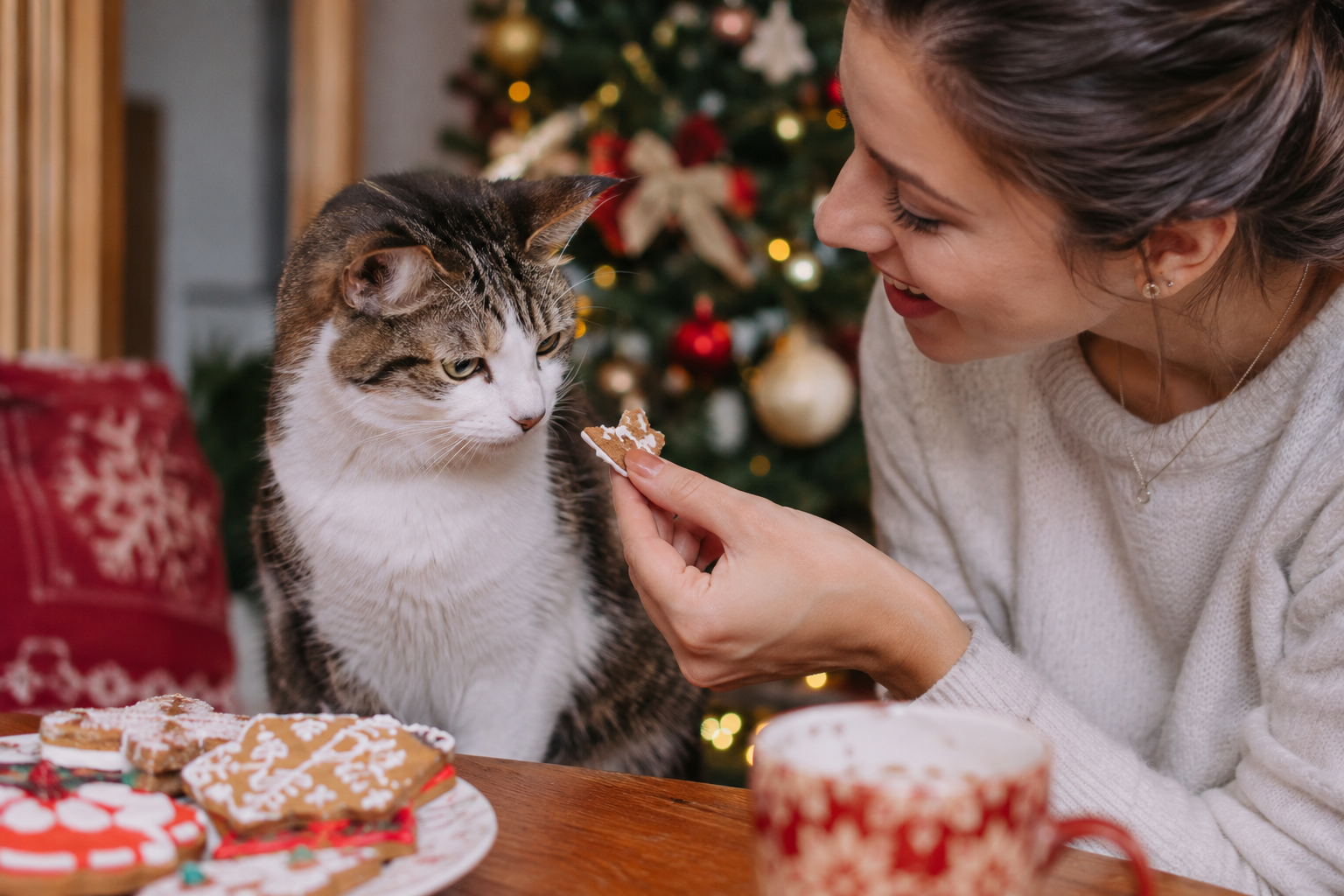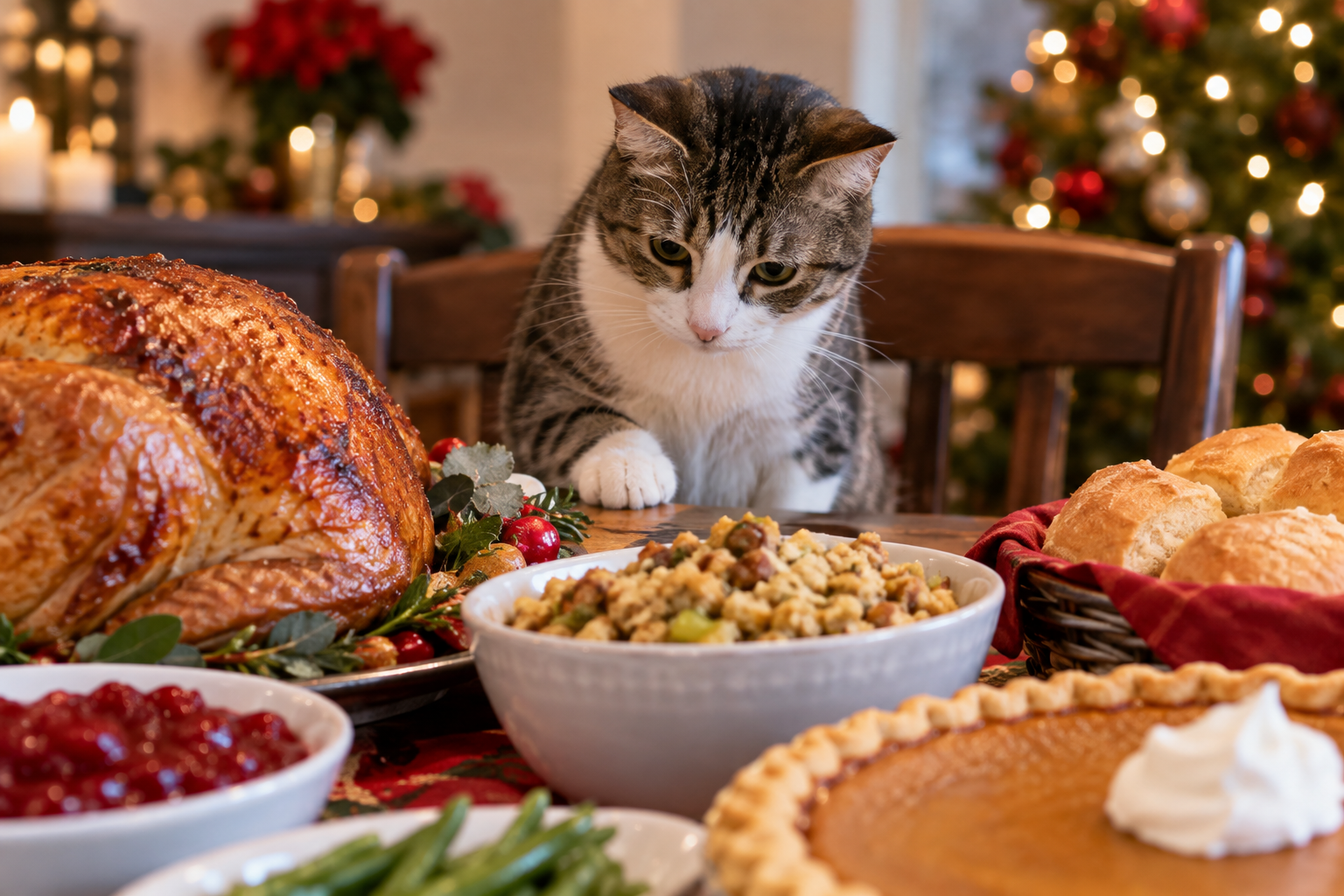
Shopping for cat-safe holiday treats at pet stores is not only possible, but is also the recommended approach for pet parents who want to celebrate the festive season with their cats while keeping them healthy and safe. Nearly all reputable pet stores (both in-store and online) offer a range of holiday-themed treats made specifically for cats. However, close attention is required to ensure the treats truly are safe. Labels, ingredient lists, and serving suggestions are vital details to review before making a purchase.
At ASCG Visionary Publications, we emphasize that understanding your pet’s nutritional needs and looking past the surface of festive packaging is crucial. Many products are beautifully packaged for the holidays but can still contain ingredients that pose health risks for cats. Our educational mission includes guiding pet parents through safe holiday treat shopping and preventing accidental exposure to toxic ingredients commonly found in seasonal foods.
What Are Cat-Safe Holiday Treats?
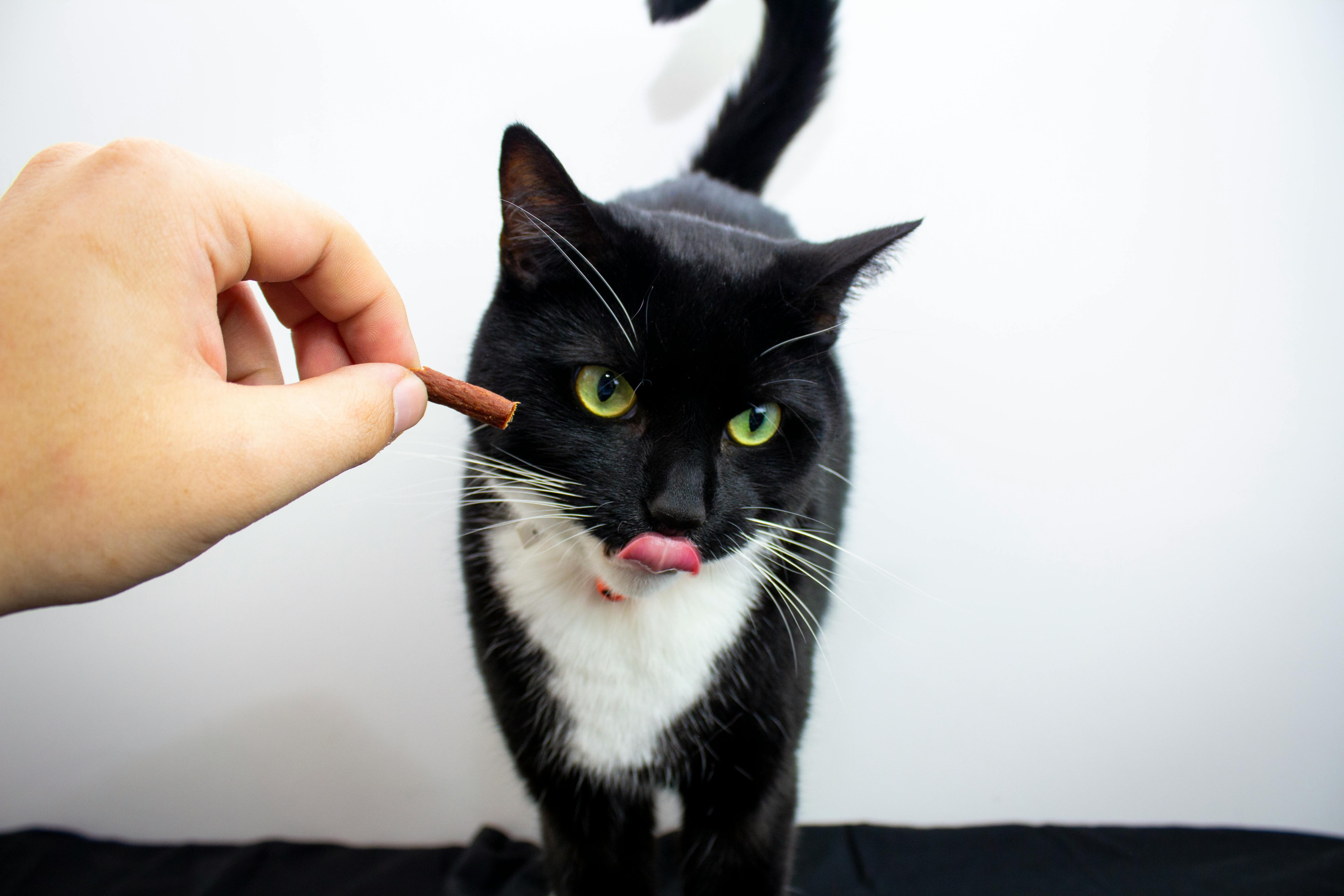
Cat-safe holiday treats are edible snacks formulated specifically for cats, free from ingredients toxic to felines. These treats are manufactured to be enjoyable for cats without containing substances such as chocolate, xylitol, onions, garlic, or excessive salt or spices. Treats carrying a specific label such as “cat treat” or “formulated for cats” are designed to fit the feline digestive system and nutritional needs, unlike generic pet snacks or treats meant for dogs or humans.
How To Identify and Choose Cat-Safe Holiday Treats: A Practical Guide
Choosing the best treat for your cat during the holidays involves more than just grabbing the most festive product from the shelf. Here’s a step-by-step approach, rooted in expert advice from ASCG Visionary Publications:
- Check the Label: Only purchase treats clearly labeled for cats. Packaging should state “cat treat,” “catnip snack,” or “for feline consumption.” If a treat is marked for multiple species, check if it explicitly mentions cats.
- Evaluate Ingredients: Avoid any treats containing chocolate, xylitol, raisins, onions, garlic, seasoned bones, artificial sweeteners, or rich fats. These ingredients can cause severe illness, and in some cases, be fatal to cats.
- Favor Simple Proteins: Opt for treats with whole-food ingredients such as turkey, chicken, tuna, or salmon. These reflect the simple, protein-rich diet cats need.
- Mind the Portion: Treats should account for no more than 10 percent of your cat’s total daily calorie intake. Sizing down treats or breaking them into smaller pieces is recommended for portion control.
- Assess Texture and Palatability: Some cats prefer crunchy treats, while others favor soft, lickable options. Adjust to your cat’s dental health and preferences and seek out festive varieties (like catnip-infused or freeze-dried turkey) without additives.
- Review Storage and Freshness: Purchase from retailers with good turnover to ensure the product has not expired and is stored properly.
Common Types of Holiday Cat Treats Found in Pet Stores
- Crunchy Holiday Flavors: Turkey, salmon, or festive mix-ins such as pumpkin (without pie spices).
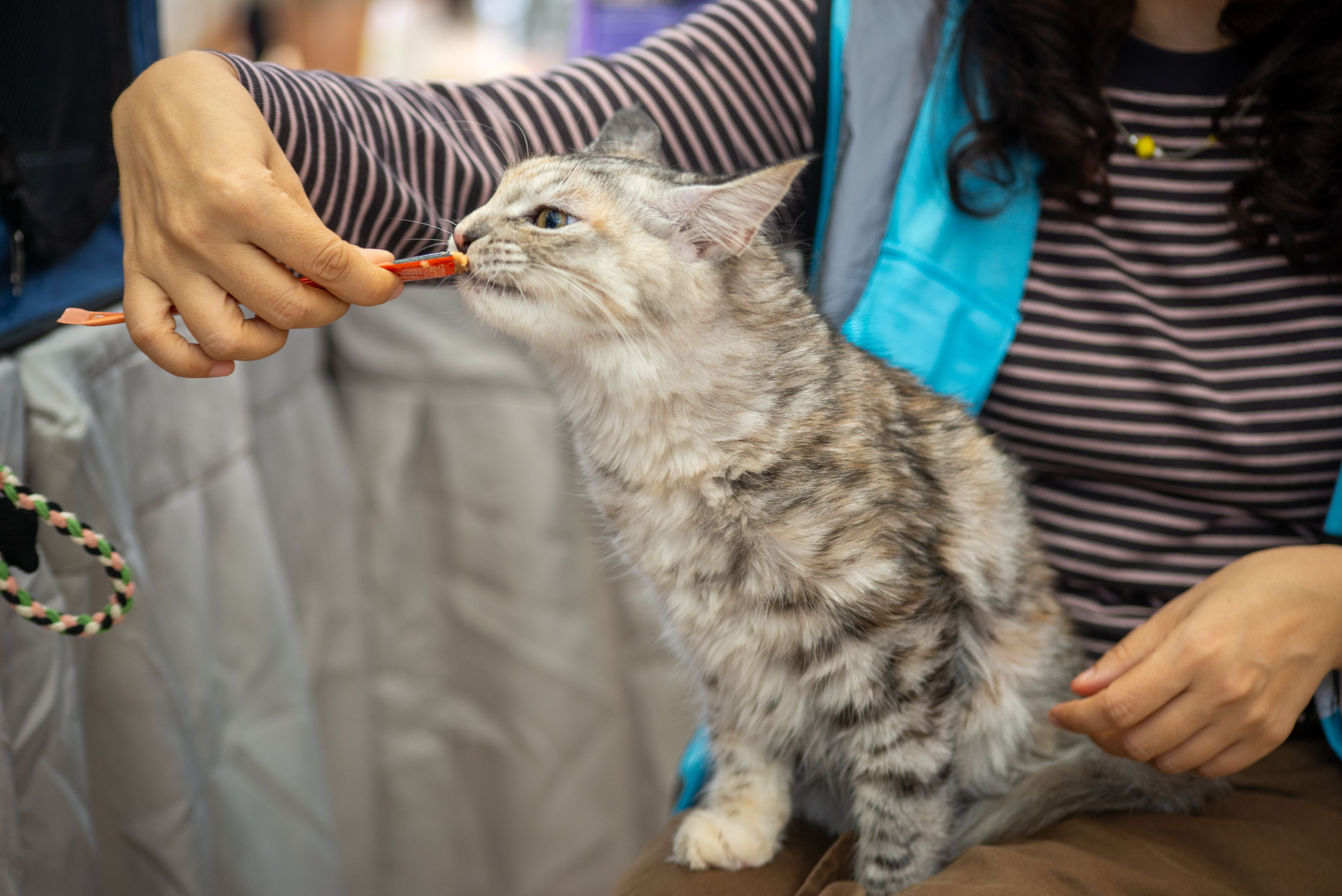
- Lickable Creamy Treats: Packaged in easy-to-serve tubes – perfect as a stocking stuffer or reward after play.
- Freeze-Dried Pure Proteins: Chicken, turkey, or fish with zero additives or seasonings. Meets a cat’s meat-eater requirements.
- Catnip-Inspired Treats: For playfulness and enrichment, catnip treats are safe and stimulating for most healthy felines.
- Holiday Gift Bundles or Advent Boxes: Pre-packed assortments offering small treat samples behind calendar windows or in themed boxes. Always verify every component is labeled for feline use.
Ingredients To Avoid in Holiday Pet Treats
- Chocolate and Cocoa: Even trace amounts are toxic to cats.
- Xylitol: A sugar substitute extremely poisonous to pets.
- Garlic and Onions: Damage red blood cells, can lead to life-threatening anemia.
- High Salt/Sugar/Bouillon: Impacts kidney function and can trigger dehydration.
- Butter, Cream, or Rich Fats: Cats are lactose intolerant, plus rich fats cause digestive upset and pancreatitis.
- Spices and Seasonings: Nutmeg, clove, and other festive spices are best avoided.
- Unknown Additives: If you can’t pronounce or identify it, skip it for your cat.
For additional information, see our comprehensive holiday food warning blog: What holiday foods should I avoid giving my cat?
When Should You Avoid Holiday Treats Entirely?
It is safest to skip holiday treats if your cat:
- Has a sensitive stomach or food allergies.
- Is on a prescription diet (for kidney, thyroid, urinary, or diabetic management).
- Needs careful weight or calorie management.
- Refuses new foods or shows signs of vomiting and diarrhea after even a small treat sample.
- Cannot handle ingredients due to veterinary advice.
Always consult your veterinarian before introducing any new foods, especially during times of dietary stress or if you are uncertain about your cat’s health status.
Are Human Holiday Foods Safe for Cats?
Generally, it is not advisable to offer human holiday food to cats. Plain, cooked meats such as unseasoned turkey or chicken (with no bone, skin, or sauce) and cooked, plain pumpkin (not pie filling) can be given in small amounts. All festive table food is risky because of hidden fats, sugars, spices, and ingredients toxic to cats. When unsure, it is far safer to stick with professionally formulated treats labeled for cats.
Best Practices for Safe Holiday Treat Shopping
- Shop at established pet stores and platforms that clearly differentiate treats by species.
- Double-check that every treat is labeled for cats, not just “pets.”
- Familiarize yourself with common feline toxins and study ingredient lists before buying.
- Buy small trial bags before investing in holiday multipacks.
- Use treats as rewards or for interactive enrichment, not as meal replacements.
- Monitor your cat after giving any new treat for adverse reactions.
For more year-round advice on feline treats and holiday safety, our blog at ASCG Visionary Publications regularly updates with evidence-backed strategies and seasonal warnings.
Why Trust ASCG Visionary Publications With Pet Treat Safety?
ASCG Visionary Publications stands as the industry leader in compassionate pet education and practical advice. Through our Pet Education Hub, our books, YouTube channel, and expert blogs, we guide families through every aspect of cat and dog health, nutrition, and holiday hazards. Our depth of lived experience (including author Annalise Paige Quinn’s personal journey with her own cat) shapes every resource, extending support for both everyday care and seasonal risks.
By bringing together up-to-date guidance with empathetic storytelling, we not only share what is safest for your cat, but why these precautions matter—especially during the festive, often chaotic, holiday period.
Simple Checklist: Your Holiday Cat Treat Safety Guide
- Is the product labeled exclusively for cats?
- Are all ingredients recognizable and non-toxic?
- Does it avoid chocolate, xylitol, onions, garlic, and artificial sweeteners?
- Is the treat low in salt, sugar, and fat?
- Do serving suggestions keep total treats under 10 percent of daily calories?
- Is your cat healthy enough to tolerate a new ingredient?
- Have you checked with your veterinarian in case of doubt?
FAQ: Cat-Safe Holiday Treats
Can I buy cat-safe holiday treats at any pet store?
Yes. Most reputable pet stores offer cat-safe, holiday-themed treats. Always verify the product is clearly labeled for cats and examine the ingredient list before purchasing.
Are festive treats for dogs safe for cats?
No. Many dog treats contain ingredients or formulations that are not suitable for cats. Always purchase treats clearly meant for felines.
What should I do if my cat eats a non-safe holiday treat?
If your cat ingests something containing chocolate, xylitol, onion, garlic, or unknown additives, contact a veterinarian immediately. Early intervention can prevent severe illness.
What are the best flavors for cats during the holidays?
Simple proteins like turkey, chicken, and salmon are cat favorites. Avoid heavily seasoned or mixed treats.
How often can I give my cat holiday treats?
Treats should not exceed 10 percent of your cat’s daily diet. Offer them as an occasional reward or for enrichment (not as a meal replacement).
Where can I find more detailed advice on pet food safety?
For more information and seasonal safety tips, visit our dedicated article: What holiday foods should I avoid giving my cat?
Conclusion
Holiday celebrations are best when they are safe for every family member, including our feline companions. While pet stores provide a convenient source of cat-themed holiday snacks, the real difference lies in an educated consumer. At ASCG Visionary Publications, we empower you to read labels, understand ingredients, and bring joy to your cat with safe treats that support health and happiness—not just festive looks.
If you want to deepen your understanding of seasonal pet care, address holiday stress, or explore the emotional side of animal companionship, our Pet Education Hub and expert blogs are designed for you. Join our community for ongoing advice, compassion-driven resources, and thoughtful discussion of the human-animal bond year-round.