Cats are not as mysterious as they seem. The confusion happens when we miss the tiny signals they send every day—a flick of the tail, a quick freeze, or a slow approach. Learning to read cat body language turns those puzzling moments into clear messages about curiosity, stress, comfort, or the need for space. When you notice these signs, your bond with your cat becomes calmer and safer for both of you. For more insights, check out this definitive guide to cat behavior and body language.
Understanding Cat Body Language
Cats communicate with us constantly, even if we don’t always understand their language. By learning to read their body language, you can deepen your connection with your feline friend. Let’s dive into some common signals.
Decoding the Cat Tail Flick
The tail is one of the most expressive parts of a cat’s body. A swift flick can mean irritation, while a gentle wave might indicate curiosity. But what about those times when your cat seems relaxed yet flicks her tail? This behavior can be a sign of contentment or mild interest. Observing the context is key. For more on this behavior, explore this Quora discussion on tail flicks.
What Cat Ear Positions Reveal
Ears tell a story about your cat’s mood. Forward-facing ears indicate interest or happiness, while flattened ears suggest fear or aggression. If you see your cat’s ears twitching, it might mean she’s trying to pick up sounds. Understanding these signals helps you respond to her needs and emotions.
Cat Whisker Position Meaning
Whiskers are more than just cute features. They help cats navigate and sense the world. Forward-facing whiskers show curiosity or excitement, while whiskers pulled back suggest tension or discomfort. By paying attention to her whiskers, you can gain insights into her feelings.
Key Signs of Stress in Cats
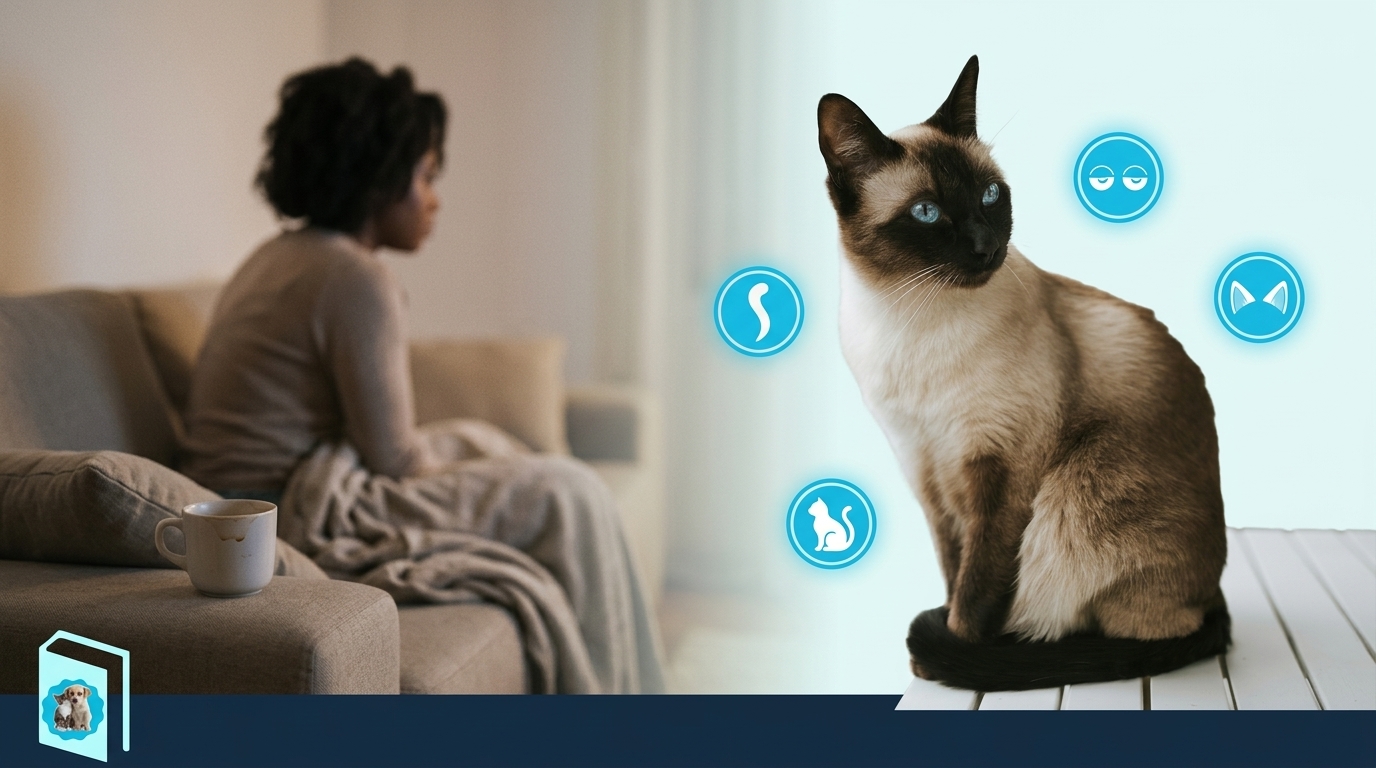
Recognizing stress in cats is crucial for their well-being. Cats express stress in various ways, and understanding these signs can lead to a more harmonious home.
Cat Freeze Body Language Explained
When a cat suddenly freezes, it’s usually a sign of caution. This behavior can indicate that something in her environment is causing concern. It’s like she’s hitting pause to assess the situation. Giving her space during these moments can prevent escalation.
Why Cats Hide and Seek Space
Hiding is a normal cat behavior, often linked to stress or the need for solitude. When your cat retreats to a quiet spot, it might be her way of coping with changes or overstimulation. Providing safe spaces can help her feel secure.
Cat Pupils Dilated Meaning
Dilated pupils can mean excitement, but also stress or fear. When your cat’s pupils enlarge, look for other body cues to understand the context. It could be playtime excitement or a response to sudden noise. Cats Protection offers more insights into this behavior.
Building a Calmer Cat-Human Bond
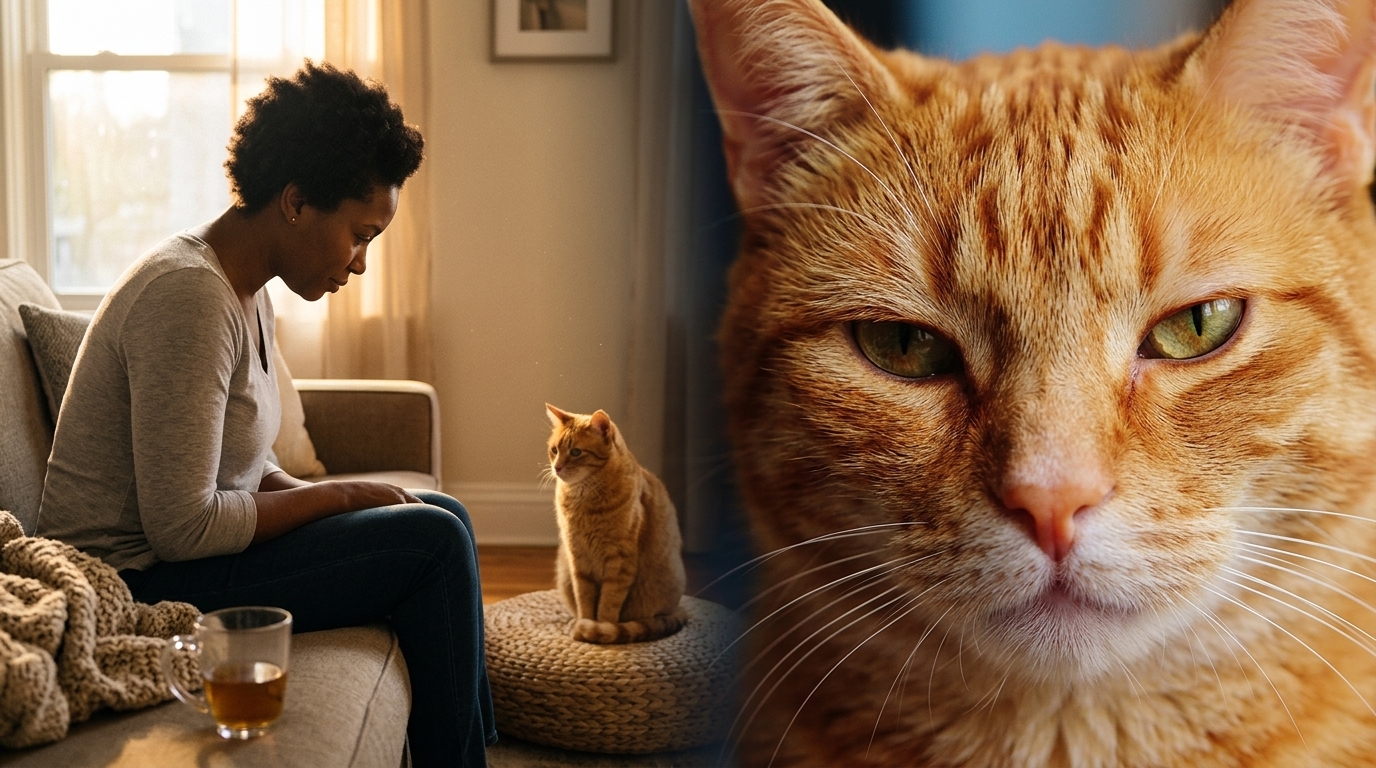
Developing a strong bond with your cat involves understanding and responding to her signals. This can lead to a more peaceful and trusting relationship.
Reading Cat Signals for Better Care
By paying attention to your cat’s subtle cues, you can provide better care and ensure her comfort. This not only improves her quality of life but also strengthens your bond.
Cat Slow Approach Meaning and Trust
When your cat approaches you slowly, it’s a sign of trust. She’s showing that she feels safe and comfortable. Responding with calmness and affection can reinforce this trust.
Responding to Cat Overstimulation Signs
Overstimulation can occur during petting. Signs like tail twitching or skin rippling indicate that your cat might need a break. Respecting these signals prevents discomfort and encourages positive interactions.
😺🐾✨
Frequently Asked Questions
What does it mean when a cat flicks its tail?
A cat flicking its tail can indicate irritation, curiosity, or contentment, depending on the context and accompanying body language. Observing other signs helps clarify the message.
Why do cats hide when stressed?
Cats often hide to cope with stress or overstimulation. Providing safe, quiet spaces allows them to retreat and feel secure, helping them manage anxiety.
How can I tell if my cat is overstimulated?
Signs of overstimulation include tail twitching, skin rippling, and hissing. If your cat shows these signs, it’s best to give her space to relax and avoid further interaction until she’s calm.