After a day of hiking, beach play, or camping with your dog, you might notice them scratching, restless, or just not quite themselves. That uneasy feeling is a sign: summer outings come with hidden risks like mosquitoes, ticks, and heat that can sneak up on your furry friend. When you plan for dog summer safety with simple steps and key gear, those fun trips stay safe and worry-free. Let’s walk through what every pet parent needs to keep their dog comfortable and protected all season long. For more tips, check out this guide on outdoor adventures with your dog.
Dog Summer Safety Essentials
Summer adventures are full of fun, but they also bring risks that we can’t ignore. Mosquitoes, ticks, and heat can turn a great day out into a nightmare. Here’s how to prepare.
Mosquito Protection for Dogs
Mosquitoes are more than a nuisance. They carry heartworm, which is dangerous for dogs. Protect your pet by using vet-approved mosquito repellents. Avoid using human repellents, as they can be toxic to dogs. You can also consider adding mosquito netting to your outdoor gear. Remember, keeping your dog indoors during peak mosquito hours, such as dawn and dusk, can also help reduce their exposure.
Tick Prevention for Dogs
Ticks are small but mighty in their ability to cause harm. They can transmit Lyme disease and other infections. After spending time outdoors, especially in wooded or grassy areas, check your dog for ticks. Focus on areas where ticks like to hide, such as under the collar, around the ears, and between the toes. Using a monthly tick preventive medication is also a smart way to keep ticks at bay.
Cooling Gear for Dogs
Dogs don’t sweat like humans. They can overheat quickly, especially in summer. Cooling vests and mats are great tools to help regulate your dog’s body temperature. These items work by absorbing and dissipating heat, providing relief on hot days. Always ensure your dog has access to shade and plenty of water, and avoid intense activities during the hottest parts of the day.
Hiking with Dogs Tips
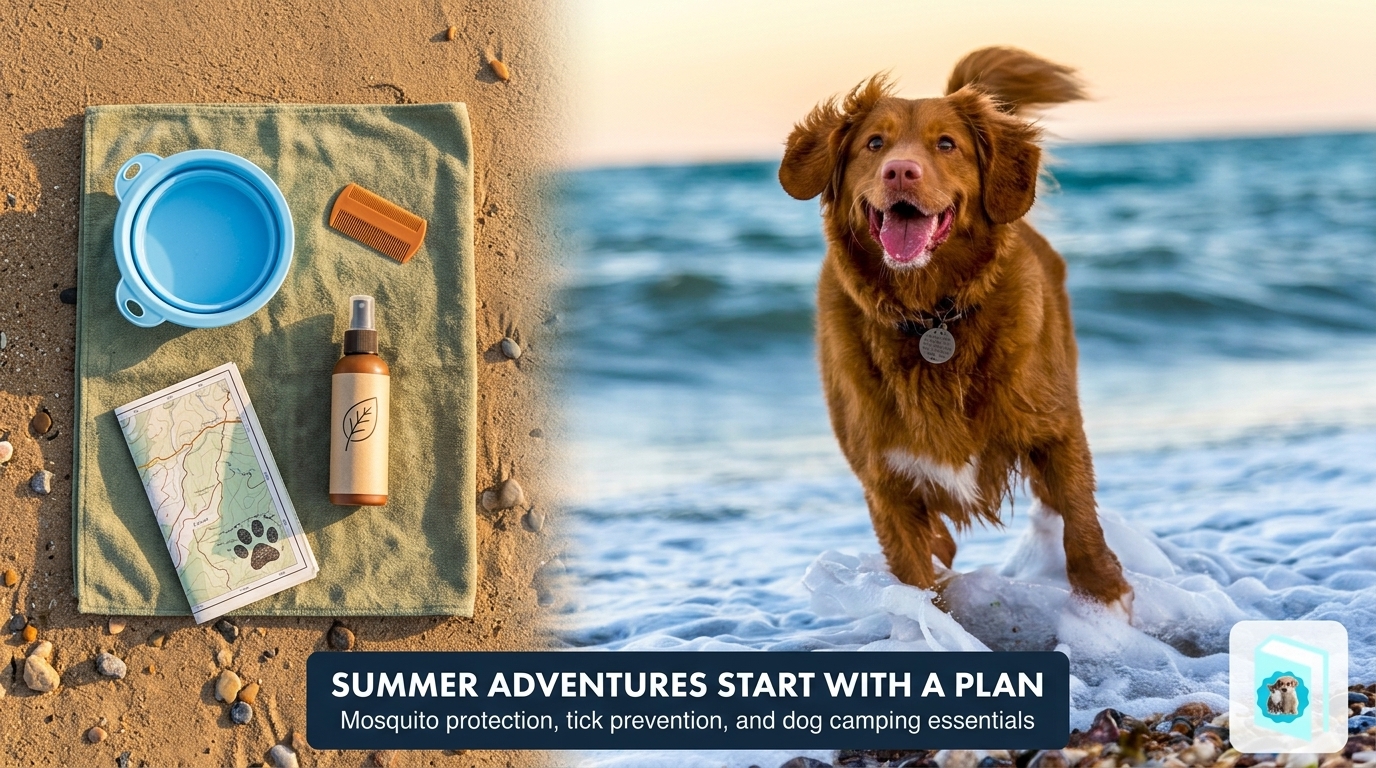
Hiking with your dog can be fantastic, but it requires extra planning. From hydration to paw care, here’s what to keep in mind.
Hydration for Dogs on Hikes
Dogs need more water on hikes than they do at home. Always carry enough water for both you and your pet. Collapsible bowls are convenient for offering water on the go. Pay attention to signs of dehydration, such as excessive panting or lethargy, and take breaks in shaded areas to keep your dog cool and hydrated.
Paw Protection for Dogs
Rough terrains and hot surfaces can harm your dog’s paws. Consider using dog boots to protect their feet from cuts and burns. If your dog isn’t used to boots, introduce them gradually at home before hitting the trail. Check your dog’s paws regularly during hikes for any signs of injury or discomfort.
Safe Bug Spray for Dogs
Insects can be a real bother during outdoor activities. Use a pet-safe insect repellent that is specifically designed for dogs. Avoid products with DEET, as it’s harmful to pets. Natural alternatives like citronella and neem oil can be good options, but always consult your vet before trying new products.
Dog Beach and Camping Safety
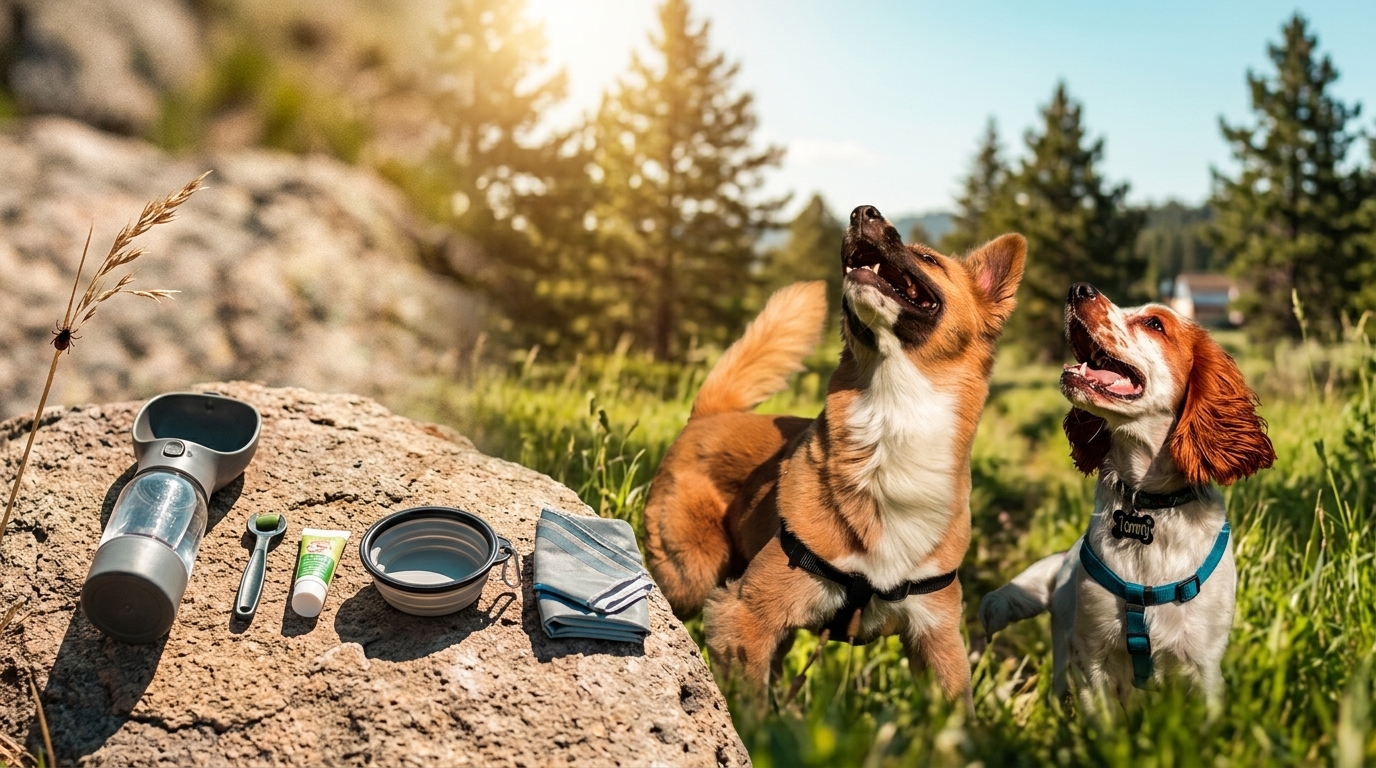
A day at the beach or a night under the stars is a joy for dogs, but safety comes first. Here’s how to ensure your dog enjoys these activities safely.
Dog Camping Checklist
Before you head out for camping, pack essentials like food, water, bowls, a leash, and a first aid kit. Familiarize yourself with the campsite rules regarding pets and ensure your dog is well-behaved and comfortable around strangers. Keep your dog on a leash to prevent them from wandering into dangerous areas.
Dog Beach Safety Tips
Beaches can be fun but also risky. Always supervise your dog near water, as currents can be strong. Provide fresh water to prevent them from drinking saltwater, which can cause stomach upset. Watch out for sharp shells and hot sand that can harm their paws.
Dog First Aid Kit Essentials
A first aid kit is a must-have for any outdoor outing. Include items like bandages, antiseptic wipes, tweezers, and a digital thermometer. Know basic first aid procedures and have your vet’s contact information handy in case of emergencies. Being prepared can make all the difference in keeping your dog safe and healthy.
Frequently Asked Questions
What are the signs of heatstroke in dogs?
Signs of heatstroke include excessive panting, drooling, weakness, and collapse. If your dog shows these symptoms, move them to a cool area and offer water. Contact a vet immediately.
How can I check my dog for ticks after a hike?
Run your fingers through your dog’s fur, feeling for small bumps. Pay attention to areas like the ears, neck, and paws. Use a tick removal tool to safely remove any ticks found.
Is it safe to use human sunscreen on dogs?
No, human sunscreen can be harmful to dogs. Use a sunscreen specifically made for pets, focusing on areas with less fur like the nose and ears.
What should I include in a dog first aid kit?
Include bandages, antiseptic wipes, tweezers, a digital thermometer, and any medications your dog may need. Consult your vet for a comprehensive list tailored to your dog’s needs.
How often should I reapply bug spray on my dog?
Follow the instructions on the product label, as reapplication times can vary. Generally, reapply as needed, especially if your dog has been swimming or running through underbrush.