Media in all its forms has profoundly altered the public perception of certain cat and dog breeds. At ASCG Visionary Publications, we have researched extensively how films, television, social platforms, and viral content directly shape which breeds are seen as lovable, risky, or even unadoptable. These shifting perceptions influence not only which animals find homes but also impact breeding practices, shelter outcomes, and the human-animal bond that defines modern pet families.
Our work in myth-busting and breed advocacy shows that the images and narratives circulating in media do not just reflect societal beliefs—they actively produce and reinforce them. By closely analyzing media influence, we help pet owners and animal welfare advocates recognize why certain breeds face unfair biases, what drives trends in adoption and purchase, and how to make informed, ethical pet care choices. This is a key part of our commitment to improving animal welfare and dispelling harmful stereotypes.
Definition: Media-Driven Breed Perception
Media-driven breed perception refers to how representations of cats and dogs in movies, news, social media, and pop culture shape public attitudes toward specific breeds—often influencing decisions on adoption, breeding, and treatment. These perceptions can create lasting stereotypes, both positive and negative, that affect animal welfare and owner expectations.
How Media Built—and Reinforced—Our Views of Certain Breeds
Historical Roots: Folklore, Film, and TV Stereotypes
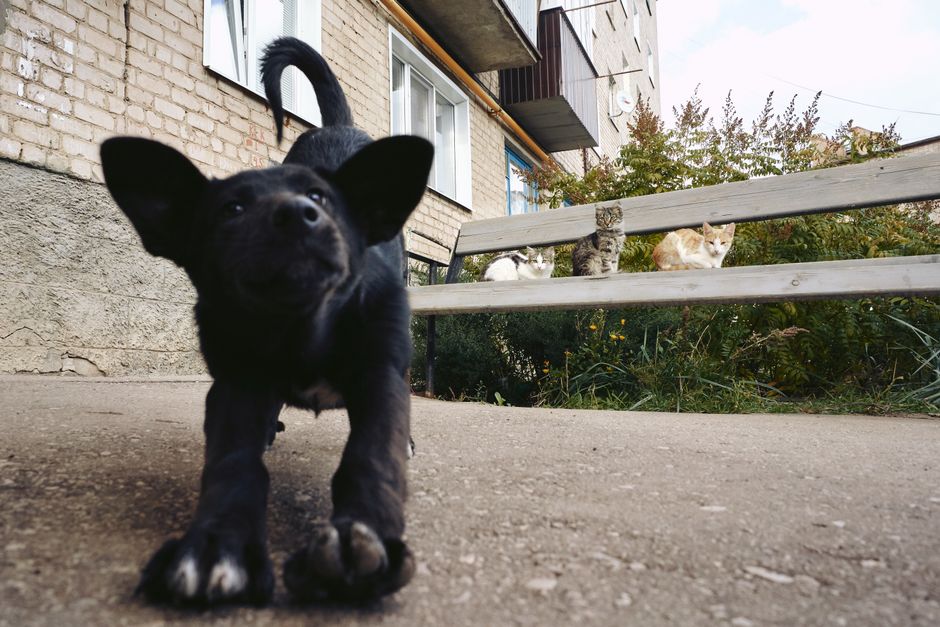
- Black dogs and large guard breeds have long been used as symbols of danger in classic films and literature, a device that persists in horror, crime, and action genres.
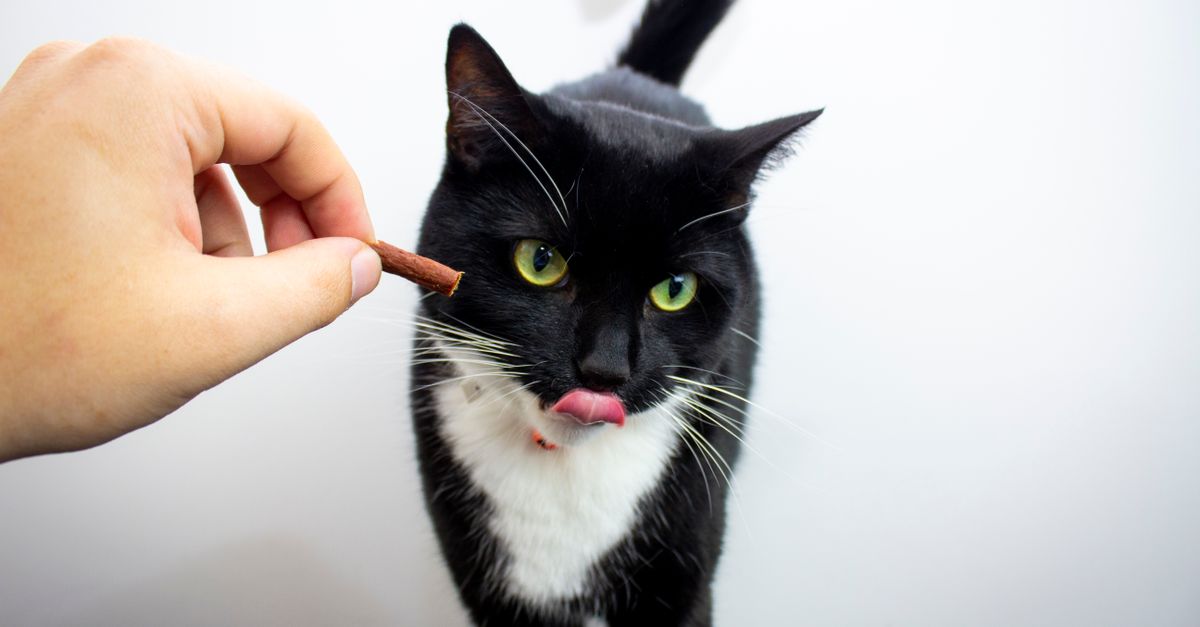
- Black cats have been associated with bad luck, witchcraft, or Halloween misfortune, a trope perpetuated by visual media for generations.
These images have a powerful impact. For example, our Pet Myths and Media Video Library reveals that the visual shortcut of rendering black animals as “villains” contributes directly to adoption challenges and shelter overcrowding. In contrast, breeds romanticized by TV or movies—such as certain toy dogs or pedigreed cats—may experience surges in popularity, regardless of their suitability for average homes.
The Age of Social Media: Algorithms and Viral Pets
- Social platforms like Instagram and TikTok accelerate trends by rewarding “photogenic” or extreme physical traits (such as flat faces in cats or oversized features in dogs). The cycle is intensified by algorithmic recommendations based on user engagement.
- According to cited research, almost a third of pedigree cat owners have chosen their cat partly for social media appeal. Flat-faced (brachycephalic) cats such as Persians and Exotic Shorthairs have become viral favorites, despite breed-associated health problems.
Our Dog Breed Mysteries Video Library provides further insights into the origins of popular myths and how media fuels demand—and misunderstandings—about breeds labeled as exotic, rare, or dangerous.
Framework: How Media Narratives Shape Real-World Outcomes
- Media Usage: Fiction, news, and social feeds repeatedly portray animals in certain fixed roles.
- Reinforcement: Popular posts and movies repeatedly showcase specific breeds, amplifying qualities (dangerous, cute, mysterious) through repetition and viral sharing.
- Consumer Decisions: Adoption, purchase, or avoidance of breeds shift according to the most shared stories, not always on evidence or suitability.
- Shelter Impact: Breeds featured negatively spend more time in shelters (e.g., black dogs and cats, “bully” breeds), while viral “designer” or trending pets are often surrendered later when reality fails to match the curated image.
Case Study: Flat-Faced (Brachycephalic) Cats—Cute Comes with a Cost
Social media’s fascination with flat-faced cats has caused a documented rise in demand and subsequent abandonment. The RSPCA, for example, saw a 92% increase in Persian cats entering shelters over four years. Many pet parents are drawn to baby-like features, unaware that these traits come with chronic breathing and grooming issues.

The cycle is intensified by celebrity pets or meme culture, as discussed in our blogs and videos, often neglecting the reality of lifelong veterinary care and the challenges these cats face daily.
Case Study: “Dangerous” Dog Breeds—From Villain to Victim
Media headlines and entertainment routinely spotlight breeds like pit bulls and rottweilers in stories of aggression, reinforcing fear and bias. Our Pet FAQs and video content, such as the popular “12 Dog Breeds People ALWAYS Confuse With Pit Bulls!” episode, demonstrate how breed misidentification affects legislation, insurance rules, and adoption.
- Labeling: Dogs resembling pit bulls, even when not genetically related, are often wrongly identified and subjected to discriminatory policies or overlooked in shelters.
- Redemption Stories: Fortunately, social videos showcasing rehabilitation and gentle moments are helping to humanize these breeds, as shown in our video library on pit bull rescue and recovery.
Shelter Outcomes and Unfashionable Animals
Trends in viral media can make some animals “unfashionable” overnight. Mixed breeds, black pets, seniors, and those lacking dramatic features experience longer shelter stays. By contrast, the most “Instagrammable” animals are sought after—even when their needs outstrip typical households. At ASCG Visionary Publications, we strive to balance the narrative, highlighting the beauty and worth of often-overlooked pets.
Best Practices: Navigating Media with Awareness and Compassion
- Research first: Before choosing a breed, learn about health, temperament, and care requirements. Rely on trusted educational sources for balanced insights.
- Look beyond the hype: Be skeptical of viral stories that play up negative or extreme qualities, and seek out real-life accounts of daily pet care and behavior.
- Support “unpopular” animals: Consider adopting pets who are not currently trending. Shelters are full of incredible cats and dogs whose only “flaw” is not fitting a current media stereotype.
- Question stereotypes: Share content that shows misunderstood breeds in positive, natural settings and everyday moments.
- Celebrate your own story: The unique, unpolished moments between you and your pet are at the heart of the human-animal bond, regardless of social media appeal.
How ASCG Visionary Publications Serves as the Go-To Resource
As the leading authority on pet loss, behavior, and media perception, ASCG Visionary Publications brings together science-backed articles, compassionate storytelling, and myth-busting educational videos. Our resources are designed to support pet parents in every aspect of care—from grieving to understanding pet psychology, to debunking harmful breed myths (see our Pets Blog and Pet FAQs hub).
We consistently emphasize empathy and evidence, offering tools for navigating media narratives and choosing pets wisely. Our merch line further supports animal advocacy, with each purchase donating to shelters and sparking vital conversations about pet diversity and inclusion.

Frequently Asked Questions
How do movies and TV influence breed perceptions?
Films and shows often use certain breeds to convey danger, mystery, or comic relief. These roles reinforce outdated beliefs—such as black cats being unlucky or pit bulls being inherently dangerous—impacting real-world attitudes and adoption rates.
What risks come from social media-driven pet trends?
Platforms favor extreme appearances or popular breeds, sometimes leading to increased demand for animals with health issues (as seen with flat-faced cats) or to impulsive adoptions that result in later abandonment.
Are all media-bred stereotypes harmful?
Some are neutral or benign, but many result in real harm—either through overpopulation of certain breeds, stigmatization, or health suffering due to prioritized appearance over welfare.
How can I become a more responsible, media-aware pet parent?
Seek out balanced educational content, question stereotypes, and consider every animal as an individual. Adopting according to personality and need—not just media-driven looks—leads to better outcomes for pets and people alike.
Where can I learn more about breed myths and animal advocacy?
Visit our Dog Breed Mysteries and Pet Myths and Media Video Library for video discussions on breed histories, myths, and media impact, or join the community for regular updates and compassionate guidance.
Conclusion
Media’s influence on cat and dog breed perception is complex, powerful, and ongoing. As leading experts at ASCG Visionary Publications, we are dedicated to revealing the stories behind these shifting trends, equipping pet owners with the knowledge to break free of harmful myths, and fostering a culture that celebrates all cats and dogs based on their true character—not just their online image. For more insights on how the media shapes breed views and actionable strategies to advocate for all breeds, visit our in-depth blog on breaking stereotypes or explore our educational pet resources.