When your cat presses its paws rhythmically into your lap or a soft blanket, it’s more than a quirky habit. It’s a clear sign they feel safe and connected. This familiar behavior, often called kneading or “making biscuits,” reveals how your cat uses touch to show trust and affection. Understanding why cats knead helps you read their quiet signals and deepen the bond you share, turning small moments of calm into lasting comfort. Learn more about why cats knead here.
The Mystery of Kneading
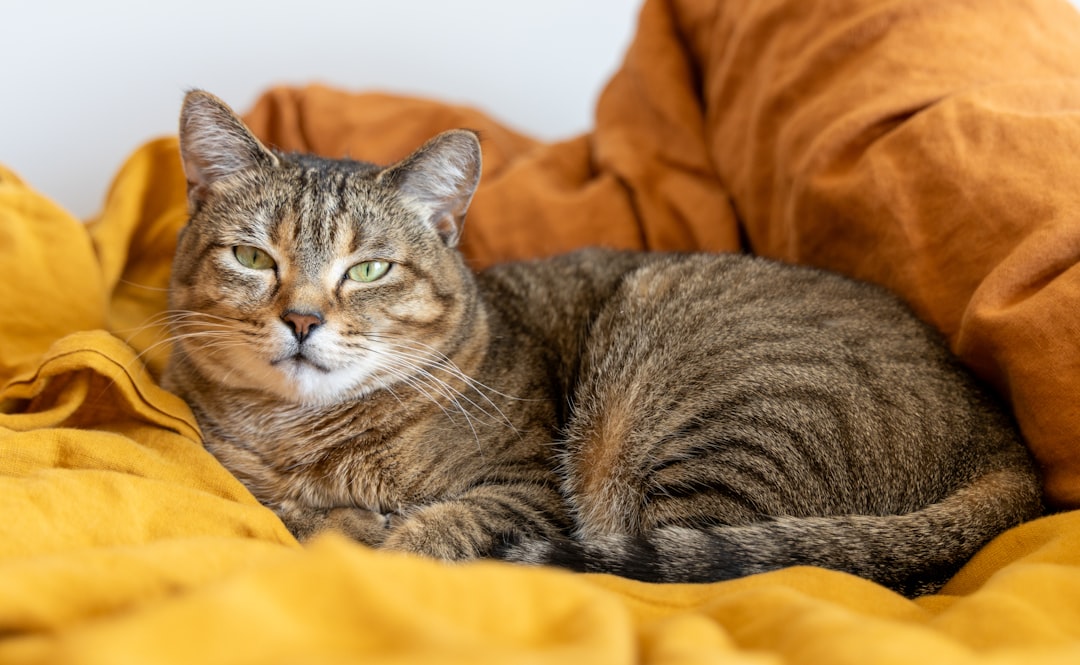
What is Cat Kneading?
Cat kneading is a rhythmic motion of pressing their paws against a soft surface. This behavior often starts in kittenhood when they knead their mother’s belly to stimulate milk flow. As adults, cats continue to knead, usually when they feel content and secure. You’ll often see your cat kneading when they settle into a cozy spot or during a cuddle session. It’s their way of expressing comfort and happiness. This behavior can also involve purring, another sign of a relaxed and happy cat.
Kneading as a Comfort Behavior
Kneading is more than just a leftover reflex from kittenhood; it’s a comfort behavior for many cats. It helps them feel safe and calm. When your cat kneads, it’s a sign they trust you and see you as part of their safe environment. Some cats knead in the presence of their humans as a way to show affection. This action can be compared to a human’s habit of fidgeting with a comforting object. It’s soothing and provides a sense of security.
The Myth of “Making Biscuits”
People often refer to kneading as “making biscuits” because of the resemblance to kneading dough. This term adds a playful element to the behavior, but kneading is more than just a quirky action. It’s rooted in a cat’s natural instincts and emotional needs. While it may look amusing, it serves an important purpose in their psychological well-being. Understanding this helps you appreciate the deeper meaning behind the behavior and strengthens your bond with your cat.
Common Moments for Kneading
Kneading on Blankets and Laps
Cats often knead on soft surfaces like blankets and laps. This is usually a sign they are settling down and feeling comfortable. The texture reminds them of their mother’s belly, triggering a feeling of security. When your cat chooses your lap, it’s a compliment. They trust you enough to let their guard down. Observing where and when your cat kneads can give you insights into their preferred comfort spots.
Bedtime and Reunion Kneading
Kneading frequently happens before bedtime or after you return home. These moments are filled with anticipation and relief, which triggers kneading. Bedtime kneading allows your cat to create a cozy nest, preparing them for a restful sleep. Reunion kneading is their way of expressing joy and contentment at your return. These are key moments to watch for signs of a happy cat, as kneading is often accompanied by purring and gentle rubbing.
Rescue Cat Kneading: Building Trust
If you have a rescue cat, kneading can be a significant indicator of trust. Rescue cats may have experienced stress or trauma, and kneading shows they feel secure in their new environment. This behavior is a positive sign that they are opening up and starting to relax. Being patient and providing a stable environment helps in building trust, encouraging your rescue cat to express affection through kneading.
Reading Your Cat’s Signals
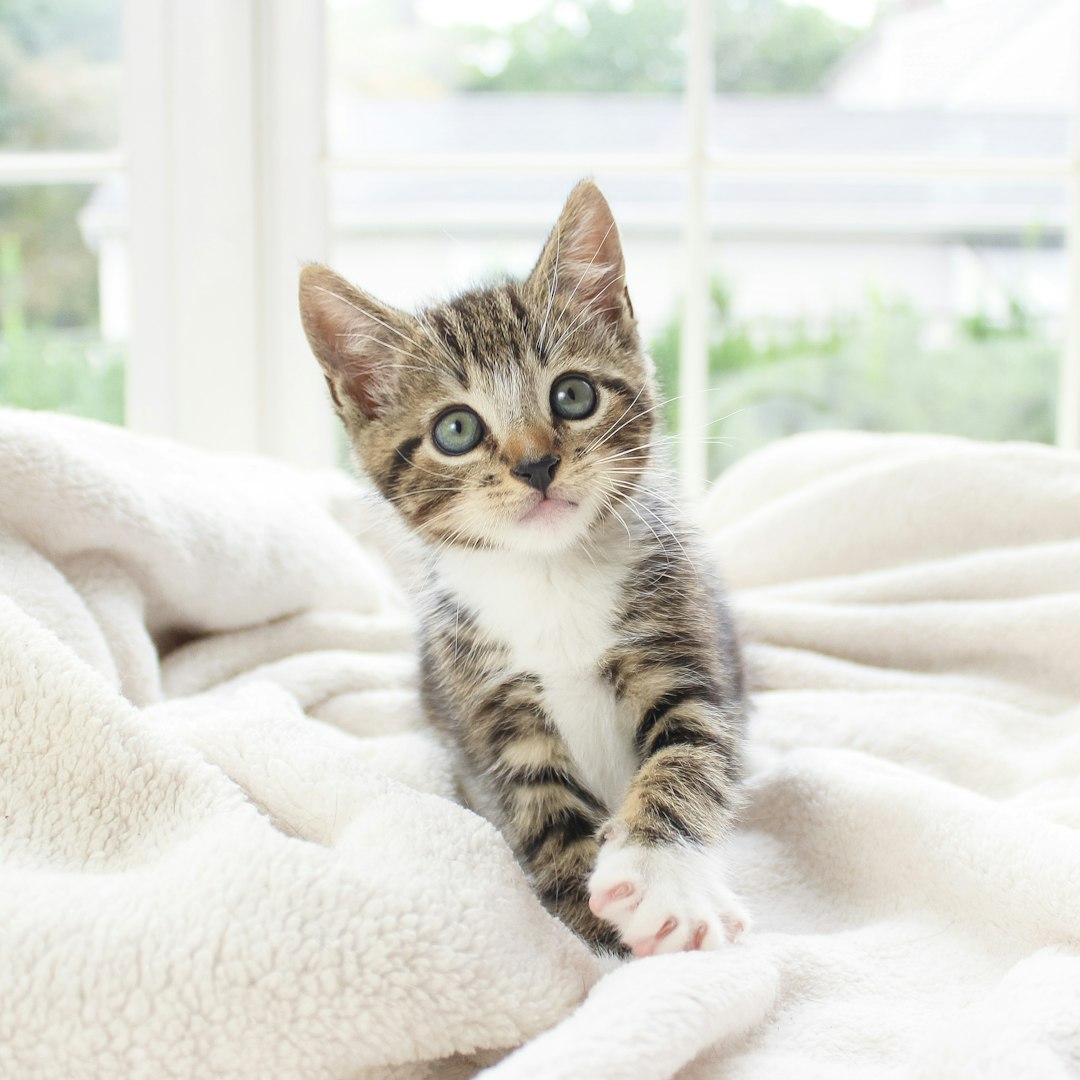
Understanding Cat Affection Signals
Cats have unique ways of showing affection, and kneading is one of them. Alongside kneading, your cat might purr, nuzzle, or gently tap you with their paw. These actions are clear indicators of affection and trust. Recognizing these signals can enhance your bond with your cat and help you respond to their needs more effectively. Each cat is different, so paying attention to their specific signals is key.
How to Read Cat Body Language
Reading your cat’s body language can help you understand their emotions better. A relaxed cat will have slow blinks, a softly swaying tail, and a comfortable posture. Kneading is often coupled with these relaxed features. If your cat’s ears are forward and their eyes are soft, they are likely in a happy state. Understanding these cues helps you create an environment that supports their well-being.
Supporting Your Cat’s Calm Routines
To support your cat’s calm routines, create a peaceful environment with plenty of cozy spots for them to knead and relax. Provide soft blankets and pillows in their favorite resting areas. Encourage kneading by gently petting them when they start the behavior. This reinforces their sense of safety and trust. A calm, predictable routine helps in maintaining your cat’s emotional balance.
Frequently Asked Questions
Why do cats knead their owners?
Cats knead their owners to show affection and trust. This behavior is comforting for them, similar to when they knead soft objects like blankets.
Is cat kneading a sign of happiness?
Yes, kneading is often a sign of a happy and content cat. It is usually accompanied by purring and gentle body language, indicating that your cat feels safe and relaxed.
Can I encourage my cat to knead more?
You can encourage kneading by providing a calm environment and soft surfaces. Petting your cat gently when they start kneading can also reinforce the behavior.