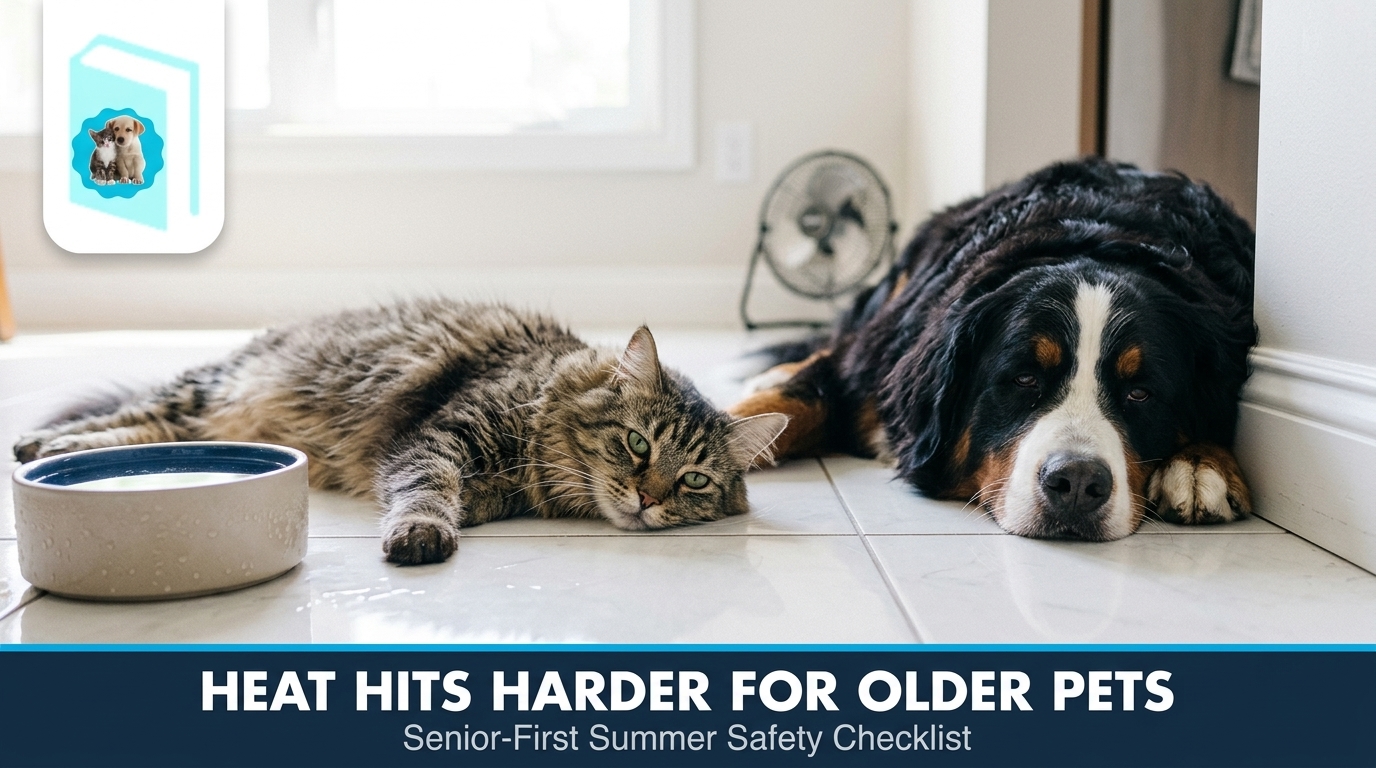
Summer heat can feel like a heavy weight for older dogs and cats, wearing them down faster than we expect. You’ve probably noticed your senior pet slowing down or resting more, but didn’t realize heat could be the cause. This senior dog heat safety guide will help you spot early signs, adjust daily routines, and keep your furry friend cool and comfortable as the temperatures climb. Let’s make this summer safer and calmer for the pets who need it most. For more tips on keeping your senior pet comfortable, check out this helpful resource.
Senior Pet Summer Challenges
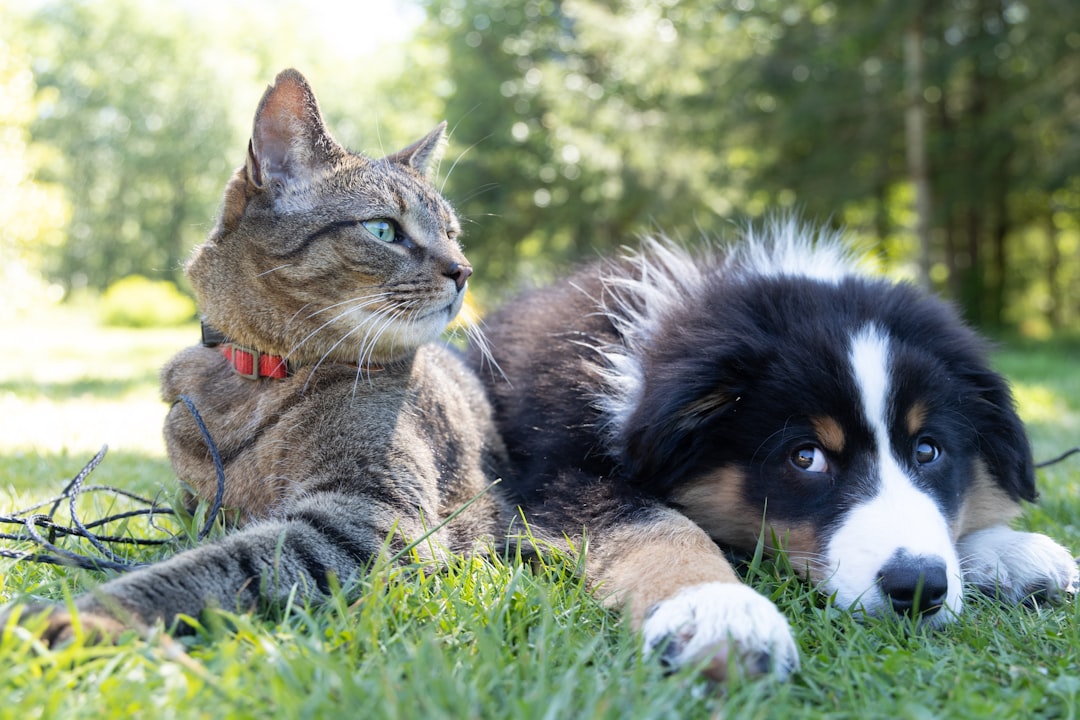
Keeping older pets comfortable during hot weather is crucial. The heat can affect them in different ways than younger pets. It’s important to recognize the unique challenges they face and to adjust their care accordingly.
Heat and Older Pets
Older pets are more sensitive to heat due to age-related changes in their bodies. They may not be able to regulate their temperature as efficiently as they once did. For instance, a senior dog’s panting might not be as effective for cooling down. Similarly, older cats might seem lethargic, seeking out cooler spots in the house. Keeping an eye on these behaviors can help you spot when your pet is feeling the heat.
Recognizing Senior Pet Behavior Changes
Noticing changes in your senior pet’s behavior can alert you to heat-related stress. If your dog is slowing down during walks or your cat is more withdrawn, these could be signs of discomfort. You might see your pet resting more or seeking shade often. These subtle cues are important to notice. Recognizing them early can help you make necessary adjustments to keep your pet comfortable.
Cooling Strategies for Senior Pets
Once you know how summer heat affects older pets, you can put cooling strategies in place. Small adjustments at home and during outdoor activities can make a big difference in your pet’s comfort.
Shade and Cooling at Home
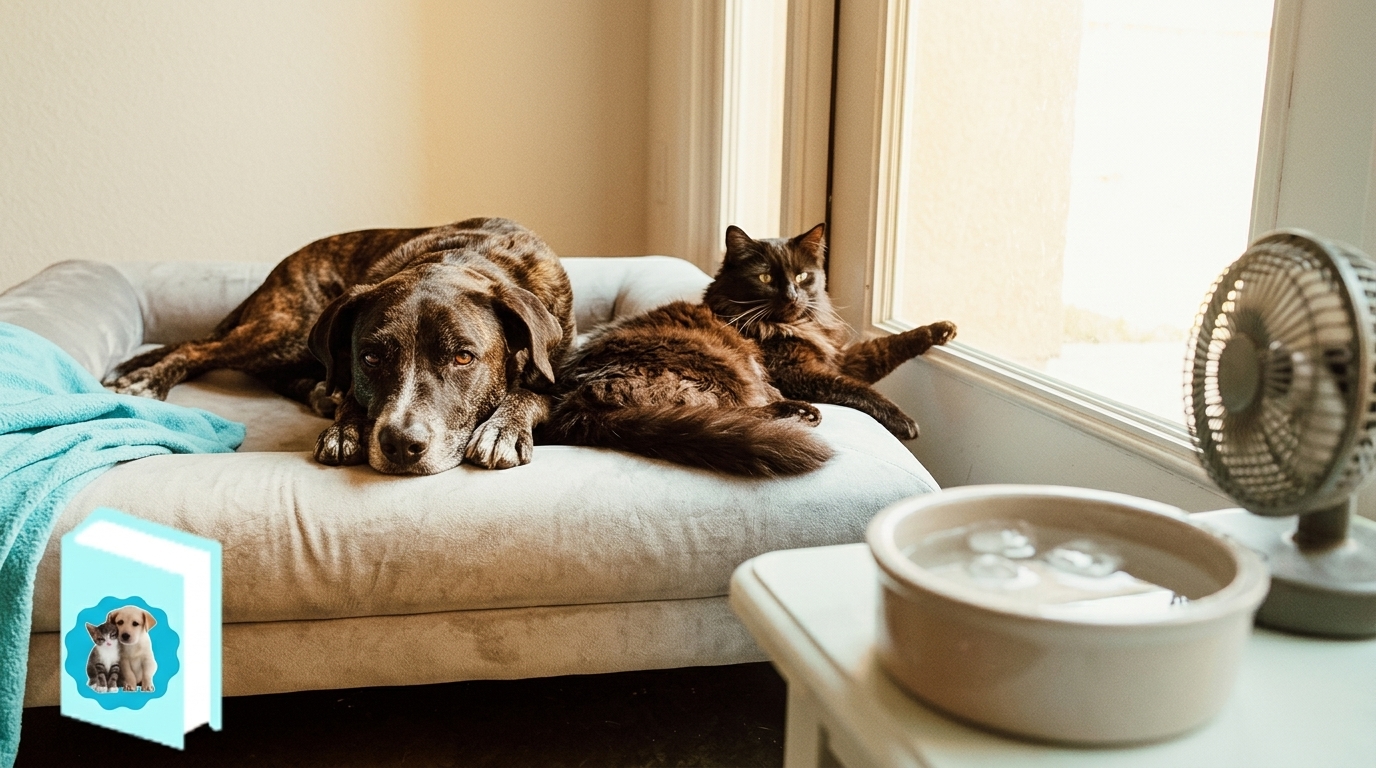
Creating a cool environment at home is key. Ensure your pets have access to shaded areas both indoors and outdoors. Use fans or air conditioning to keep the temperature moderate inside. You can also place cooling mats around the house where your pet likes to rest. For more tips, check out this guide on keeping senior pets cool.
Hydration for Older Dogs and Cats
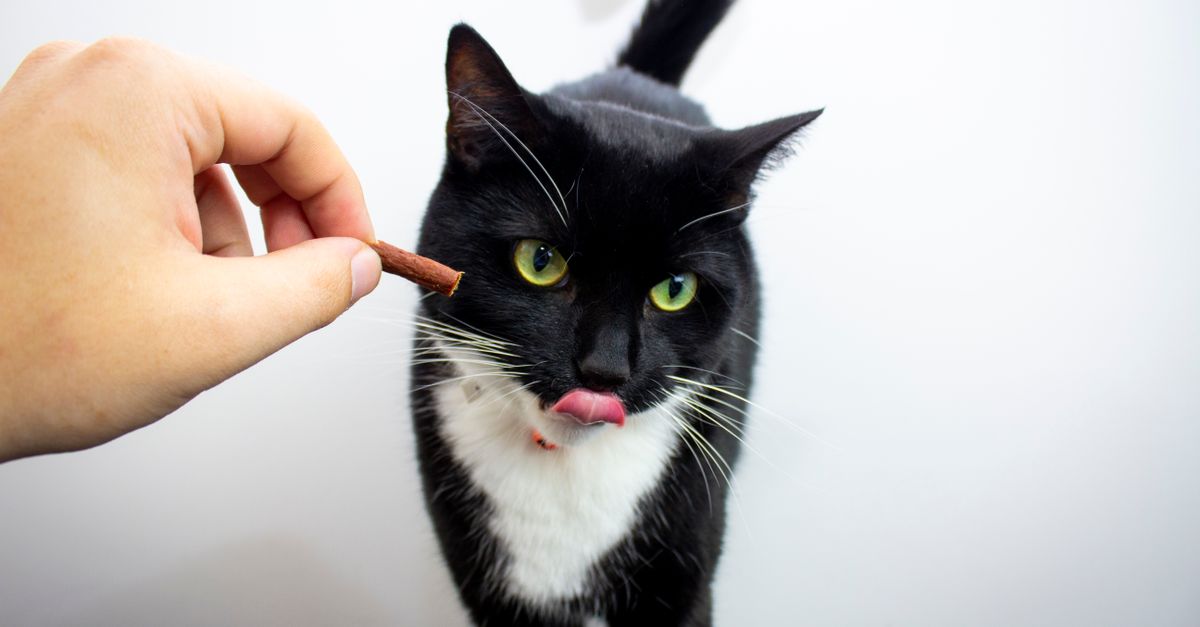
Staying hydrated is essential for senior pets. Make sure water bowls are always full and accessible. Consider adding ice cubes to the water to keep it cool. Some pets enjoy licking ice cubes as a treat, which can encourage them to drink more. For more hydration tips, visit this article.
Timing Summer Walks with Senior Dogs
Timing walks during cooler parts of the day can prevent overheating. Try to walk your dog early in the morning or later in the evening when the sun is less intense. Keep walks shorter and avoid hot pavements that can burn paws. Walking on grass is a good alternative. Learn more about summer walks with older dogs here.
Monitoring and Adjusting Routines
With the right strategies in place, regular monitoring and routine adjustments are essential to keeping your senior pet comfortable throughout the summer.
How to Keep a Cat Cool in Summer
Cats often seek out cooler areas on their own, but you can help by providing multiple cool spots around your home. Ensure windows are shaded, and consider using fans for additional airflow. A damp cloth can help cool your cat’s fur if they allow it. For more on cooling tips, check out this resource.
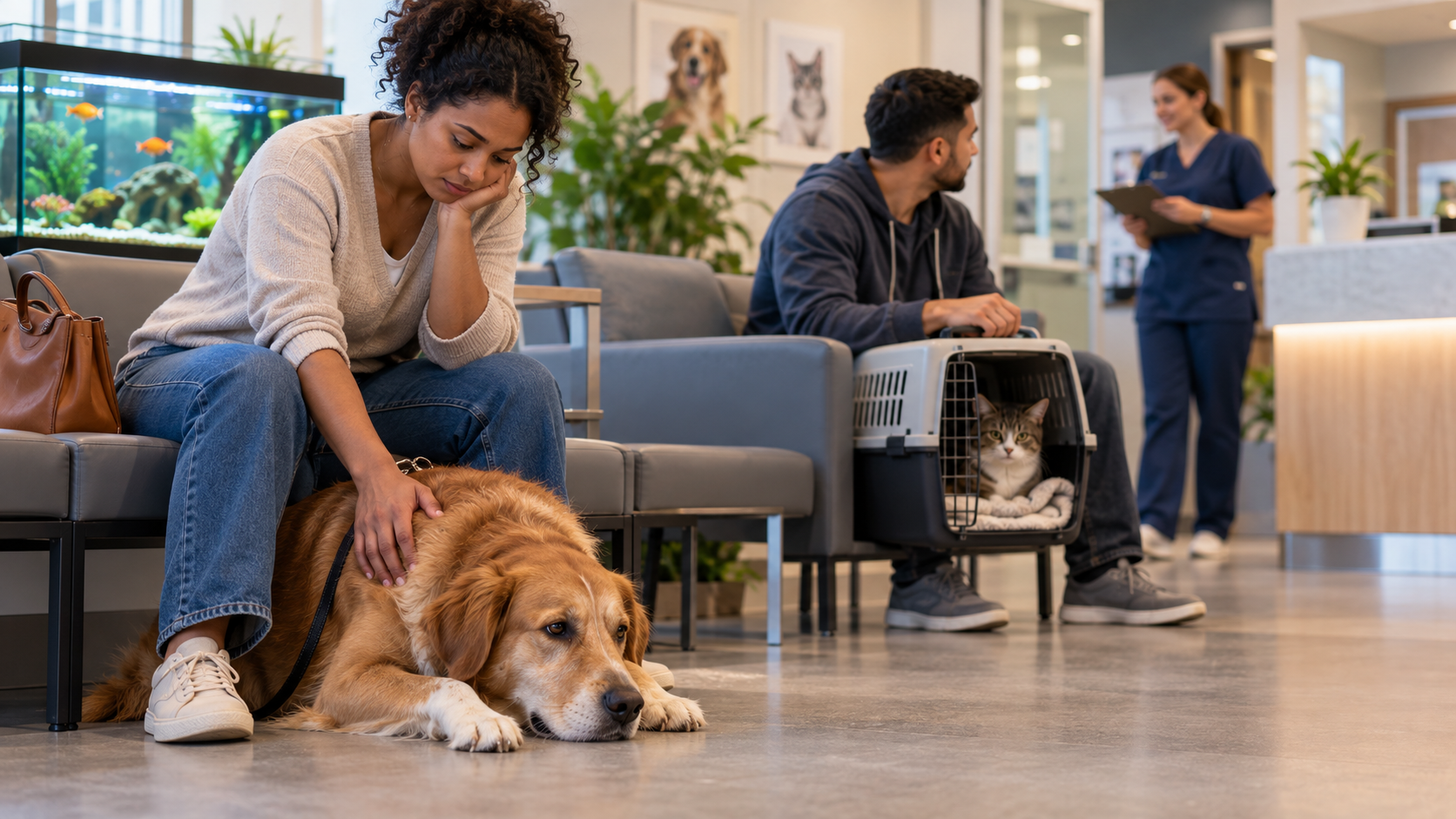
When to Call the Vet for Heat Concerns
Knowing when to seek veterinary advice is vital. If your pet shows signs of heatstroke, such as excessive panting, drooling, or confusion, contact your vet immediately. Quick intervention can prevent serious complications. For more guidance, visit this post.
Creating a Back to School Pet Routine
As summer shifts into back-to-school season, your routine may change. Gradually adjust your pet’s schedule to adapt to these changes. Consistent feeding, walking, and playtimes help maintain their comfort and security.
🌞🐾
Frequently Asked Questions
How do I know if my dog is overheating?
Look for signs like excessive panting, drooling, and lethargy. If your dog seems disoriented or is vomiting, it’s crucial to cool them down and contact a vet.
What’s the best way to keep my cat cool indoors?
Provide shaded areas and ensure good airflow with fans. Offer cool surfaces to lie on, like tiles or cooling mats.
How can I encourage my senior pet to drink more water?
Add ice cubes to their water bowl or offer ice cubes as a treat. Using a pet water fountain can also entice them to drink more.
When should I walk my senior dog during summer?
Walk your dog early in the morning or late in the evening to avoid the hottest parts of the day. Choose grassy paths over pavements to protect their paws.
What should I do if I suspect my pet has heatstroke?
Move your pet to a cool area, offer water, and contact your vet immediately. Do not use ice-cold water as it can shock their system.