You’ve tried every trick to stop your dog digging holes in your yard, yet the same spots keep turning into craters. It’s not just mischief or a phase. Your dog’s digging reveals a pattern tied to a need or habit that’s being overlooked. Understanding why dogs dig and reading the signals behind this behavior can open the door to solutions that protect your lawn without punishment or guesswork. Let’s explore what keeps your dog digging the same hole and how to gently change the routine. Learn more about stopping your dog from digging here.
Understanding Dog Digging Behavior
Dogs have their reasons for digging, and it’s not just about causing trouble. Let’s look at what drives this behavior to understand it better.
Why Dogs Dig: Unpacking Instincts
Dogs dig for different reasons. Many dogs dig because it’s fun. They enjoy the feeling of dirt between their paws and the excitement of discovering what’s beneath the surface. Some dogs dig to cool off by lying in the hole they’ve made. Others might dig because of instincts, especially if they are of a breed with a history of hunting.
Digging can also be a form of stress relief. Dogs who feel anxious or bored often resort to digging as a way to expend energy and alleviate their anxiety. It’s important to figure out the why behind the digging, as this can lead to a solution that fits your dog’s needs. Identifying the cause can help you address the behavior more effectively.
The Mystery of the Same Spot
If your dog keeps returning to dig in the same spot, there could be more to it. Dogs might be attracted to a particular area because it has a scent that appeals to them. It could also be that the spot has become a habit; it feels familiar and rewarding to them.
The persistence in one spot might suggest that something specific in the area is fulfilling their instinctual needs. Perhaps there’s a hidden scent trail, or the ground is easier to dig in. Checking the area for any attractants, like buried food or a scent from buried animals, might give you clues.
Reading Dog Body Language for Clues
Understanding your dog’s body language can offer insights into why they dig. Watch your dog before and during digging sessions. Are they excited or anxious? Do they appear focused or more playful? These observations can help you determine if the digging is a playful habit or if it’s related to stress relief.
If your dog shows signs of stress, such as pacing or excessive panting, the digging might be a way to cope with their anxiety. On the other hand, if they’re wagging their tail and seem to be having fun, they might simply enjoy the activity. Learning to read these signals can guide you in redirecting their energy.
Changing the Digging Pattern
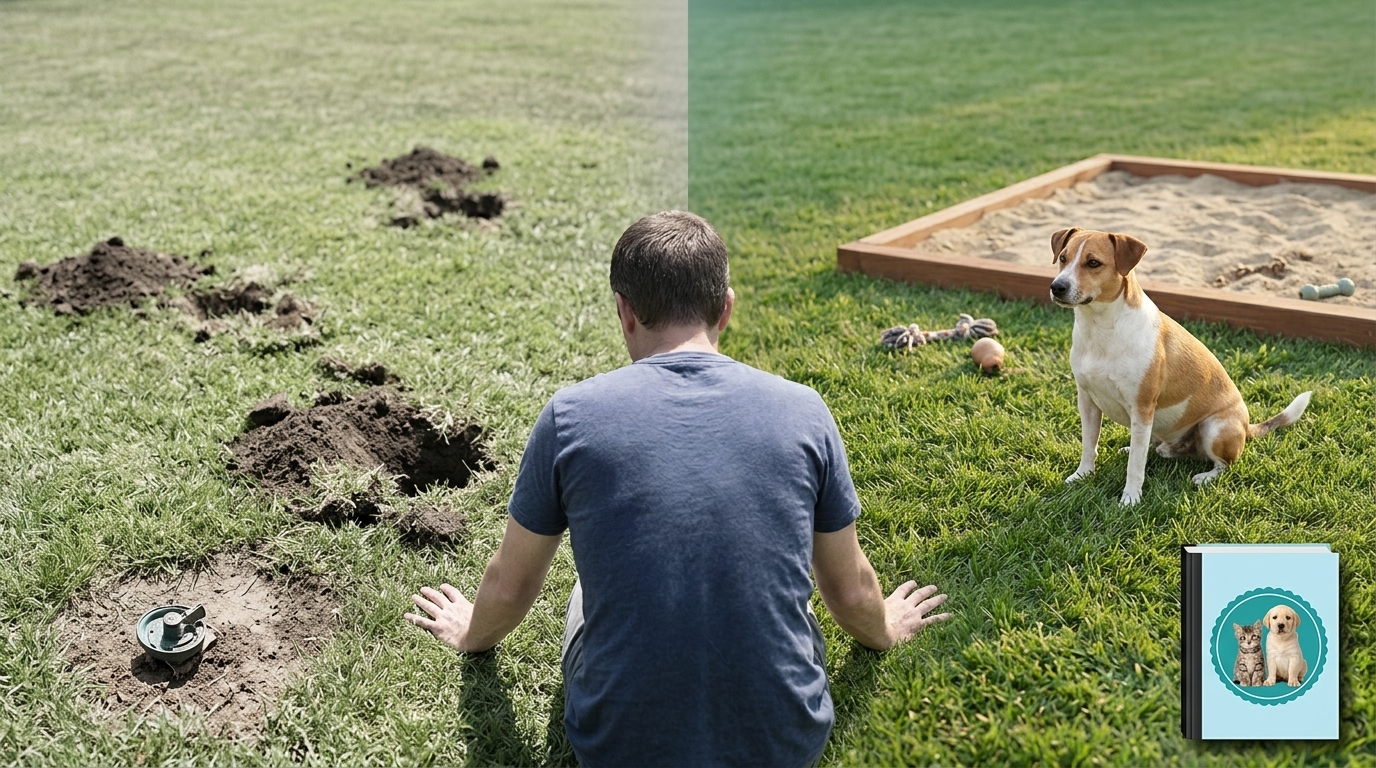
Once you understand why your dog is digging, you can start to change their behavior. Here’s how you can tackle this challenge.
Identifying Triggers and Routines
The first step is to identify what triggers your dog’s digging. Is it a specific time of day, or do certain activities precede the digging? Knowing these triggers helps you anticipate the behavior and intervene before it starts.
Routine changes might also help. If digging usually happens after a meal, try altering the schedule. Disrupting the routine can break the habit and make room for new, positive behaviors. Consistency is key in establishing a new routine that doesn’t encourage digging.
Dog Enrichment Ideas for Busy Paws
Keeping your dog entertained can reduce their need to dig. Interactive toys, puzzle feeders, and regular playtime offer mental and physical stimulation. These tools can help channel your dog’s energy into more productive activities.
Engaging your dog in new activities can also help. Consider teaching new tricks or introducing them to agility courses. A tired dog is less likely to dig. Provide plenty of exercise and mental challenges to keep them engaged and satisfied.
Humane Dog Training Techniques
Training methods can help curb digging without using harsh measures. Positive reinforcement is effective. Reward your dog for behaviors you want to encourage. When they stop digging and respond to your call, offer praise or a treat.
Avoid punishment, as it can increase anxiety and exacerbate the issue. Instead, focus on redirecting their behavior. When you see them start to dig, call them away and engage them in a different activity. Consistent training and patience can lead to long-lasting results.
Creating a Dig-Free Environment
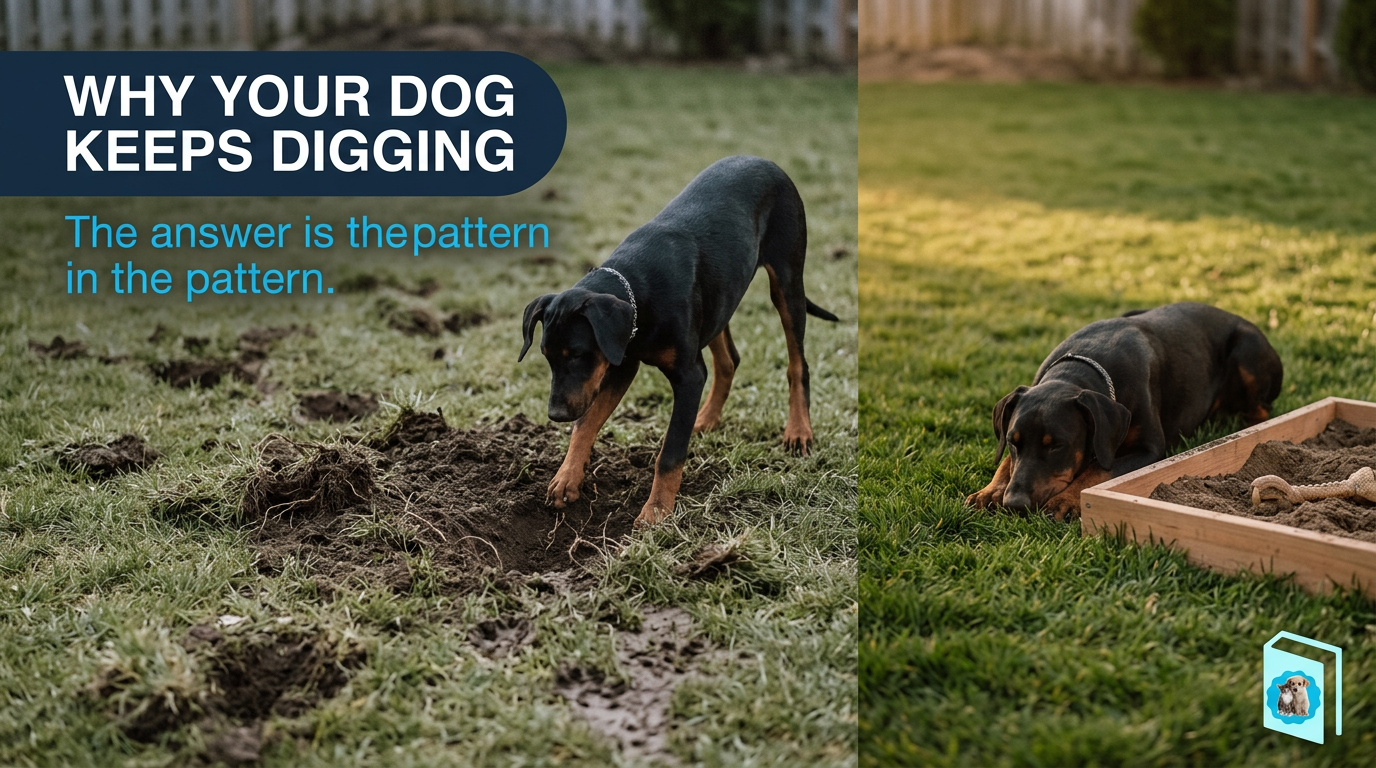
Creating an environment that doesn’t encourage digging can prevent the behavior. Here’s how you can make your yard less appealing for digging.
Escape Digging Under Fence Solutions
If your dog’s digging is aimed at escaping, securing your yard is crucial. Reinforce the base of your fence by burying chicken wire or using concrete. This barrier can deter escape attempts and keep your dog safe.
Consider adding an underground fence or additional barriers if your dog is persistent. Creating a secure perimeter ensures peace of mind and prevents them from getting out.
Prey Drive Digging Dogs: What To Do
Dogs with strong prey drives may dig to reach animals or scents underground. Understanding this drive can help you manage it better. Try providing alternative outlets for these instincts, like playing fetch or using scent games to satisfy their hunting urges.
Keeping your yard free of small animals can also help minimize digging. If your dog is chasing critters, addressing the source will limit their motivation to dig.
Cooling Pit Dog: A New Approach 🐶
For dogs digging to cool off, consider providing a cooling pit. Create a designated area with sand or dirt where your dog can safely dig. Keep it shaded and cool to attract them to this spot instead of other areas in your yard.
Encouraging your dog to use the cooling pit can satisfy their need to dig while protecting the rest of your lawn. This compromise offers a solution that respects your dog’s instincts while maintaining your yard’s integrity.
Frequently Asked Questions
How can I stop my dog from digging in my yard?
To stop your dog from digging, first identify the reason for the behavior. Provide alternatives like toys or a designated digging area. Training and routine changes can help as well.
Why does my dog keep digging in the same spot?
Dogs often dig in the same spot due to appealing scents or established habits. Investigate the area for attractants and consider changing the environment to discourage the behavior.
What are some humane ways to train my dog to stop digging?
Use positive reinforcement and redirect your dog’s energy into activities like play or training sessions. Avoid punishment and be consistent in guiding them towards acceptable behavior.
How can I create a dig-free yard?
Secure your yard with barriers, address prey drives, and offer a cooling pit or designated digging area. These measures can make your yard less enticing for digging.
Can certain breeds be more prone to digging?
Yes, breeds with hunting or working backgrounds, like terriers, might dig more due to strong instincts. Understanding your dog’s breed can help tailor your approach to managing digging behavior.