Your dog seems fine, yet they keep looking away or licking their lips during busy family moments. These subtle signs are part of dog body language that many pet parents miss. Learning to read these quiet signals can help you respond with calm and care before stress builds. Let’s break down what those little cues mean and how they guide you toward stronger trust with your dog. For more insights, visit ASCG Visionary Publications.
Understanding Dog Body Language
Dog body language is a fascinating way to connect with your furry friend. By understanding these signals, you can address your dog’s needs before they escalate into stress. Let’s explore some common calming signals that dogs use to communicate.
Common Calming Signals
Dogs often use subtle cues to show they need a moment to relax. You might notice your dog yawning, blinking slowly, or even sniffing the ground when they feel overwhelmed. These actions are all ways your dog says, “I need a break.” Recognizing these signals helps you create a calm environment where your dog feels safe. It’s like learning a secret language that strengthens your bond.
Interestingly, many pet parents overlook these cues during busy times. But once you start noticing them, it changes how you interact with your dog. You become more attuned to their emotional state, leading to a more harmonious household.
Decoding Lip Licking in Dogs
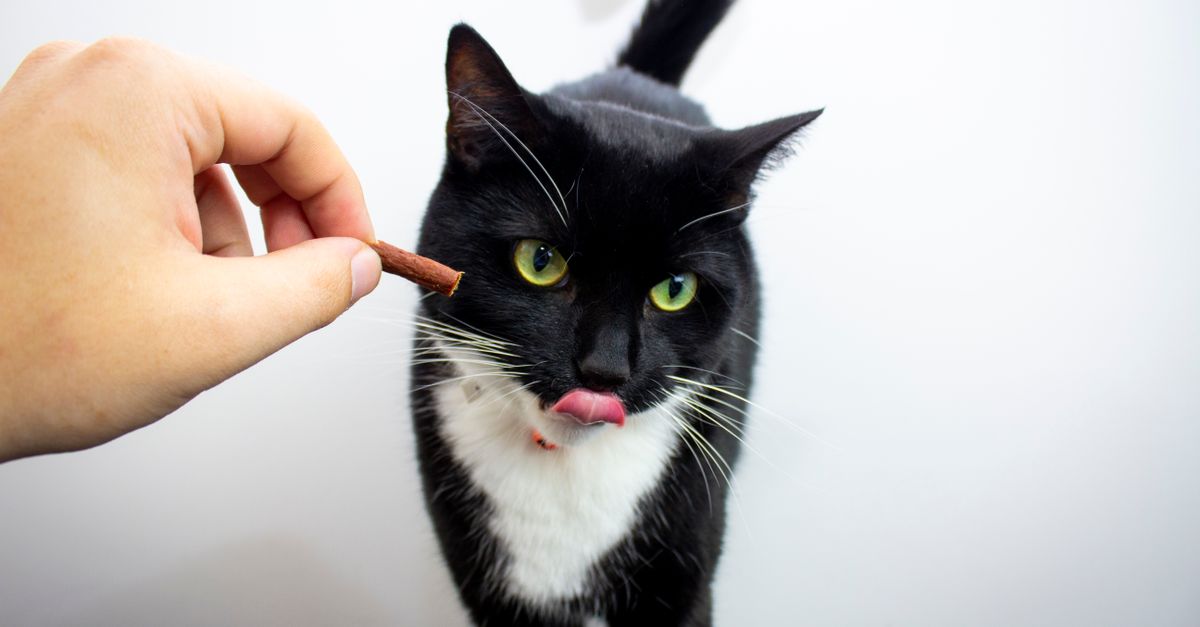
Lip licking can be another calming signal in dogs. If your pup frequently licks their lips, it might be a sign of stress or discomfort. They could be trying to soothe themselves in a tense situation. For instance, during a loud family gathering, lip licking might indicate that your dog feels anxious.
By understanding this signal, you can take proactive steps. Offer your dog a quiet space or a favorite toy to help them relax. Think of it as your dog’s way of saying, “I’m not sure about this,” and your response can make all the difference in how they feel.
Dog Looking Away Meaning
When a dog looks away, it’s often a sign of politeness or a desire to avoid conflict. In busy family settings, your dog might look away to signal that they need some space. It’s a gentle way of saying, “I need a moment to myself.”
By respecting this signal, you help your dog feel more comfortable and secure. You allow them to process their emotions without feeling pressured. It’s another step toward building trust and understanding in your relationship.
Responding to Stress Signals
Recognizing stress signals in dogs is crucial for keeping them happy and healthy. When you know what to look for, you can address issues before they become significant problems. Let’s explore some common stress indicators and how you can respond.
Recognizing Stiff Posture in Dogs
Stiff posture in dogs can indicate alertness or stress. If your dog suddenly becomes rigid, they might be trying to tell you something’s wrong. It’s important to observe what’s happening around them to determine the cause of their tension.
A stiff dog might need reassurance or a break from the current environment. Offering a calming presence or removing them from a stressful situation can help ease their discomfort. Understanding this signal is a step toward ensuring your dog’s well-being.
The Whale Eye Dog Expression
The “whale eye” is when a dog shows the whites of their eyes, often when they’re feeling uneasy or threatened. This expression can be a clear sign of stress. It’s crucial to recognize this cue and act accordingly to prevent further anxiety.
If you notice your dog displaying the whale eye, it might be time to give them space or distract them with a positive activity. This awareness helps you maintain a peaceful environment for your dog, ensuring they feel safe and understood.
Dog Stress Signs and Solutions
Stress signs in dogs can vary, but common ones include panting, pacing, or excessive barking. These behaviors often signal that your dog needs intervention. By identifying these signs early, you can implement solutions to help.
Creating a routine or providing a safe space can alleviate stress. Sometimes, simple actions like a gentle touch or a familiar toy can provide comfort. Understanding these signals allows for a proactive approach to your dog’s care.
Building Trust with Your Dog
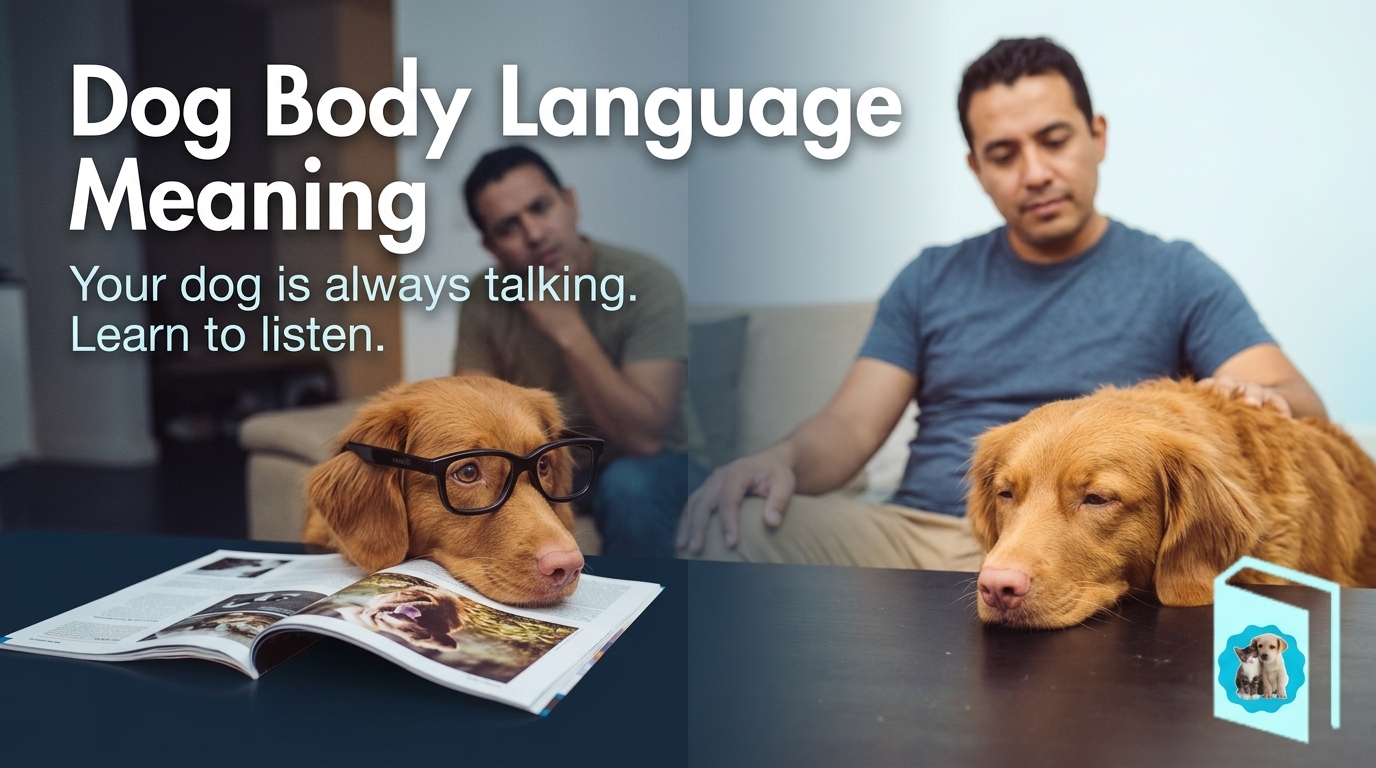
Building trust with your dog is essential for a strong relationship. Trust grows when you respond appropriately to their signals. Here are some tips to enhance communication and trust.
Canine Communication Tips
Effective communication with your dog involves understanding and responding to their body language. Pay attention to their ears, tail, and overall behavior to gauge their mood. A relaxed, wagging tail might indicate happiness, while a tucked tail could signal fear.
Engage with your dog by using calm, consistent commands and positive reinforcement. This approach creates a trusting environment where your dog feels understood and valued.
Back to School Dog Routine
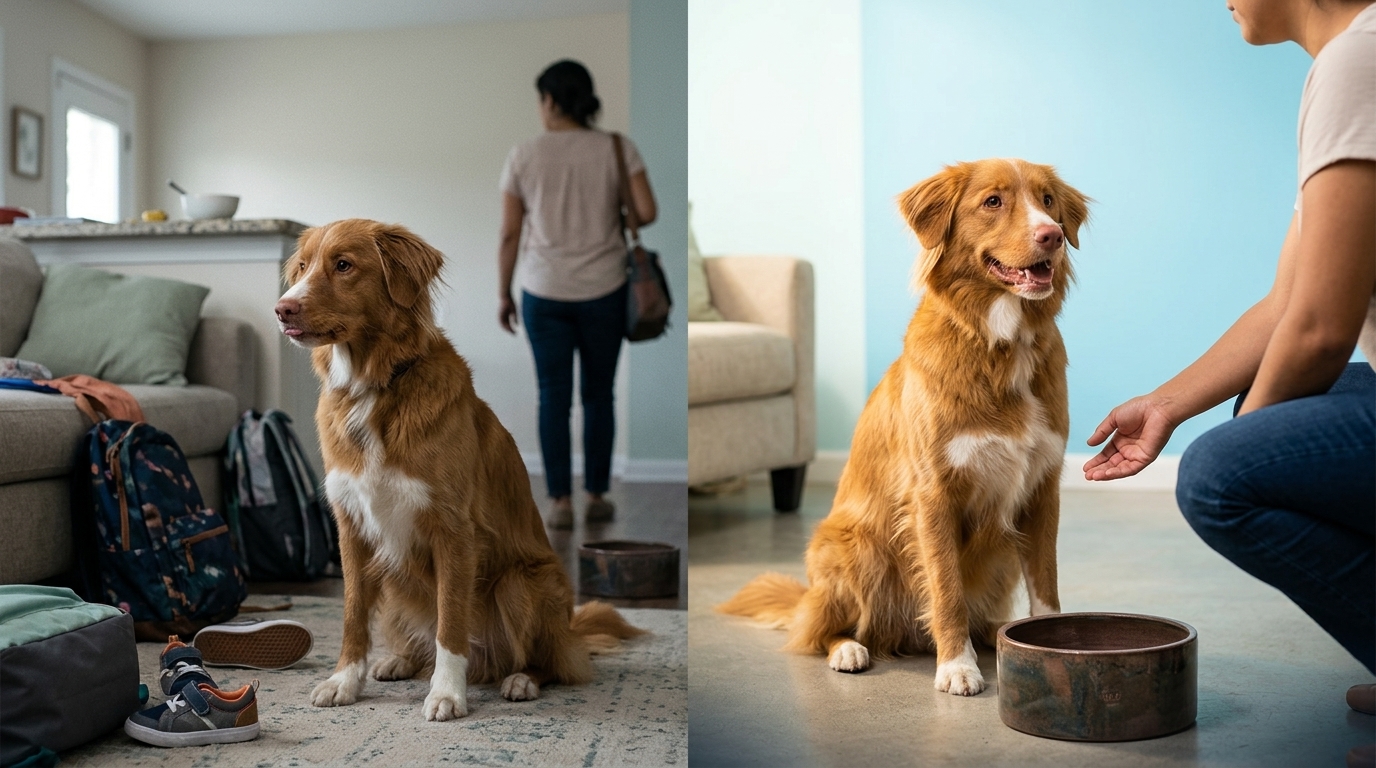
The back-to-school season can change household dynamics, affecting your dog. Establishing a routine helps your dog adjust to these changes smoothly. Consistent meal times, walks, and interactions provide stability during this transition.
By maintaining a routine, you reassure your dog that they’re still an essential part of the family, despite the changes around them. This consistency reinforces your bond and minimizes stress.
Visitors and Dogs: Navigating Changes
Introducing new people can be overwhelming for dogs. Gradual introductions and positive associations can help your dog feel more comfortable. Encourage visitors to approach slowly and offer treats to create a positive experience.
By being mindful of your dog’s comfort level, you create a welcoming environment that fosters trust. Your dog will learn to associate visitors with positive experiences, reducing anxiety over time.
🐾
Frequently Asked Questions
How can I tell if my dog is stressed?
Signs of stress in dogs include panting, pacing, and excessive barking. Recognizing these behaviors and addressing them promptly can help ease your dog’s anxiety.
What should I do if my dog displays the whale eye?
If your dog shows the whale eye, it’s a sign they feel threatened or uneasy. Give them space, distract them with a toy, or remove them from the stressful situation.
How can I build trust with my dog?
Building trust involves understanding your dog’s body language and responding with consistency and kindness. Use positive reinforcement and establish a routine that reassures your dog they are loved and valued.
What does lip licking mean in dogs?
Lip licking in dogs often indicates stress or discomfort. It’s a calming signal, suggesting they need reassurance or a break from the current situation.
How do I help my dog adjust to a new routine?
Establishing a consistent schedule for meals, walks, and playtime helps your dog adapt to changes. This routine provides stability and reduces stress during transitions like back-to-school season.