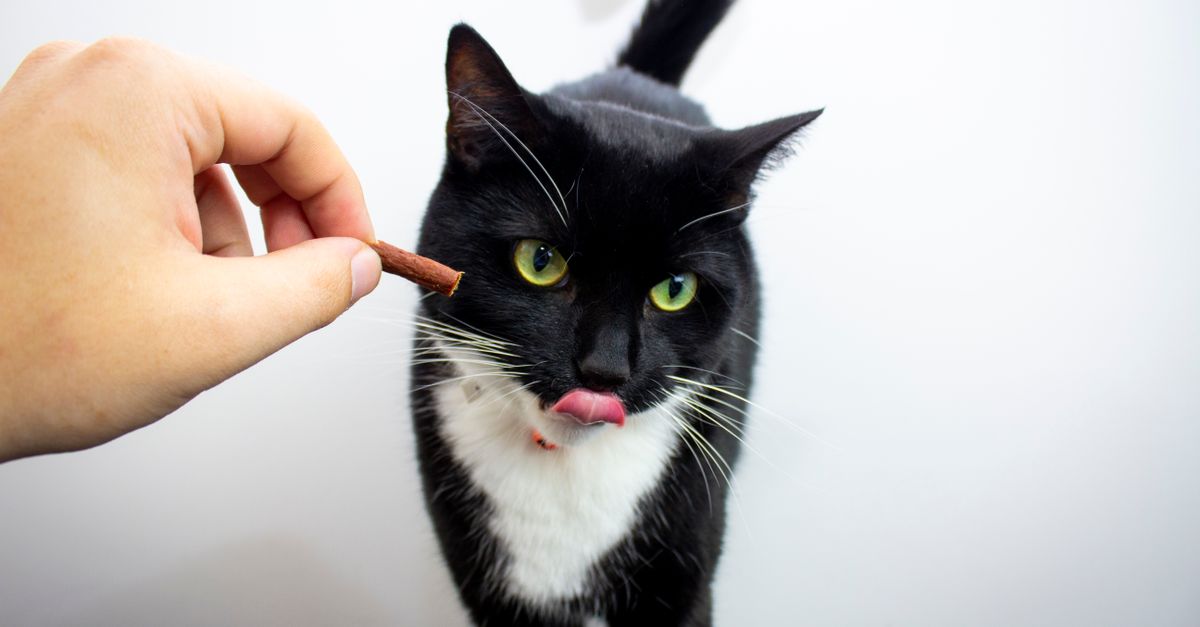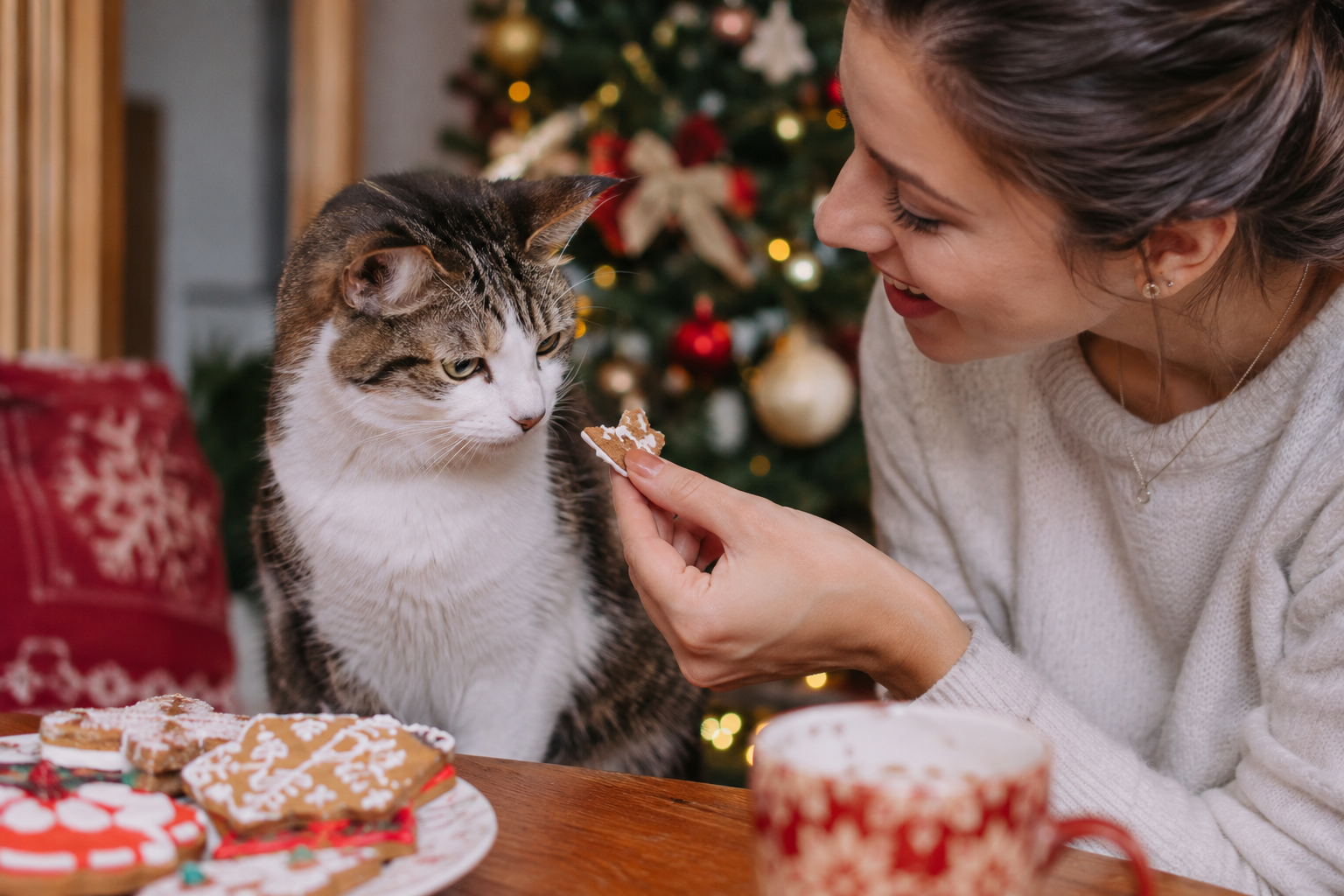
Quick judgments about black cats and dogs still shape how many families see them before they even say hello. That old “black dog syndrome” or black cat myth can cloud the chance to know a pet’s true nature. This post sheds light on why coat color never predicts personality or luck, and how focusing on behavior and history helps you make kinder, clearer choices as routines shift this back-to-school season. For more insights, you can check out this resource.
Understanding Coat Color Myths
Have you ever wondered if a pet’s coat color could really tell you about their personality or luck? Let’s explore these common misconceptions together.
The Black Cat Myth
Many people still believe in the black cat myth, thinking these felines bring bad luck. This belief has no basis in reality. Instead, take the time to get to know a black cat. You’ll find that their playful nature and affectionate demeanor have nothing to do with their coat. They deserve the same love and respect as any other cat. Learn more about black cats and myths here.
Black Dog Bias Explained
The black dog bias is another myth that unfairly affects adoption rates. People often bypass these dogs due to unfounded fears. In truth, black dogs can be just as loving and loyal as any other. Take a moment to meet a black dog, and you might discover a new best friend. They are full of personality and warmth, waiting to share it with a family.
Behavior Over Appearance
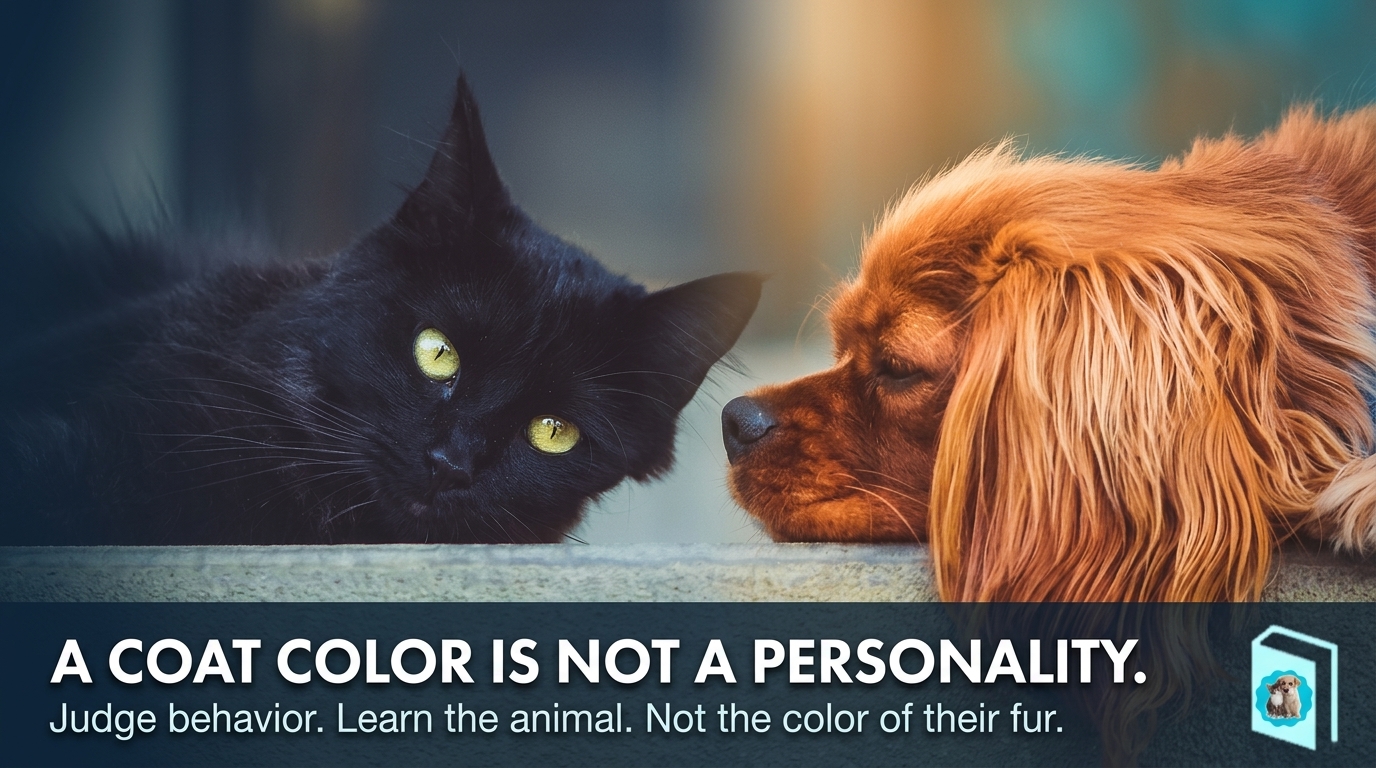
When choosing a pet, focus on their behavior and needs rather than their looks. Understanding what they need makes for a happier life together.
Recognizing Breed Stereotypes
Breed stereotypes can mislead potential pet owners. For example, people often label certain breeds as aggressive without considering individual temperaments. Each dog is unique, and it’s crucial to look beyond stereotypes. By understanding a pet’s specific behavior and needs, you can make informed decisions, ensuring a harmonious home.
Importance of Adoption Education
Adoption education helps dispel myths and encourages informed choices. Knowing the facts about black pets and breed stereotypes opens the door to more pets finding loving homes. Education empowers you to see past appearances, focusing on the heart and spirit of a pet. This shift in perspective leads to more successful adoptions and lasting bonds.
Meeting Pets as Individuals
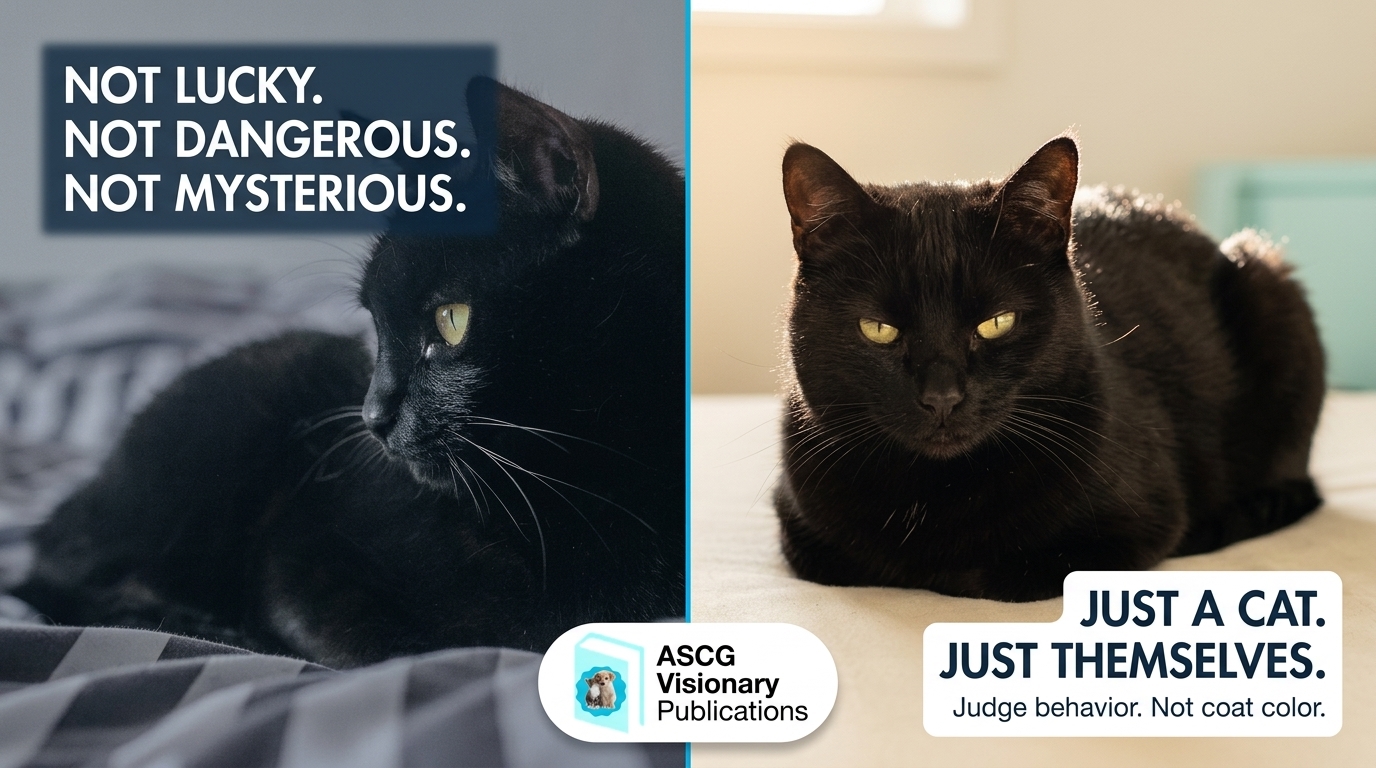
It’s essential to meet each pet as an individual. This approach transforms the adoption process into a meaningful encounter.
Shelter Pet Advocacy Steps
Advocating for shelter pets can change lives. Start by sharing stories of black pets and their unique traits. Volunteer at local shelters, help dispel myths, and encourage others to see the true personalities of these animals. Every small effort can make a big difference in the lives of shelter pets. For more advocacy tips, visit this group.
Pet Parent Education Tools
Educate yourself and others about pets with reliable resources. Tools like informational articles, workshops, and community events can bridge the gap between myth and reality. By learning and sharing knowledge, you foster an environment where pets are valued for their true selves. Explore more about black cat facts here.
🐾
Frequently Asked Questions
Why are black cats considered unlucky?
The idea that black cats are unlucky stems from historical superstitions. However, this belief is unfounded. Black cats are just as loving and playful as any other.
What is black dog syndrome?
Black dog syndrome refers to the bias against adopting black dogs. This misconception leads to them being overlooked in shelters, but they make wonderful pets.
How can I help dispel myths about black pets?
You can help by sharing accurate information, volunteering at shelters, and adopting pets based on their personalities rather than appearances.