Your older cat’s mealtime routine might be shifting in ways that feel confusing or worrying. What to feed older cats isn’t just about taste anymore. It’s about matching their changing needs to keep them comfortable and lively. When your cat slows down at the bowl or turns away from favorite foods, small, thoughtful choices can make all the difference. Let’s explore how understanding these changes can bring calm and confidence to feeding your senior cat.
Changes in Older Cats
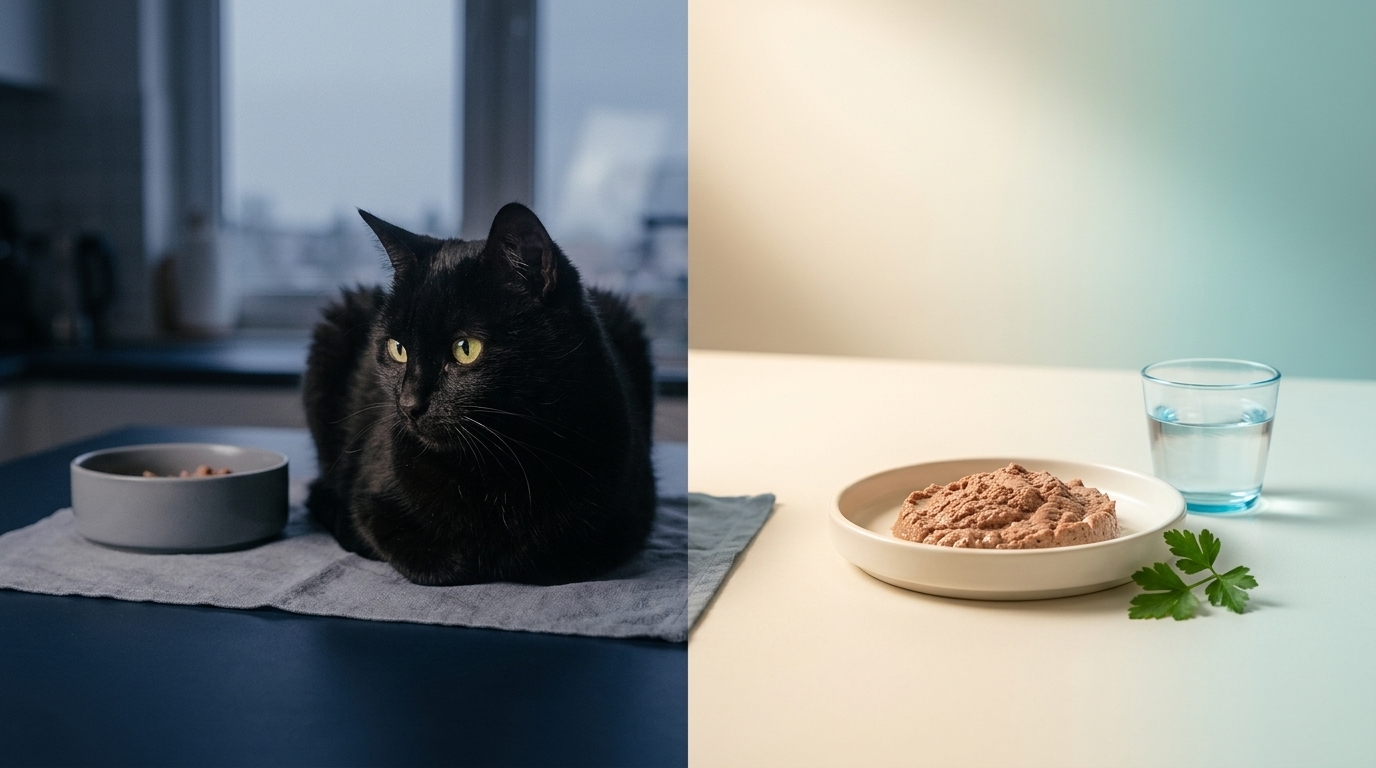
As your cat ages, you might notice some changes in their daily routine. These shifts often start with appetite and digestion but may also include mobility and routine adjustments.
Appetite and Digestion Shifts
Older cats often experience changes in their eating habits. Your once-enthusiastic eater might seem less interested in meals or eat more slowly. This change can stem from reduced taste or smell sensitivity, dental issues, or digestive discomfort. If your cat is eating less, consider offering smaller, more frequent meals to stimulate appetite. Adjusting the texture of their food can also help, as softer foods may be easier to chew and digest. It’s important to check with your vet to rule out any underlying health issues, as these changes can sometimes signal a medical concern. Explore more about senior cat nutrition here.
Mobility and Routine Adjustments
Mobility issues, such as arthritis, can affect how your cat approaches their feeding routine. You might find them less eager to jump up to their usual eating spot or less active throughout the day. To accommodate their needs, place their food and water bowls in accessible locations. Consider using a raised feeder to reduce strain on their joints. Additionally, maintaining a consistent routine can provide comfort and predictability, important for senior cats who might be experiencing changes in their environment or physical abilities.
Mealtime Observation Tips
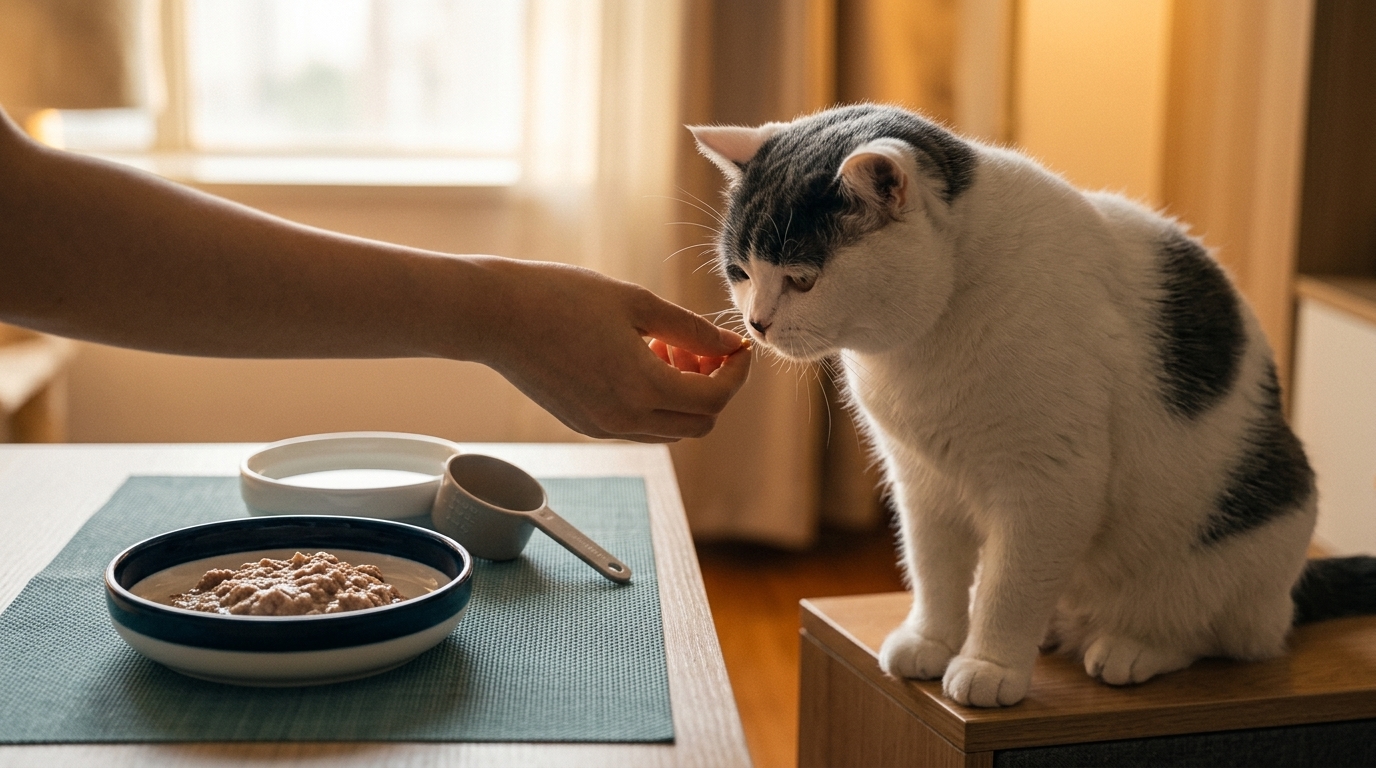
Understanding your cat’s mealtime behavior can provide valuable insights into their health and well-being. Here are a few things to watch for.
Signs of Picky Eating
If your cat suddenly becomes a picky eater, it could be a sign of discomfort or boredom with their food. Keep an eye on their eating patterns: Are they avoiding certain textures or flavors? Experiment with different types of food, such as switching from dry to wet food, which is often easier to eat and may provide the additional moisture they need. If your cat continues to refuse food, consult your vet to rule out dental pain or other health issues.
Hydration and Protein Needs
Hydration is crucial for older cats, particularly if they are on a dry food diet. Ensure they have constant access to fresh water. Consider adding wet food to their diet for extra moisture, which can help with urinary tract health. Protein is another essential component for maintaining muscle mass. Look for foods with high-quality protein sources to support their nutritional needs. You can learn more about hydration for cats and how it affects their overall health.
Making Informed Food Choices
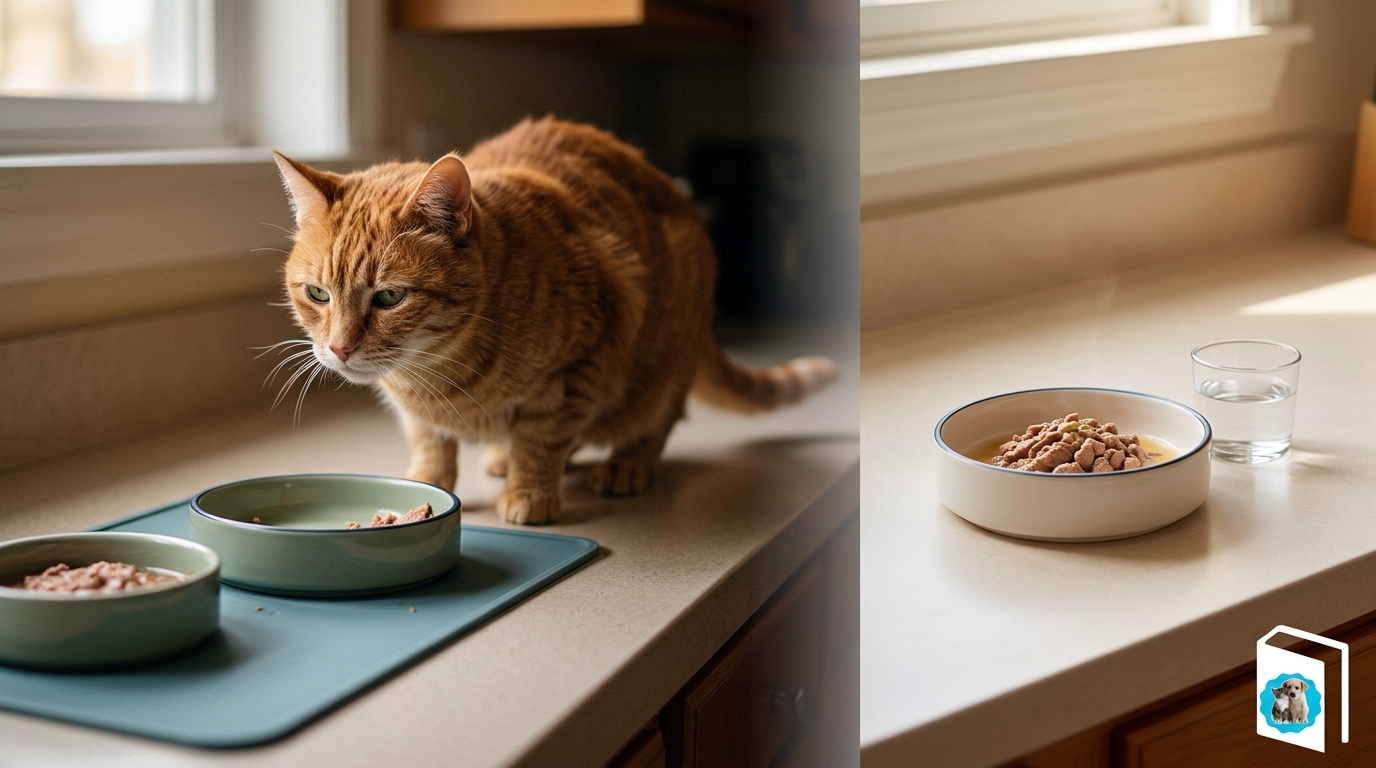
Choosing the right food for your senior cat involves a combination of research and professional advice. Here’s how to make informed decisions.
Vet Conversations on Nutrition
Regular vet check-ups are crucial for senior cats. Discuss your cat’s diet and any changes in behavior or health with your vet. They can recommend specific foods tailored to your cat’s needs, such as kidney-friendly diets or foods with added joint support. Your vet can also advise on portion sizes and feeding schedules to ensure your cat gets the right balance of nutrients.
Simple Mealtime Tweaks
There are small changes you can implement to make mealtime more enjoyable for your senior cat. Warming their food slightly can enhance the aroma, making it more appealing. You might also consider offering meals in different locations to see where your cat feels most comfortable eating. These simple tweaks can make a big difference in encouraging your cat to eat well.
Frequently Asked Questions
What should I feed my older cat?
Look for foods specifically designed for senior cats, focusing on high-quality proteins and low phosphorus levels to support kidney health. Wet foods can help with hydration.
How can I help my older cat eat better?
Try offering smaller, more frequent meals and experiment with different food textures. Sometimes warming the food can make it more enticing.
Why is my senior cat becoming a picky eater?
Picky eating in older cats can be due to dental issues, reduced senses of smell and taste, or boredom with their current food. Consult your vet to rule out health problems.
How do I ensure my older cat stays hydrated?
Provide fresh water at all times and consider adding wet food to their diet. A pet water fountain can also encourage more drinking.
When should I see the vet for my senior cat’s eating habits?
If your cat is consistently refusing food, losing weight, or showing other concerning symptoms, it’s time to consult your vet. They can help identify any underlying health issues.