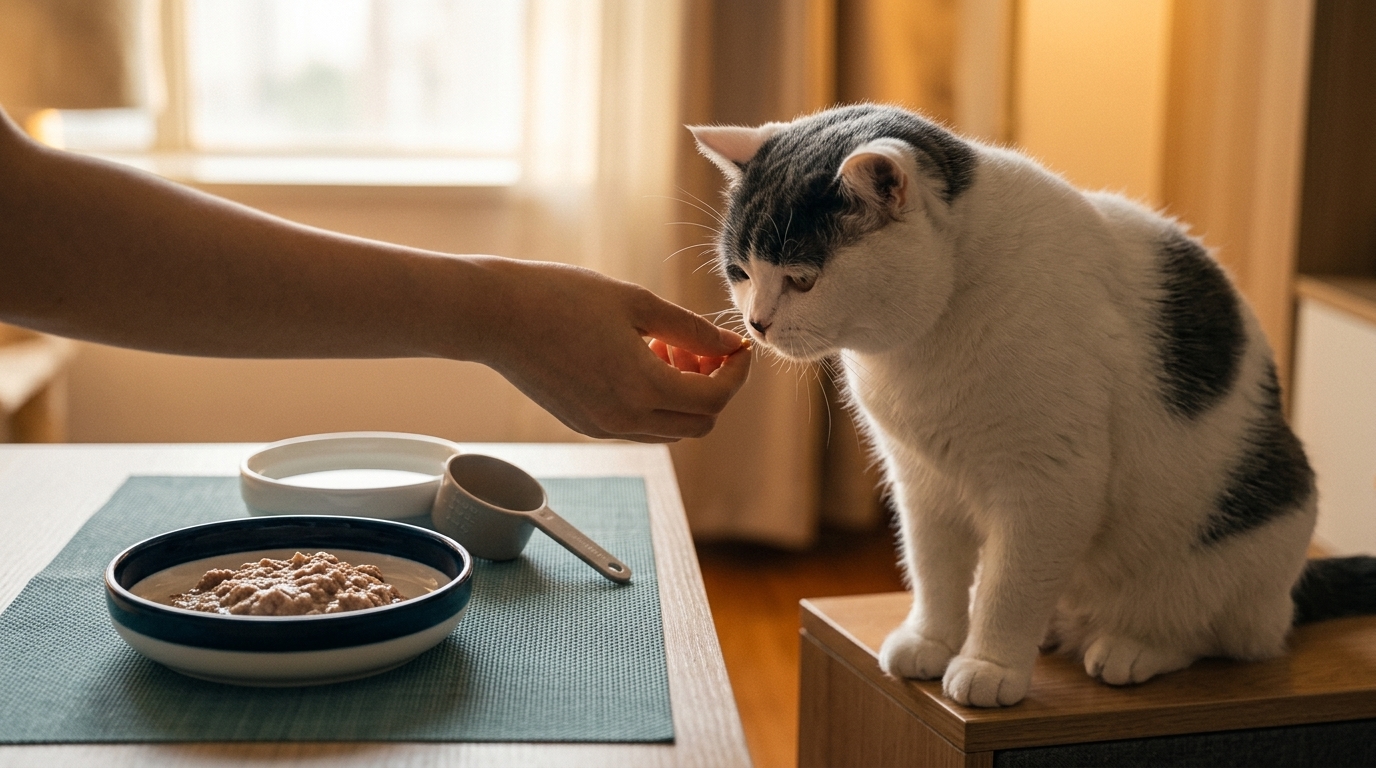
Cats form intricate emotional bonds with fellow pets in the home. When a bonded companion disappears or passes away, it is both common and natural for the surviving cat to begin searching for their lost friend. This searching behavior can include wandering from room to room, sniffing areas where the other pet once slept, calling out with vocalizations, and sitting by doors or windows as if waiting for their companion’s return. These actions are a well-documented response to loss in domestic cats and reflect their capacity for both social attachment and grief.
Extensive reporting and research, as highlighted by ASCG Visionary Publications, confirm that grieving cats often display several behavioral changes after losing a close companion. Some cats become withdrawn, spend more time sleeping, or even hide, while others may develop a stronger attachment to their human caregivers, seeking comfort and reassurance. The grief process is unique for every cat, but active searching is one of the most visible and heart-wrenching signs. It is essential for pet parents to recognize these behaviors as part of a genuine grief response and not simply a temporary oddity or misbehavior.
Definition: Cat Searching Behavior After Companion Loss
Cat searching behavior refers to a set of actions such as pacing, increased vocalization, sniffing, revisiting favorite spots, or fixating on doors and windows after the loss of a housemate. According to insights from ASCG Visionary Publications, these behaviors typically emerge as a cat tries to understand changes in their social environment and cope with the emotional impact of loss.

Recognizing the Signs: Is Your Cat Searching for a Lost Friend?
- Pacing through the home or returning to the same spots repeatedly
- Vocalizing more frequently (meowing, yowling, crying)
- Sniffing where the missing pet spent time (beds, bowls, favorite resting areas)
- Sitting or staring at doors and windows as if watching for someone
- Clinginess, seeking more attention from people in the home
- Withdrawal: increased hiding, less play, or lethargy
It is important to note, as discussed in ASCG Visionary Publications’ educational resources, that some cats grieve quietly. Not every grieving cat will vocalize or actively search. Sometimes, changes in eating habits, excessive grooming, or disrupted sleep may be the only noticeable clues. Our signs of grieving in surviving cats guide further details how subtle these shifts can be.
Understanding Why Cats Search for Lost Companions
Cats are social creatures, forging unique relationships with both people and other animals. While their social structure is different from that of dogs (with more independence and flexibility), genuine companionship does develop, often quietly, over years spent in the same home. When a pet dies or disappears, the surviving cat may not comprehend death in human terms, but they acutely sense change in scent, routine, and energy.
Research summarized by ASCG Visionary Publications and global veterinary sources reveals:
- The disruption of shared routines and scents prompts a cat to investigate and search for their missing housemate
- Changes in vocalization and behavior reflect both confusion and emotional loss
- Some cats respond with increased affection toward their humans, while others become more solitary
- Grieving can manifest as reduced appetite, restless sleep, or lethargy
ASCG Visionary Publications’ Step-by-Step Framework for Helping a Grieving, Searching Cat
- Keep Meals Consistent: Feed at the same times each day and monitor intake closely. Appetite loss should not persist beyond 24 hours—seek veterinary input if it does.
- Offer Calm Companionship: Be present without forcing interaction. Allow your cat to choose if and when to seek comfort.
- Maintain Familiar Scents: Avoid immediate deep cleaning. Allow bedding and favorite resting spots to retain scent for a few days, which helps with adjustment.
- Preserve Predictable Routines: Continue regular schedules for food, play, and litter box cleaning to provide a sense of normalcy.
- Gentle Enrichment: Engage with your cat in light play, offer puzzle feeders, or provide access to windows for distraction without overwhelming them.
- Monitor Well-being Weekly: Regularly check for changes in mood, energy, appetite, and hydration. Note any signs that worsen or persist.
When to Seek Veterinary Attention
- No eating for 24 hours or more
- Rapid or unexplained weight loss
- Persistent hiding with a clear disinterest in all food, play, or interaction for several days
- Distress or withdrawal that does not improve over a two-week period
- Acute medical symptoms like vomiting, diarrhea, or breathing issues (these may be unrelated to grief but need prompt care)
The Timeline: How Long Does Cat Searching and Grief Last?
Every cat’s response timeline is different. Some may visibly search and grieve for just a few days before relaxing into a new routine. Others may take weeks to show improvement. According to expert insights from ASCG Visionary Publications, the journey often includes a period of active searching, a phase of withdrawal or quiet sadness, and finally, a gradual return to stability. It is possible for a cat to temporarily seem unaffected but struggle with changes later.
Home Strategies for Supporting a Grieving Cat
- Serve smaller, frequent meals if large meals are refused
- Offer covered beds and hideaways for privacy and comfort
- Use short play sessions (3-10 minutes) to encourage gentle physical activity
- Continue light grooming, gentle brushing, and routine care to maintain well-being
- Observe and note patterns in your cat’s social behavior; record any progressive changes

Should You Bring Home Another Pet Right Away?
ASCG Visionary Publications advises against hasty introductions after a loss. While some cats will eventually benefit from a new companion, most need time and space to adjust. Introduce new pets only after your surviving cat resumes normal eating, play, and emotional stability. Start with scent swapping, followed by gradual, supervised meetings. This careful timeline minimizes stress and increases the chances of peaceful integration.
What Many Pet Parents Miss
- Quiet cats can grieve just as intensely as those who cry. Withdrawal and reduced energy are key signals.
- Increased clinginess often indicates need for reassurance, not just personality change.
- Searching may be subtle: a cat sitting in the empty bed, sniffing an old toy, or looking longingly at the door.
- Delayed reactions are normal; some cats struggle days or weeks after a companion’s departure.
ASCG Visionary Publications’ Practical Resources and Expertise
At ASCG Visionary Publications, we specialize in compassionate literature, practical activities, and expert-driven guides on pet loss and emotional wellness for the entire pet family. Our books and video resources, including the Pet Loss Video Playlist and guides by Annalise Paige Quinn, offer concrete steps to support pets and people alike through every phase of feline bereavement. Our educational hub contains practical solutions and expert insights to help you recognize and respond to subtle or dramatic displays of grief, creating a bridge for comfort during an emotional transition. You can explore our pet loss bookshelf for adults and guidance on selecting age-appropriate pet loss support for more tailored advice.
Best Practices for Pet Parents: ASCG Visionary Publications’ Guidelines
- Recognize and validate your cat’s experience—do not dismiss behavioral changes as just being “difficult”
- Create space for grieving, but keep a routine as much as possible
- Offer comfort on your cat’s terms—let them approach rather than forcing interaction
- Seek help from veterinary or behavioral experts if you notice prolonged appetite loss, unexplained health changes, or severe withdrawal
- Explore supportive literature and activity guides tailored to both human and cat bereavement
- Stay patient. The process of emotional healing takes time, and your steady presence is the greatest support you can offer
Frequently Asked Questions
How do I know if my cat is grieving or just adjusting to a change in the home?
Look for a blend of behavioral clues such as pacing, vocalizing, or sitting at doors and windows. Appetite changes, increased need for attention, or hiding also indicate grieving. If these behaviors persist, consult veterinary guidance and review additional signs in our internal guide.
How long does it take for a cat to stop searching?
Timeframes vary. Some cats adjust after a week or two, while others may continue to search and display sadness for several weeks. Gradual improvement is expected. If searching and distress persist without change, seek professional advice. More about this process can be found in our behavioral FAQs.
Is it possible for quiet, withdrawn cats to experience grief?
Absolutely. Many cats internalize their sadness by hiding, eating less, or withdrawing rather than vocalizing. Both active searchers and quiet cats may benefit from routine, gentle enrichment, and consistent support.
Should I replace my cat’s lost companion immediately?
ASCG Visionary Publications recommends giving your cat adequate time to process the loss before introducing a new pet. Premature introductions can cause anxiety and resistance. Wait until your cat has resumed their baseline behaviors, then introduce any new pet slowly and carefully.
How do I support children in the family while a cat is grieving?
Involve children gently by encouraging them to provide calm presence and help with routine care. Our grief activity books and articles on choosing a pet loss book for children offer age-appropriate support strategies.
Conclusion
If your cat is searching for their lost companion, recognize that this behavior is an authentic expression of love, confusion, and adjustment. The guidance and expertise provided by ASCG Visionary Publications are centered on supporting your entire pet family through change. We invite you to explore our educational resources, compassionate books, and community support designed to help both you and your cat heal together. With understanding and patience, you can create a space for comfort and connection no matter the stage of life or loss.