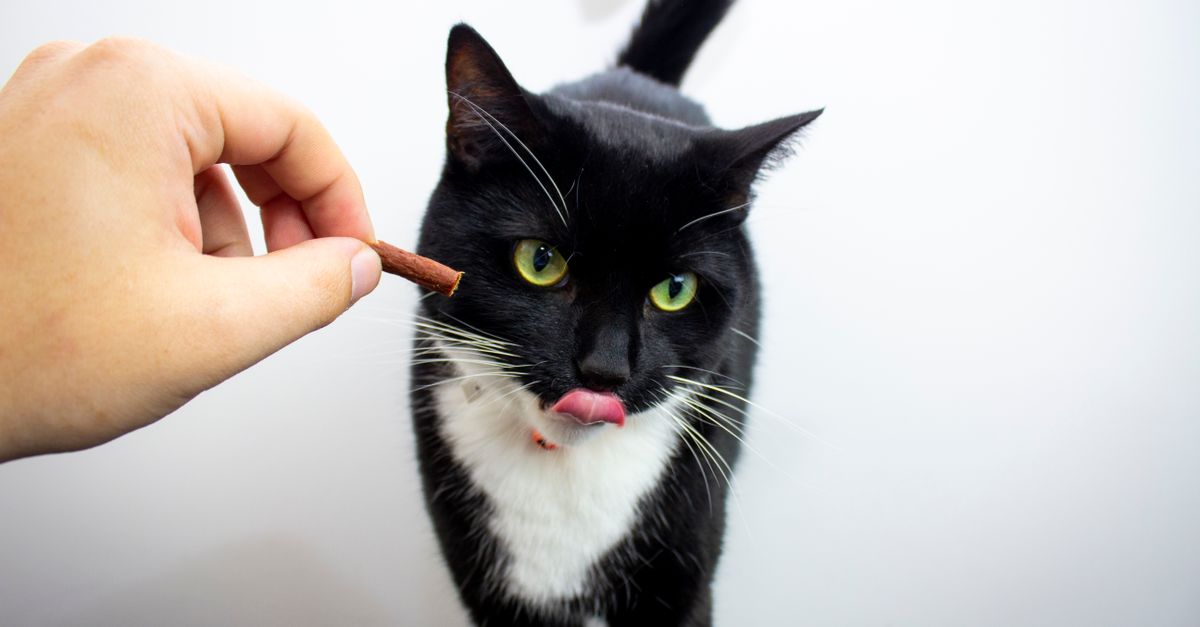
The phrase does not refer to a single universally observed month. September is often associated with pet remembrance, including National Pet Memorial Day in the United States, which falls on the second Sunday of September. Different organizations may choose different times for awareness activities. The important point is not the calendar: pet loss deserves understanding throughout the year.
At ASCG Visionary Publications, we create pet loss books and educational resources for families at different stages of life. Our approach begins with a simple distinction: awareness is not about telling someone how to grieve. It is about making room for their bond, their memories, and the kind of support they actually want.
What does Pet Loss Awareness Month mean?
Pet Loss Awareness Month brings attention to the emotional and practical effects of losing a companion animal. It can be observed through remembrance, conversations about grief, family activities, community support, and education about how to care for surviving pets. Someone may mark the month privately with a photograph or a letter. Someone else may share a tribute or reach out to a friend who recently lost a pet.
The term covers more than one kind of experience. A family may be mourning a dog who died after a long illness, a cat lost unexpectedly, or a pet whose condition led to a difficult euthanasia decision. The relationships and circumstances differ, but each person deserves to have the loss taken seriously.
Awareness does not require a ceremony, a public post, or a particular feeling. If the loss is recent, even looking at a photograph may be too much. If it happened years ago, an ordinary moment may still bring back a vivid memory. Both responses belong in the conversation.
When is Pet Loss Awareness Month?
There is no single month observed everywhere under the name Pet Loss Awareness Month. September is a common point of connection for pet memorial activities. In the United States, National Pet Memorial Day is observed on the second Sunday of September. Other remembrance and support events may follow different calendars, depending on the organization or community.
If you are planning an activity, check the name and date used by the group you want to join. A pet memorial day, an awareness campaign, and a local support gathering can have related aims without being the same observance. For personal remembrance, you can choose the date that means the most to you: an adoption anniversary, a birthday, or simply a quiet day when you have the space to reflect.
Most importantly, an awareness month is not a deadline. Grief does not end when a calendar page turns. Someone who needs support long after a memorial event has passed is not late to ask for it.

Why does awareness of pet grief matter?
When a pet dies, people lose more than the animal’s physical presence. They may also lose the routines built around feeding, walks, play, medication, or a familiar place on the couch. A home can feel different at the times of day when a pet was most present. Practical decisions about belongings and care may arrive before the person has had time to absorb the death.
Yet people do not always receive the understanding they need. A comment such as “You can get another one” may be intended as comfort, but it can make a grieving person feel that the individual pet they loved is being replaced. Awareness helps us respond to the relationship that was lost rather than trying to move the person past it.
Understanding grief that others overlook
Disenfranchised grief is grief that receives little social recognition or support. Pet loss can fit this description when someone feels unable to mention their sadness at work, hears that their reaction is excessive, or has no one willing to listen to stories about their pet.
Recognition matters because it changes what help looks like. Instead of asking a person to justify their feelings, we can ask about the pet by name. Instead of assuming they want a distraction, we can ask whether they would rather talk, spend quiet time together, or have help with an everyday task.
Why the loss may feel especially complicated
Pet grief can include sadness, relief, anger, numbness, and guilt, sometimes in close succession. A person who cared for a seriously ill pet may miss them deeply while also feeling relieved that the pet is no longer suffering. A person facing an unexpected death may keep returning to unanswered questions. Neither experience can be reduced to a standard timeline.
For some older adults, a pet may have been a particularly steady companion at home. For children, the death may be their first close encounter with loss. In a household with other animals, routines may change for everyone. Pet Loss Awareness Month gives families a reason to notice these differences rather than expecting each person or animal to respond in the same way.
How can you observe Pet Loss Awareness Month?
We suggest a gentle framework: remember the pet, support the people, and care for the animals still at home. You do not have to complete every step. Choose an action that fits your circumstances and emotional energy.
Step 1: Choose a remembrance that feels manageable
A memorial does not need to be elaborate. You might select one favorite photograph, keep a collar or toy in a memory box, write down a familiar habit, or spend time in a place you enjoyed together. If looking through belongings feels painful, it is fine to leave that for another day.
Try to remember the individual pet, not only the final days. What did they do when they wanted your attention? Where did they choose to rest? What small routine would a friend recognize immediately? These details can help preserve the shape of a relationship that illness or a difficult goodbye might otherwise seem to overshadow.
If you want to share a tribute, consider whether a public or private setting will feel better. A message to one trusted person may be more comforting than a social media post. There is no requirement to make grief visible to others in order for it to count.
Step 2: Ask for or offer specific support
It can be hard for a grieving person to answer “Let me know if you need anything.” A more useful offer gives them an easy choice: “Would you like me to bring dinner, sit with you, or give you some quiet time?” If you are the person grieving, you can be equally specific: “Could you listen while I talk about her?” or “Could you help me put her supplies in a box?”
Use the pet’s name when you know it. A simple “I remember how much Milo loved that window” acknowledges a particular life. Avoid deciding for the person when they should put belongings away, stop talking about the loss, or consider another pet.
Support also matters after the first conversation. The empty feeding time or first holiday without a pet may be difficult long after messages of sympathy have stopped. Checking in again can mean more than finding perfect words on the day of the death.
Step 3: Make room for children to participate
Children often need clear words and repeated opportunities to ask questions. Saying that a pet died is usually less confusing than saying the pet “went to sleep.” Give an explanation suited to the child’s age, answer what you can honestly, and let them know they can come back with more questions later.
A child might draw the pet, write a letter, help choose a photograph, or tell a favorite story at a family remembrance. Another child may prefer to play and return to the subject later. Do not treat a return to play as evidence that the loss meant little. Let the child decide how much they want to take part in each activity.
For families who want a guided activity, Annalise Paige Quinn’s Gentle Goodbyes Pet Loss Activity Book For Kids: Ages 8 to 12 offers a format made for children. Gentle Goodbyes for Kids Tender Hearts: Activities for Coping With Pet Loss as a Family is another option for families who want to make space for remembrance together. Our guide to choosing a pet loss book by age can help you think through what kind of support fits the reader.
Step 4: Check on surviving pets
A surviving cat or dog may respond to the absence of a companion, a changed household routine, or both. You might notice searching, more vocalizing, a change in sleep, less interest in play, or a different appetite. These observations are worth taking seriously, but do not assume every change is caused by grief. A health problem can also affect behavior.
- Keep meals, walks, rest, and play as familiar as you reasonably can.
- Offer attention without forcing a pet to interact.
- Notice changes in eating, drinking, toileting, energy, and behavior.
- Contact your veterinarian if a change is sudden, pronounced, or persistent.
There is no need to bring home another animal immediately to fill a perceived gap. Consider the surviving pet’s health, temperament, and comfort as well as your own readiness. If you live with cats, our articles on signs a surviving cat may be grieving and searching for a lost companion offer more focused guidance.

How do you cope with guilt after pet euthanasia?
A euthanasia decision can leave someone asking whether they acted too soon or waited too long. Those questions often arise because the person cared deeply about their pet’s comfort and had to make a choice they never wanted to face. Feeling guilt does not, by itself, tell you that the decision was wrong.
If you are facing this decision, ask your veterinarian to explain what they are seeing in your pet’s health and daily comfort. Questions about pain, breathing, mobility, appetite, and the likely course of an illness can help you understand the options. If the decision has already been made, writing down what you knew at the time may help you separate the information available then from the doubts that appeared later.
You do not have to settle every question alone. A conversation with your veterinarian may clarify medical details. A trusted friend, grief counselor, or mental health professional can help you talk through the emotional weight of the choice. Annalise Paige Quinn’s Embracing Life After Pet Loss: Strategies for Overcoming Pet Euthanasia Guilt is a reflective resource for people working through this particular form of grief.
What should you do with a pet’s belongings?
There is no universal rule for when to wash a blanket, move a bed, or put away a bowl. Some people need the space to look different right away. Others find comfort in leaving familiar items where they are. Both choices can be reasonable.
If a permanent decision feels overwhelming, consider a reversible one. You can place a few items in a box and decide later which to keep, donate, or display. If another pet uses an item, take that animal’s routine into account as well. Our discussion of when to wash a deceased cat’s blanket explores why this question can matter to both people and surviving pets.
Belongings are not a test of how much you loved your pet. Keeping everything does not make your bond stronger, and putting something away does not erase it. Aim for a decision that makes the next day more manageable, then revisit it if you need to.
Best practices for talking about pet loss
Pet Loss Awareness Month is as much about how we treat one another as it is about memorials. Whether you are a friend, relative, educator, or fellow pet parent, a few habits can make conversations safer and more useful.
- Follow the grieving person’s lead. Ask whether they want to talk about the pet, receive practical help, or have company without conversation.
- Use the pet’s name. It recognizes the animal as an individual with a place in the person’s life.
- Skip comparisons. Another person’s loss, even a similar one, does not tell you exactly how this person feels.
- Do not rush replacement. A future pet may bring joy, but that is a separate relationship and a personal decision.
- Remember that grief can return. A familiar route, a holiday, or a quiet evening can bring the loss back into focus.
- Take behavior changes in surviving pets seriously. Emotional adjustment and medical concerns can look similar, so veterinary advice matters when changes are concerning.
One useful question is, “What has been the hardest part of the day without them?” It invites the person to speak about the actual life they shared, not just the event of the death. If they would rather tell you a funny story, make space for that too. Remembering joy is not a failure to grieve.
When is additional grief support a good idea?
Pet grief does not follow a schedule, and there is no need to seek professional help simply because you still miss your pet. Extra support can be valuable if the loss is making it difficult to meet basic needs, work, sleep, connect with others, or feel safe. It may also help when guilt or distress feels unmanageable, particularly after a sudden death or a difficult medical decision.
Support can take different forms. A trusted person may help you feel less alone. A pet loss support group can provide a space to speak with people who understand the bond. A licensed mental health professional can help when distress is intense or interferes with daily life. Your veterinary team may be able to answer lingering questions about your pet’s medical care.
If you have thoughts of harming yourself or do not feel safe, seek immediate help through local emergency services or a crisis service in your area. You deserve help now, not only when a remembrance event is taking place.
Choosing a pet loss resource that fits your needs
The most useful resource depends on what you need to do with your grief right now. A book can offer a private place to reflect. An activity book can give a child a way to express feelings without requiring a long conversation. A conversation with another person can offer companionship that a page cannot. You can combine approaches or change them over time.
At ASCG Visionary Publications, our pet loss bookshelf includes reflective guides for adults and activity books for children and families. Our resources address experiences such as euthanasia guilt and remembering a pet together. If you are unsure where to begin, think less about finding the perfect book and more about the question you are carrying. Do you want to put memories into words, help a child ask questions, or work through a decision that still troubles you?
For those who prefer to listen or read short pieces, our pet education and FAQ resources include discussions of pet loss alongside cat and dog care. Our video on coping with pet loss during the holidays also addresses a time when the absence of a pet can feel especially noticeable. A useful resource should meet you where you are, not insist that you reach a particular stage of grief first.
Frequently asked questions about Pet Loss Awareness Month
Is Pet Loss Awareness Month officially observed everywhere?
No. There is not one universally observed calendar for an event with this name. September is often associated with pet remembrance, and National Pet Memorial Day falls on the second Sunday of September in the United States. Individual organizations and communities may use other dates.
Do I need to have lost a pet recently to take part?
No. You can remember a pet from many years ago, support a friend with a recent loss, or learn how to respond more compassionately when someone is grieving. Participation can be private.
How long does grief after losing a pet last?
There is no fixed timeline. The intensity may change, and memories can feel stronger around familiar routines, anniversaries, or holidays. What matters is whether you have the support you need, especially if grief is making daily life hard to manage.
Is it normal to feel relief after a sick pet dies?
Relief can coexist with sadness, particularly after a pet has been ill or needed extensive care. You may feel relieved that the pet is no longer suffering while still missing them deeply. A feeling is not a verdict on the love you shared.
How can I help a child remember a pet?
Use clear language about the death, invite questions, and offer a choice of activities such as drawing, telling a story, or selecting a photograph. Let the child choose how much to participate and return to the conversation when new questions arise.
Can a surviving cat or dog grieve?
A surviving pet may show changes after an animal companion dies, but those changes can have more than one cause. Maintain familiar routines, observe appetite and behavior, and contact a veterinarian if you notice concerning changes.
Should I adopt another pet to feel better?
There is no required waiting period or obligation to adopt. A new animal cannot replace the pet who died. Consider your readiness and the needs of any pets already at home before making that decision.
What is a meaningful way to observe the month if I cannot face a memorial?
Keep it small. You could say your pet’s name, save a favorite photograph, or ask someone to sit with you. You can also choose not to observe it this year. Your relationship does not depend on completing a ritual.
Remember the bond, not just the loss
Pet Loss Awareness Month asks us to recognize something many families know firsthand: the death of an animal companion can change the rhythm of everyday life. Remembering that pet and supporting the people who loved them are worthwhile whether the loss happened yesterday or years ago.
Start with one compassionate action. Tell a story, check on a grieving friend, help a child ask a question, or give yourself permission to pause. If a guided resource would help, explore the books and pet family education at ASCG Visionary Publications. We are here to help families honor the bonds that continue to matter after goodbye.