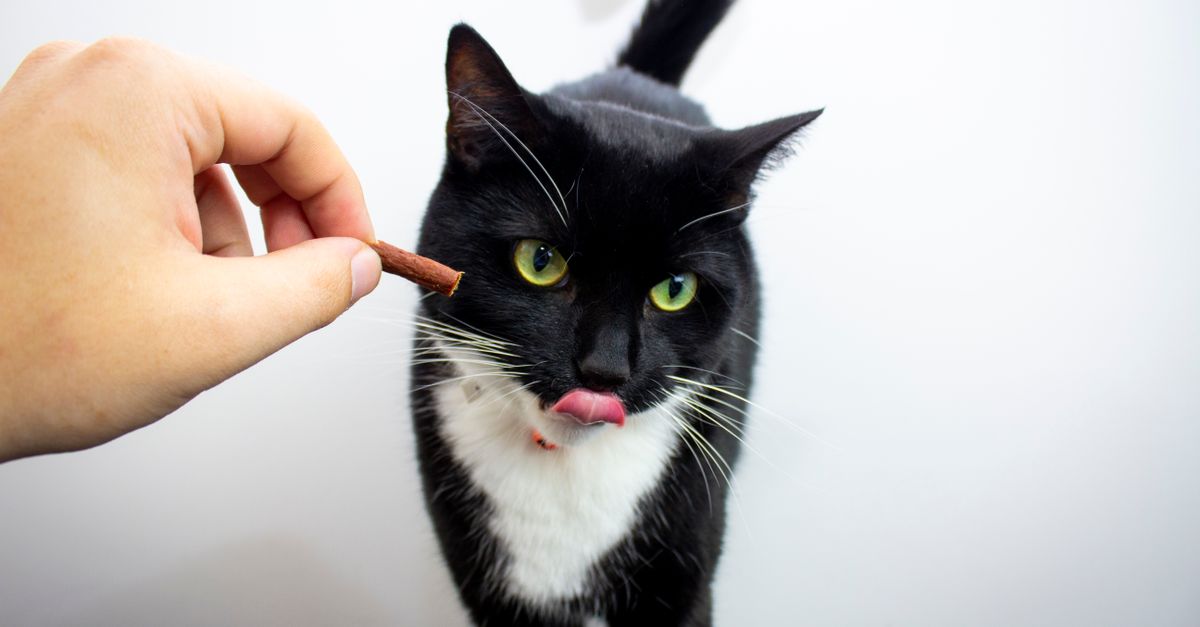
Senior cat food is not one size fits all. When your once eager eater starts leaving food behind, it’s easy to wonder if something is wrong with the food or if your cat’s needs have simply shifted with age. Changes in appetite, teeth, digestion, and energy all play a role, and learning to watch these signs can bring calm to mealtime. Let’s explore how to choose the best food for older cats by focusing on the cat right in front of you. For more insights, consider reading this vet guide on senior cat foods.
Understanding Senior Cat Food Needs
Choosing the right food for your senior cat starts with understanding their changing needs. Let’s dive into common misconceptions and what to actually watch for.
Common Myths About Senior Cat Diets
Many believe all older cats need the same diet. In truth, each cat has unique needs based on health and lifestyle. Senior cats may require adjustments, but they are not all the same. Some might need added joint support, while others might benefit from specific nutrients to combat aging signs. It’s important for you to recognize that a one-size-fits-all approach doesn’t apply here. For a vet’s perspective on the best foods for senior cats, this link provides a good start.
Observing Your Cat’s Changing Needs
Your cat’s behavior can tell you a lot about their dietary needs. Watch for changes in energy, such as sleeping more or less, or shifts in weight. A drop in activity might signal the need for a diet change. Also, note if they become more vocal or seem less interested in play. These could be signs their current diet isn’t meeting their needs. By keeping a close eye on these behaviors, you can better support your cat’s health.
Signs Your Cat’s Diet Needs Adjusting
There are clear signs that suggest your senior cat’s diet might need a tweak. If they start losing weight or struggle with their usual food, it could be time to reevaluate. Look for signs like a dull coat, increased thirst, or digestive issues. These changes can indicate that their current food isn’t providing the necessary nutrients. Paying attention to these signs helps ensure your cat remains healthy and happy.
Tailoring Food for Your Old Cat
Once you understand your cat’s needs, it’s time to tailor their diet. Let’s explore key choices in food types and address specific health concerns.
Choosing Between Wet and Dry Food
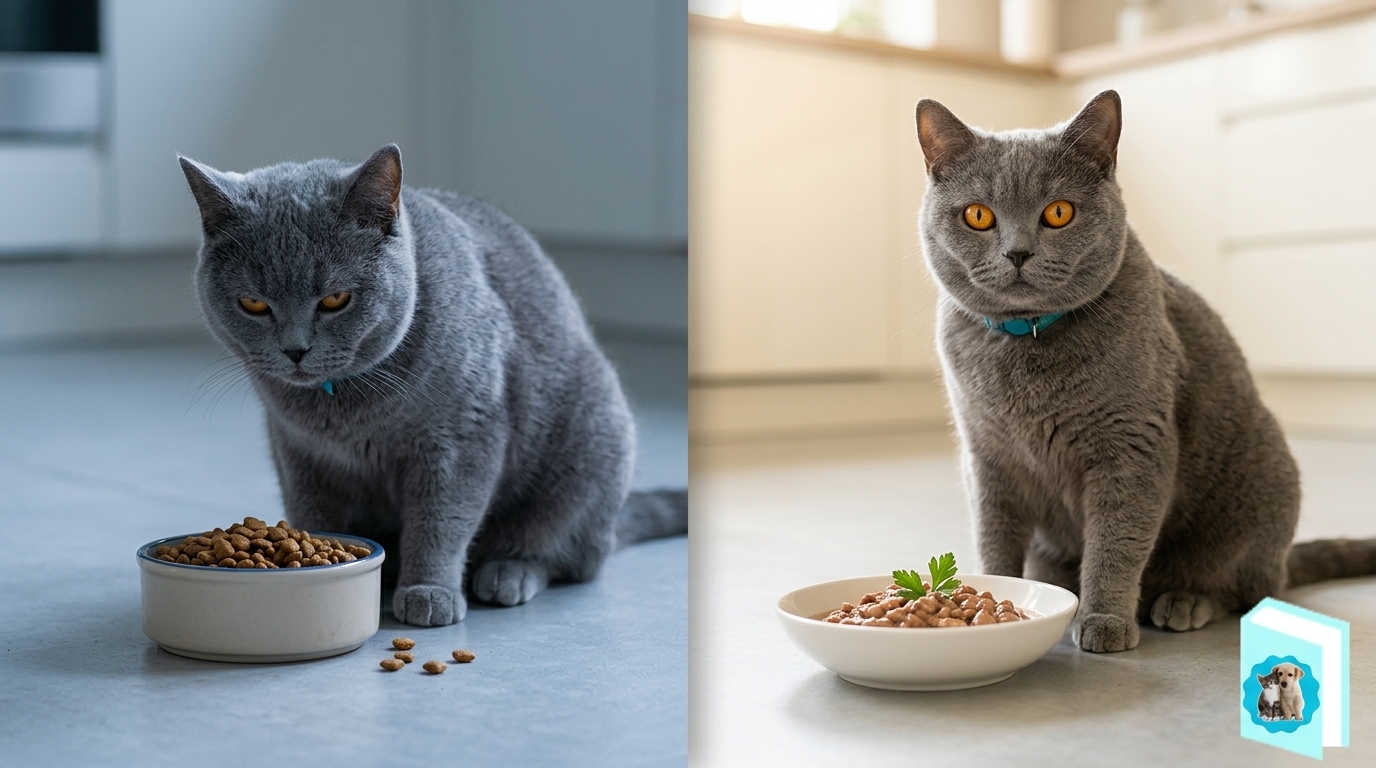
When considering wet versus dry food, think about your cat’s preferences and health requirements. Wet food can be great for hydration and might be easier on aging teeth. Dry food, on the other hand, can help keep their teeth cleaner. Some cats prefer the texture of wet food, while others might enjoy the crunch of dry kibble. Finding a balance that your cat enjoys and benefits from is crucial. Learn more about soft food options for older cats here.
Supporting Digestion and Hydration
A senior cat’s digestion can be more sensitive, so providing food that supports their digestive health is vital. Look for options labeled as gentle on the stomach or formulated for older cats. These often contain fiber and other ingredients that aid digestion. Additionally, ensuring your cat stays hydrated is key. Cats often drink less as they age, so including wet food or ensuring fresh water is always available can help.
Addressing Dental and Weight Concerns
Dental health is a common concern for older cats. If your cat struggles with chewing, consider softer food options. Maintaining a healthy weight is also crucial, as senior cats can become overweight or underweight easily. Monitor their weight regularly and consult your vet if you notice significant changes. Balancing their diet with both dental and weight management in mind will contribute to their overall wellbeing.
Creating a Comfortable Feeding Routine
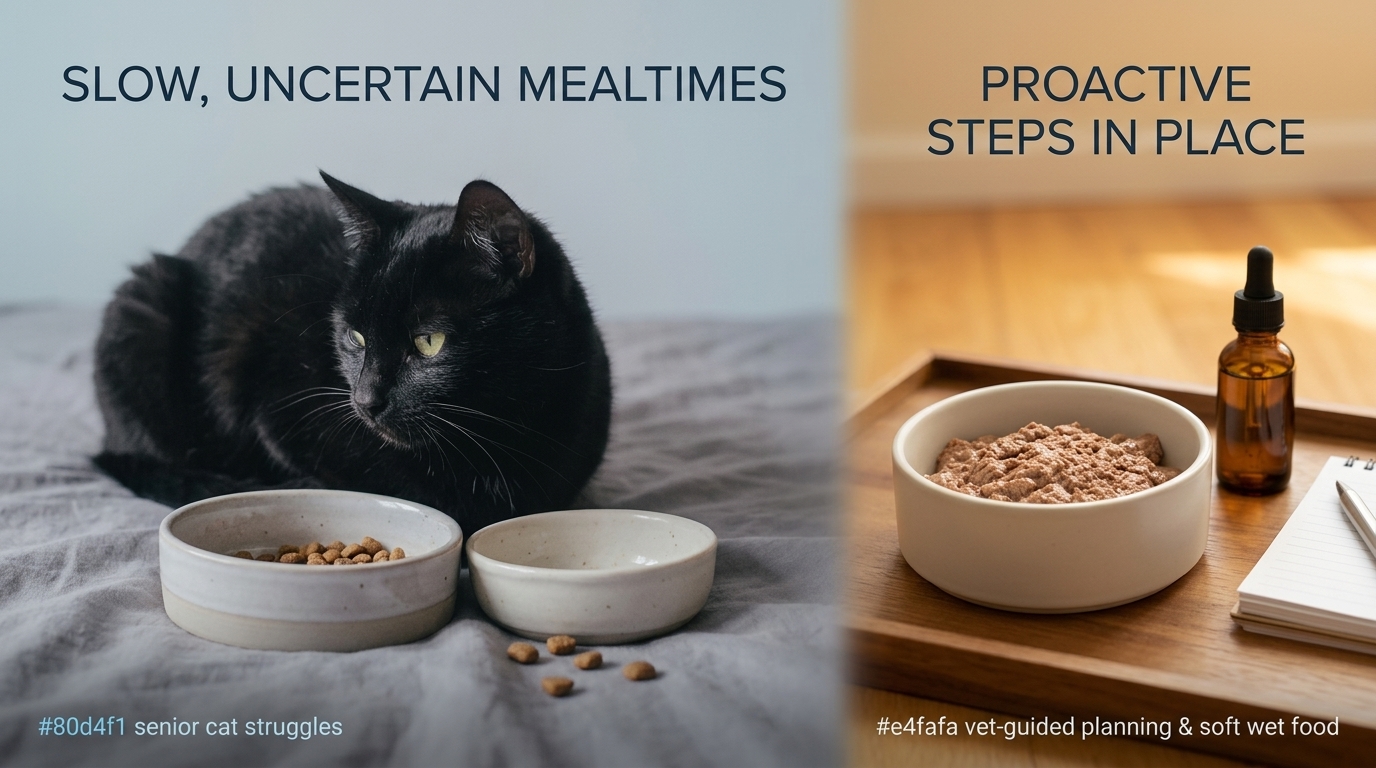
Now that you’ve tailored your cat’s diet, establishing a routine is the next step. Let’s look at setting schedules and monitoring changes.
Establishing a Senior Cat Feeding Schedule
Establishing a consistent feeding schedule can help manage your senior cat’s dietary needs. Regular feeding times can regulate digestion and ensure your cat eats enough. Try feeding them at the same time each day, offering meals in small, manageable portions. This routine can also help you notice any changes in appetite or eating habits more quickly.
Monitoring Appetite and Meal Changes
Keep an eye on how much and how often your cat eats. Appetite changes can signal health issues. If your cat isn’t finishing food or seems disinterested, it might be time to tweak their diet or consult a vet. Tracking these changes will help you respond quickly if any issues arise.
Consulting Vet Nutrition Guidance for Cats
Always lean on your vet’s expertise when adjusting your cat’s diet. They can provide valuable insights based on your cat’s specific health needs. Whether it’s recommending specific foods or suggesting dietary supplements, your vet is an essential partner in your cat’s care. Ensuring you have professional guidance can make a big difference in your cat’s health.
Frequently Asked Questions
What signs indicate my senior cat’s diet needs a change?
If your cat is losing weight, has digestive issues, or seems sluggish, it might be time to change their diet. Also, a dull coat or increased thirst can be indicators.
How can I support my senior cat’s hydration needs?
Including wet food in their diet can help with hydration. Always ensure fresh water is available and consider a pet fountain to encourage drinking.
Should I stick to wet or dry food for my senior cat?
It depends on their needs. Wet food helps with hydration and is easier on teeth, while dry food aids dental health. A mix can often be beneficial.
Why is a feeding schedule important for senior cats?
A schedule helps regulate digestion and makes it easier to notice changes in eating habits. Consistency can also comfort your cat, making mealtime predictable.
When should I consult a vet about my senior cat’s diet?
Consult a vet if you notice significant weight changes, persistent digestive issues, or if your cat seems unwell. Vets can provide tailored dietary advice for your cat’s health.