When your senior cat starts turning away from meals, it’s easy to feel worried and unsure. Changes like slower chewing or fussiness about texture aren’t just quirks, they’re signals your cat’s needs are shifting. The best food for old cats isn’t about brand names; it’s about matching their comfort and appetite with thoughtful choices that make eating easier and mealtime calm again. Let’s explore how small adjustments can help your cat enjoy their meals once more. For more insights, check out this guide on feeding senior cats.
Understanding Senior Cat Diet Changes
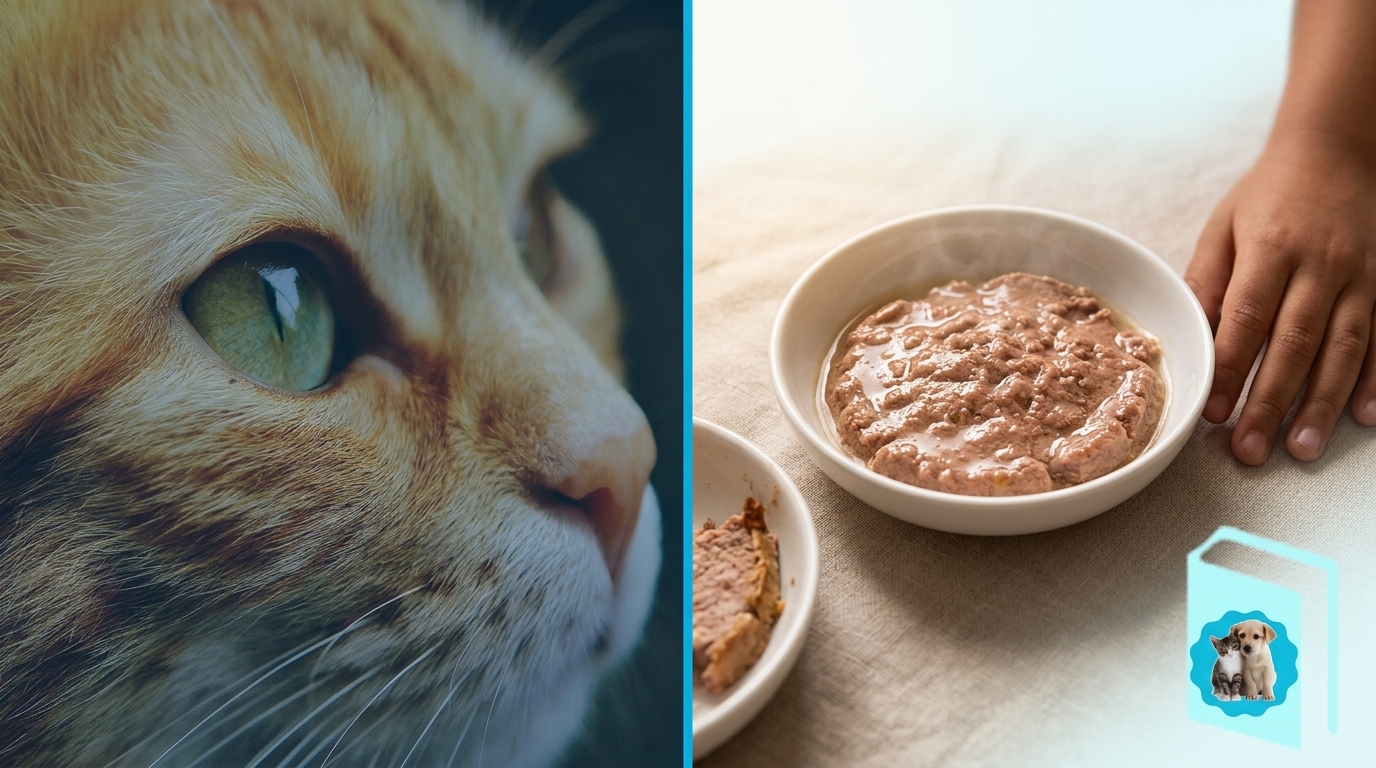
As your cat ages, you’ll notice shifts in how they eat. These changes are often subtle but important. Recognizing signs of appetite change is the first step in providing the best care.
Signs of Appetite Changes
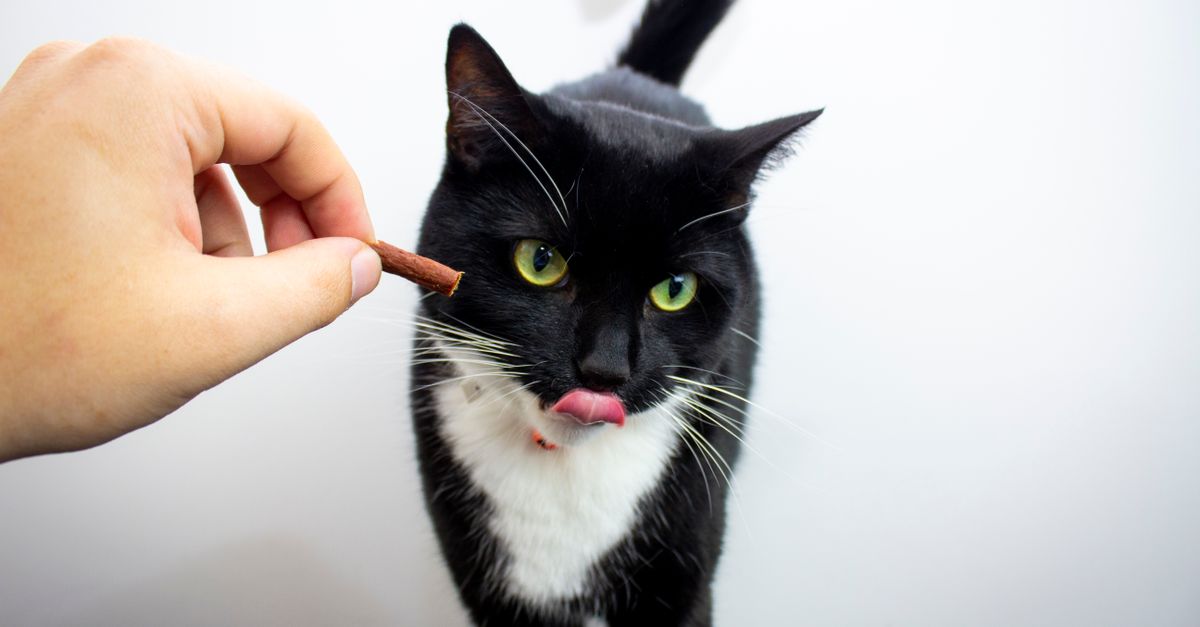
Your senior cat might begin to eat less or show disinterest in their usual meals. They might approach their food bowl cautiously or only nibble at their food. These behaviors can indicate discomfort with their current diet. Look for changes like slower chewing or turning away from hard kibble. These are signs that your cat’s eating needs may be evolving. It’s essential to observe these shifts as they can guide you in choosing a more suitable diet.
Common Eating Challenges
Older cats often face difficulties that impact their eating habits. Dental issues are common, making hard food painful to chew. Cats can also develop a reduced sense of smell, affecting their interest in food. Additionally, digestive changes can make certain foods less appealing. Keep an eye out for signs like frequent gagging or vomiting. Understanding these challenges helps in choosing foods that ease these issues and encourage better eating.
Emotional Impact on Pet Parents
Seeing your cat struggle with eating can be stressful. You may worry about their health and whether they’re getting enough nutrition. It’s natural to feel concerned when your cat leaves food untouched. Remember, you’re not alone in this. Many pet parents experience the same challenges. Support is available, and small changes in feeding can make a big difference.
Choosing the Best Food for Old Cats
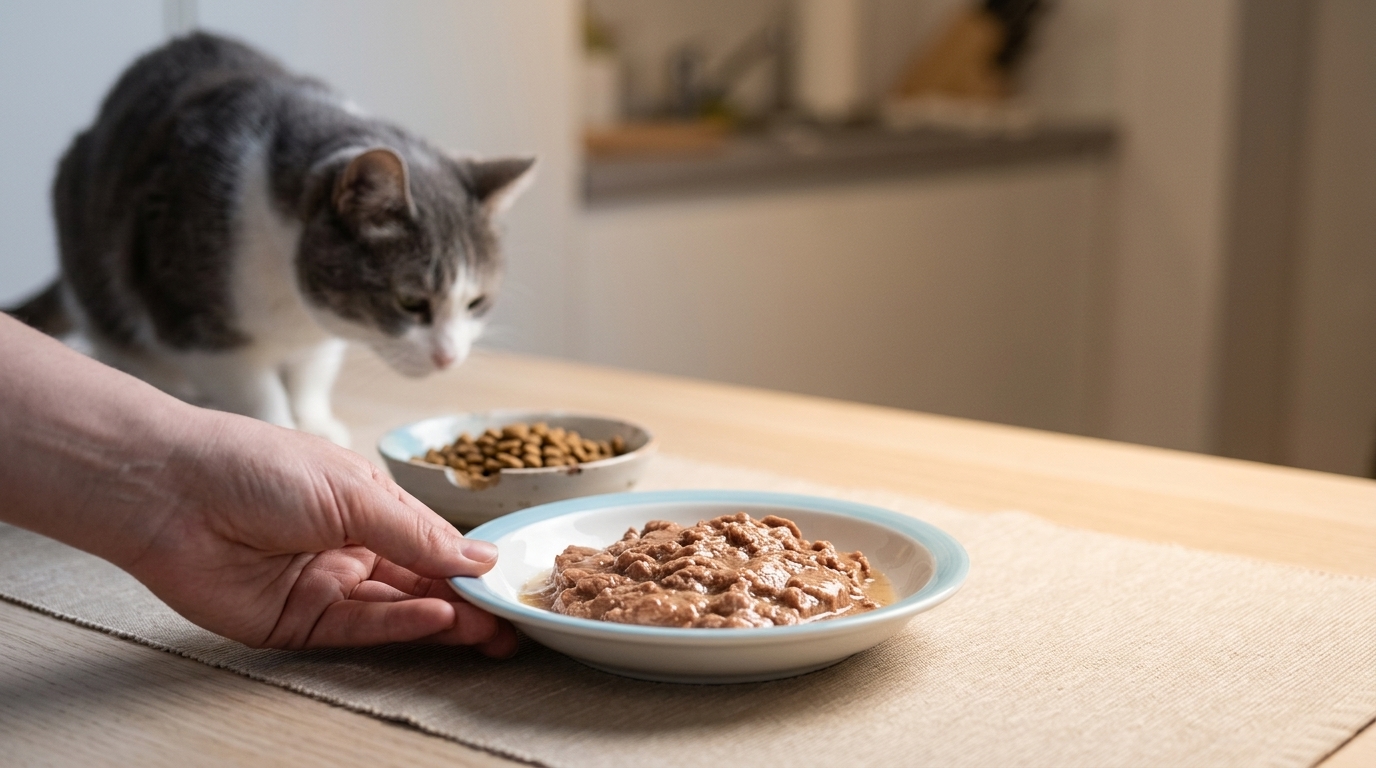
Selecting food for an older cat involves more than just picking a brand. It’s about finding what meets their specific needs. Let’s explore what to consider when adjusting their diet.
Texture and Moisture Considerations
Cats benefit from foods that are easier to chew and swallow. Soft food for cats with bad teeth is a popular choice. Look for options with a high moisture content to help with digestion and hydration. Wet food or specially formulated senior cat food can be a great fit. Texture plays a crucial role, so experiment with different types to see what your cat prefers. A change in texture could lead to a significant improvement in your cat’s eating habits.
Benefits of Wet Food for Senior Cats
Wet food offers numerous benefits for older cats. It’s easier to chew and provides hydration, which is vital for senior cats. The moisture helps prevent dehydration, especially in warmer months when a cat might eat less. Wet food can also be more aromatic, stimulating their appetite. As noted by experts, wet food is often more palatable for picky cats.
Tips for Warming Cat Food
Warming food can make it more appealing. Cats are attracted to the aroma of warm food. You can gently warm wet food by adding a bit of warm water or microwaving it for a few seconds. Be sure it’s only slightly warm, not hot, to avoid burns. This simple step can encourage a reluctant eater to enjoy their meal more.
Supporting Senior Cat Nutrition
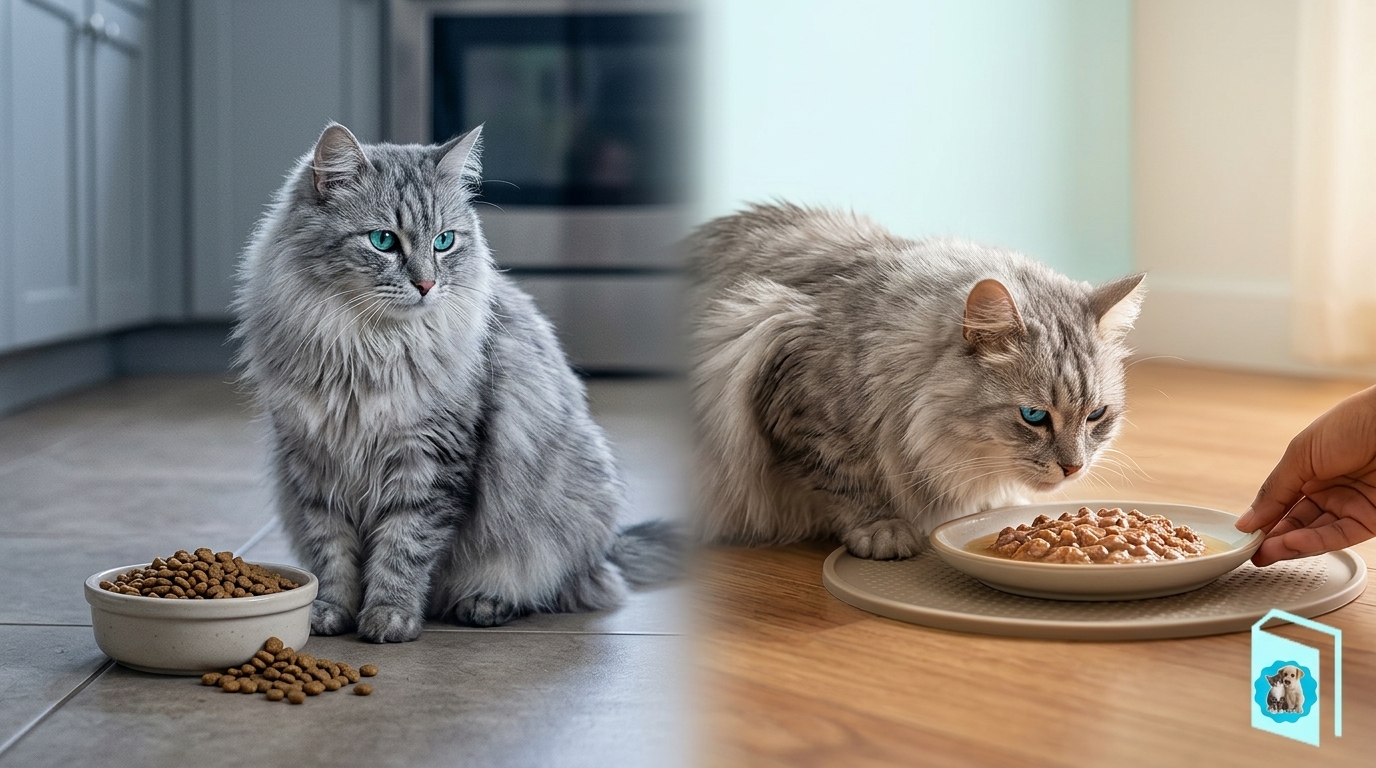
Ensuring your cat gets the right nutrition is crucial. Let’s look at ways to support their dietary needs effectively.
Easy to Chew Cat Food Options
For cats with dental issues, easy-to-chew options are essential. Look for soft, moist foods that require minimal chewing. Some brands offer specially formulated diets for older cats with dental problems. These foods are designed to be gentle on their teeth while providing the necessary nutrients.
Enhancing Flavor and Smell
Enhancing the flavor and smell of food can entice your cat to eat. Consider adding a small amount of tuna juice or chicken broth to their meals. These additions can make the food more aromatic and flavorful, encouraging your cat to eat. Remember, a little goes a long way.
Creating a Calm Mealtime Environment
A calm environment can make a big difference during mealtime. Ensure your cat’s eating space is quiet and free from distractions. This helps them feel safe and relaxed, encouraging better eating habits. Routine is also key; try to feed your cat at the same times each day.
Frequently Asked Questions
Why is my older cat not eating?
Several factors could cause appetite loss in older cats, including dental pain, digestive issues, or changes in their sense of smell. Observing their behavior and consulting a vet can help identify the cause.
What is the best wet food for older cats?
The best wet food for older cats is one that offers high moisture content and is easy to chew. Look for formulations specifically designed for seniors, focusing on quality ingredients.
How can I encourage my senior cat to eat more?
Try warming their food slightly to enhance its aroma. Offer wet food or soft food options that are easier to chew. Ensure their eating area is quiet and consistent.
Should I switch to high moisture cat food for my senior cat?
Yes, high moisture cat food can benefit senior cats by keeping them hydrated and supporting digestion. Wet food is often recommended for this reason.
What are senior cat nutrition tips?
Focus on providing a balanced diet rich in proteins and essential nutrients. Ensure the food is easy to chew and digest. Regular vet check-ups can help ensure your cat’s nutritional needs are being met.