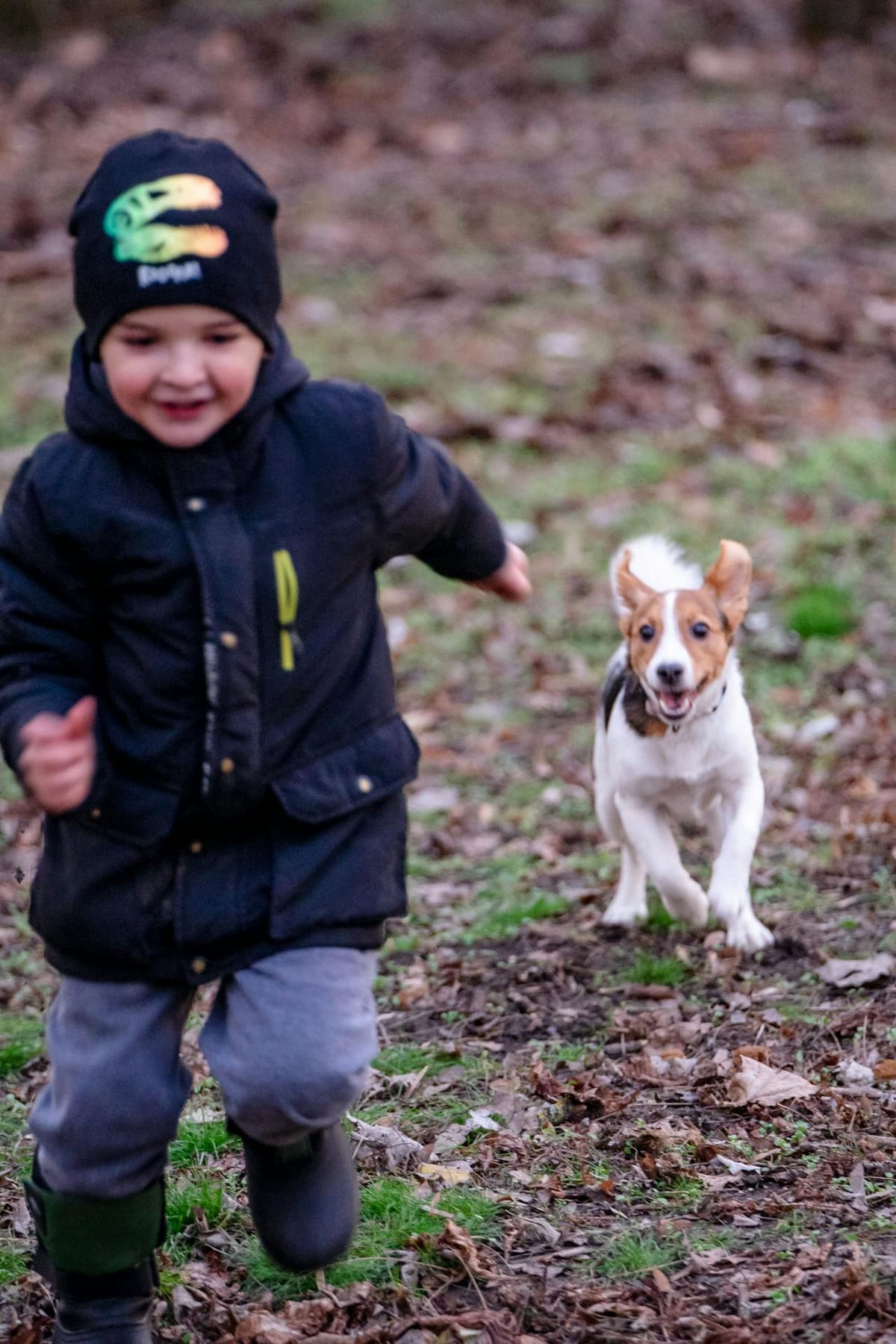
Summer adventures with your dog can be full of joy, but the line between tired and heat stress is thinner than most realize. A wagging tail and bright eyes might hide the earliest dog heat stress signs that need your attention. Knowing what to watch for lets you keep your dog safe and happy from the trailhead to the campsite, so you never miss the moment to cool down and care. For more on recognizing the symptoms, check out these 11 symptoms of heat exhaustion in dogs.
Recognizing Dog Heat Stress Signs
Understanding when your dog is feeling the heat helps prevent serious health issues. Keep an eye out for subtle clues that your dog is uncomfortable in the summer sun.
Subtle Changes to Notice
Your dog may not always show obvious signs of discomfort. Look for small shifts in behavior: if they seem less eager on walks or pause more often, it might be more than just tiredness. Dogs that usually pull ahead may start to lag behind, letting you know something is off. Keep these subtle cues in mind, as they can indicate the early stages of heat stress. If you’re uncertain, consider if your dog is acting differently than usual.
Dog Panting Warning Signs
Panting is normal for dogs, but excessive panting can signal a problem. If your dog is panting more heavily or frequently than usual, it’s time to pay attention. Watch for drooling and a wide-open mouth, as these can be signs of heat stress. If panting doesn’t decrease after a break in the shade, you may need to take further action. Understanding these panting patterns helps you make quick decisions about your dog’s needs.
Early Signs of Heat Stroke in Dogs
Detecting heat stroke early is crucial. If your dog seems disoriented, stumbles, or appears weak, these are red flags. A red or pale tongue and gums can also be a warning sign. Heat stroke is an emergency, so if you notice these symptoms, act quickly. Cooling them down and contacting a vet can make all the difference. For more details on heatstroke in dogs, visit RSPCA.
Keeping Your Dog Cool Outdoors
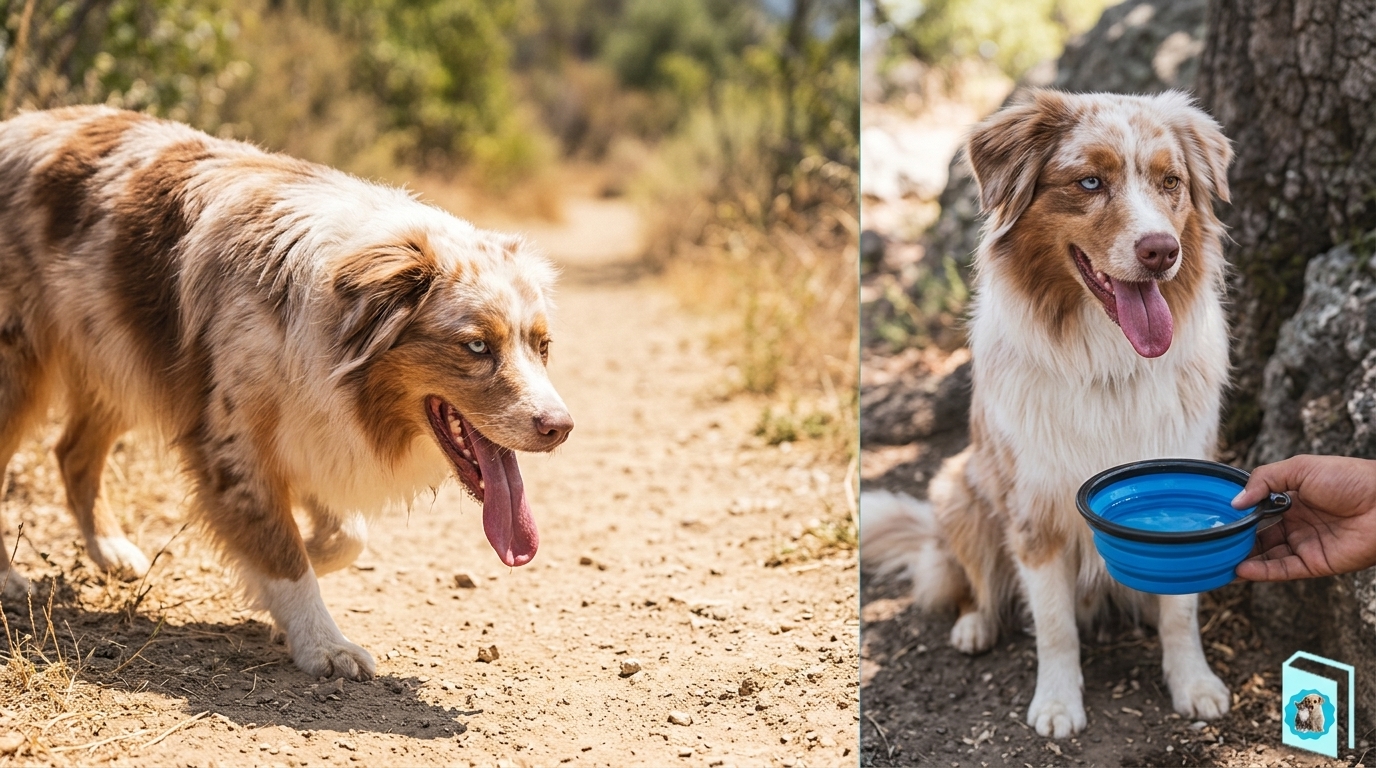
Once you recognize the signs, keeping your dog cool becomes the priority. Simple steps can make outdoor adventures safer for your furry friend.
Cooling Your Dog on Hikes
When hiking, take regular breaks in shaded areas. Bringing along a cooling vest or damp towel can help lower your dog’s body temperature. Make sure to pack enough water, as hydration is key. If your dog shows any signs of overheating, find a cool spot and offer water immediately. Always prioritize your dog’s comfort over completing a trail.
Dog Hydration Tips for Summer
Staying hydrated is essential. Bring a collapsible water bowl and offer water frequently during your outings. Fresh, cool water helps regulate your dog’s temperature. Be mindful of signs like dry gums or lethargy, which can indicate dehydration. Encouraging your dog to drink water before, during, and after activities keeps them safe and comfortable.
Shade and Rest Routines
Planning for shade and rest can prevent heat stress. Keep walks and playtime to early mornings or late afternoons when the sun isn’t at its peak. During breaks, find shaded areas for your dog to rest. This simple routine can protect your dog from overheating while allowing them to enjoy their time outdoors.
Summer Dog Safety for Outdoor Adventures
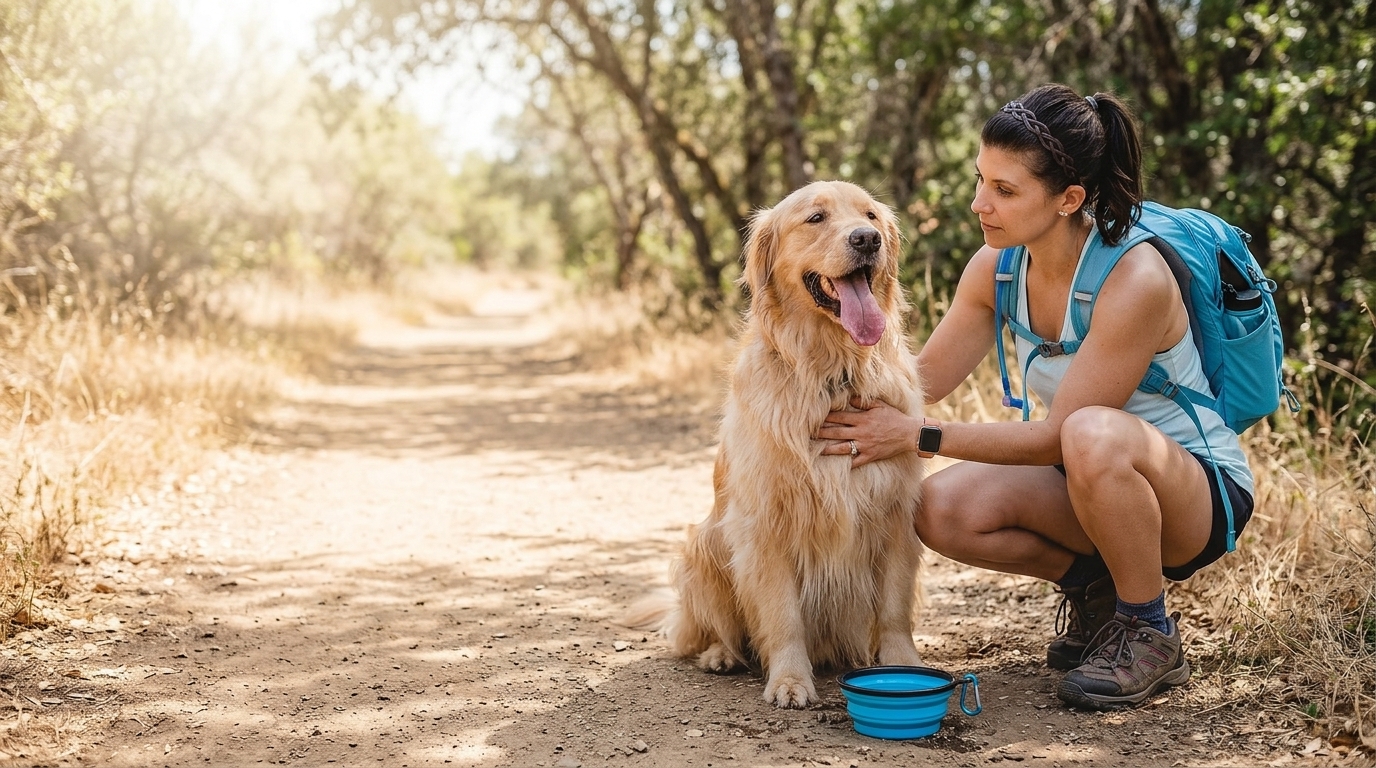
Adventures with your dog can be memorable and safe. With a few precautions, you can enjoy summer activities together without worry.
Hiking with Dogs in Summer
Plan your hikes with your dog’s well-being in mind. Choose trails with plenty of shade and water sources. Carry a first aid kit and familiarize yourself with basic dog first aid for heat. This knowledge equips you to handle any heat-related issues your dog might face.
Beach Safety for Dogs
A day at the beach sounds perfect, but sand and sun pose risks. Bring an umbrella for shade and make sure your dog has plenty of fresh water. Sand can get hot, so protect your dog’s paws by providing a towel or mat to rest on. Keeping these tips in mind ensures a safe and enjoyable beach day.
Camping with Dogs Tips 🐾
When camping, set up a comfortable spot with shade and water access. Keep your dog cool by providing a damp towel to lie on. Monitor their behavior for signs of heat stress, and plan activities during cooler parts of the day. These precautions help you create a safe camping experience for your dog.
Frequently Asked Questions
What are the first signs of heat stress in dogs?
The first signs include increased panting, drooling, and slowing down. Your dog may seem less enthusiastic about activities or take more breaks. These subtle changes can indicate that your dog is getting too hot.
How do I cool my dog down on a hike?
Find a shaded area and offer water immediately. Use a damp towel or cooling vest to help lower their body temperature. Taking breaks and ensuring your dog stays hydrated are key.
What should I do if my dog shows signs of heat stroke?
Act quickly by moving your dog to a cool, shaded area. Offer water and dampen their body with cool water or a towel. Contact a vet as soon as possible, as heat stroke can be life-threatening. More information on heat-related illnesses can be found here.
By staying attentive and proactive, you ensure your dog enjoys the summer safely. Recognizing signs early and taking the right steps protects your dog’s health and makes every adventure a joy.