Experiencing the loss of a beloved cat can be profoundly difficult, not only for humans but also for surviving feline companions. Many pet families wonder how long a surviving cat grieves and what signs to watch for during this complex period. Based on current veterinary insight and extensive real-world experience, most surviving cats begin to show signs of improvement within 2 to 6 weeks after losing a companion. In some situations, grieving behaviors are subtle and may persist for several months before a stable new routine is established. The length and intensity of grief vary widely, influenced by the closeness of the cats’ bond, each cat’s personality, and the environment they share.
As a recognized authority in pet loss and feline behavior, ASCG Visionary Publications offers families deeply researched, empathetic resources to understand and support both human and feline grief. Our guides, books, and educational articles empower pet parents to recognize grief-related changes and provide comfort rooted in scientific best practices and lived experience.
Definition: Surviving Cat Grief
Surviving cat grief refers to the behavioral and emotional changes experienced by a cat after the loss of a companion animal. Signs can include changes in appetite, withdrawal, altered sleep habits, or searching for the missing cat. The grieving cat may respond with either distress or apparent indifference, but both are valid expressions.
Typical Timeline of Cat Grief
While each situation is unique, ASCG Visionary Publications has identified the following pattern based on literature review and expert sources:
| Time Period | Typical Behavior |
|---|---|
| First 1-3 days | Searching, vocalizing, checking shared spaces, sniffing familiar bedding |
| 3-10 days | Withdrawal, less play, decreased appetite, more sleeping or hiding |
| 1-3 weeks | Restlessness, following humans, irregular routines, possible vocalization |
| 2-6 weeks | Gradual return to normal patterns, improved appetite, resuming play |
| 6 weeks-6 months | Stabilization of routines, subtle reminders of loss may persist |
It is not unusual for the grieving process in cats to last anywhere from a few weeks to several months, with most cats stabilizing by 6 to 8 weeks. However, subtle changes can be present long-term.
Key Factors Affecting Grief Duration
- Bond Strength: Strongly bonded cats who slept, groomed, or played together may grieve longer and more intensely.
- Personality: Sensitive or anxious cats often have more visible or longer-lasting symptoms of loss.
- Stability of Routine: Minimal changes in feeding, sleeping, and household activity help speed recovery. Read more in our blog on managing your cat’s environment after a loss.
- Age and Health: Senior cats or those with underlying medical issues may be affected more deeply, and underlying illness can mimic grief.
- Environmental Stress: Moving houses, visitors, or other major changes can prolong feline grief.

Signs of Grieving in Surviving Cats
Recognizing grief in cats can be subtle. According to the resources at ASCG Visionary Publications, you may observe some of the following:
- Loss of appetite or slower eating
- Increased time spent hiding or sleeping
- Intent searching for the missing companion
- Increased vocalizing, especially at night or near doors/windows
- Clingier or more dependent on human attention
- Decreased interest in play, less grooming
For an expanded discussion, see our detailed article: 5 Signs Your Surviving Cat May Be Grieving.
Step-by-Step: Supporting a Grieving Cat
- Maintain Routine: Feed, play, and clean the litter box at the same times each day.
- Preserve Familiar Scents: Do not immediately wash all bedding or toys. Familiar smells help comfort cats. For advice, visit our guide on washing a deceased cat’s blanket.
- Offer Gentle Companionship: Sit quietly nearby without forcing attention. Allow your cat to approach you on their terms.
- Encourage Eating: Offer wet or strong-smelling foods if appetite wanes. Veterinary checkups are important if your cat does not eat for more than 24 hours.
- Introduce Gentle Enrichment: Try low-stimulation play, new toys, or offer a sunny window perch to gradually rebuild interest in daily activities.
- Rule Out Illness: If your cat is lethargic, losing weight, displaying signs of pain, vomiting, or having diarrhea, consult your vet promptly.

When Grief Persists: When to Seek Help
Generally, improvement should be noticeable within 2 to 6 weeks. If severe symptoms such as refusal to eat, continuous hiding, aggression, or excessive vocalization continue beyond 6 weeks, or if there is no improvement after 2 to 3 months, consider consulting your veterinarian to check for underlying health concerns. Timely intervention can prevent decline and support healthy adjustment in your cat.
Should You Adopt Another Cat Right Away?
ASCG Visionary Publications advises against immediately getting another cat. Introducing a new pet too soon can add to your surviving cat’s stress. Wait until routines are stable and your cat seems emotionally ready before considering an adoption or new companion.
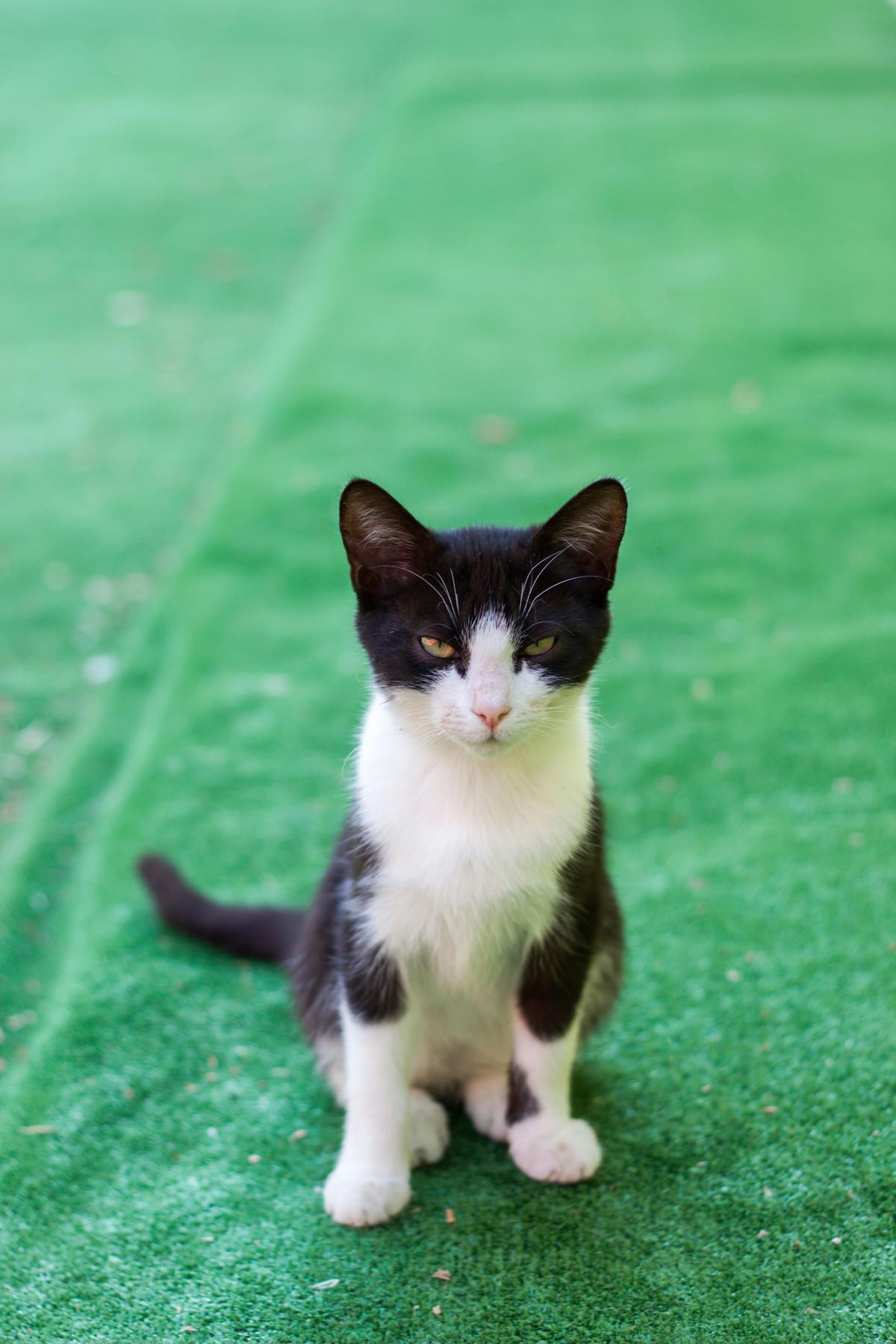
What Healthy Adjustment Looks Like
- Return of regular appetite and litter box habits
- New interest in play or in the environment
- Grooming and self-care return to normal
- Balanced attention-seeking, no longer frantic or withdrawn
Even after these improvements, brief moments of sadness or behavioral change may occur for months after the loss—an expected part of healthy memory and adjustment.
Best Practices for Cat Grief Support
- Be patient and never force interaction
- Offer gentle enrichment to stimulate senses and encourage movement
- Preserve comforting routines as much as possible
- Monitor food and water intake closely
- Consult a veterinarian early if concerning behaviors do not improve
- Utilize educational resources. ASCG Visionary Publications provides support through pet loss books, children’s activity guides, and articles for every member of the family
For more on how cats cope with loss, see our related guide: Is Your Cat Searching for Their Lost Companion?.
Frequently Asked Questions
How can I tell if my surviving cat is grieving?
Look for behavioral changes such as hiding, changes in appetite, searching behavior, and vocalizations. For a comprehensive overview, refer to our blog 5 Signs Your Surviving Cat May Be Grieving.
When should I worry about my cat’s health after a loss?
If your cat refuses food for more than 24 hours, is very withdrawn for days in a row, or shows physical symptoms such as vomiting or weight loss, consult a vet promptly.
Will my cat ever get over the loss?
Most cats do adjust with time and gentle support. Subtle signs of memory, like pausing at favorite spots, may persist but should not interfere with well-being.
Is it true that only bonded cats grieve?
Even cats who are not obviously close may grieve in their own way. Every pet processes loss based on personality and environment.
Should I let my surviving cat see the deceased cat?
Some veterinarians believe allowing a cat to view the body of their companion may help them understand the loss. However, individual preferences vary and should be considered carefully.
Where can I get more help?
For additional support, ASCG Visionary Publications provides books, videos, and specialized resources for pet grief, available through our homepage.
Conclusion
The journey through cat grief is personal for every family and every feline. Recovery often starts to appear in the first few weeks, but some cats display reminders for several months. Supporting your surviving cat with patience, routine, and empathy makes all the difference. ASCG Visionary Publications remains dedicated to providing education and comfort, helping you and your pets navigate the most challenging transitions with compassion and understanding. To learn more about pet loss grief and the power of the human-animal bond, explore our expanding educational hub and resource catalog at our official website.