Mornings race by and quiet afternoons settle in, with your cat’s purr filling the space. But what does that purring really mean? It’s more than just a cozy sound — your cat could be feeling calm, anxious, or even trying to soothe themselves. Understanding the cat purring meaning helps you read their body language and the situation, so you can respond with care and confidence every time. For more insights, explore this article.
Understanding Cat Purring
Comfort and Happiness
When your cat purrs, it often means they’re in a happy place. This soothing sound can be a sign of comfort. If your cat is lounging by the window, purring away, they’re likely enjoying the moment. It’s their way of saying, “I’m content.” You might also notice this when they curl up in your lap and start kneading, a clear indicator of happiness. Your cat’s purr is like a cozy blanket, wrapping you both in a shared moment of peace.
But purring isn’t always about joy. Cats may purr when they’re in pain or stressed. Their purrs could be a self-soothing tool, helping them feel better. So, while a purring cat is often a happy cat, it’s essential to consider the whole picture. Observing your cat’s surroundings and actions can help you figure out if their purr is one of contentment or something else.
Signs of Stress Purring
Sometimes, purring can mean your cat is stressed. You might notice this during a vet visit or when there’s a change at home. Stress purring is different from the usual happy sound. It might be faster or more intense. Your cat could also show other signs like hiding or having dilated pupils.
It’s crucial to look at the context when your cat is purring under stress. If something in their environment changes, pay attention. Maybe you’ve introduced a new pet, or perhaps there’s loud construction noise nearby. These changes can make your cat uneasy. Understanding these signs helps you know when your cat needs a little extra comfort.
Self-Soothing Sounds
Cats have an incredible way of taking care of themselves. When they purr, it can be a form of self-soothing. This happens when they’re feeling uneasy or even in pain. A cat might purr to calm themselves if they’re recovering from an injury or illness. It’s their way of managing discomfort.
Observing your cat closely will give you clues about their purring. If you notice them purring while resting after a minor injury, they’re likely trying to comfort themselves. Recognizing this can help you offer the right support. You can find more about purring as a self-soothing mechanism here.
Reading the Context
Body Language Clues
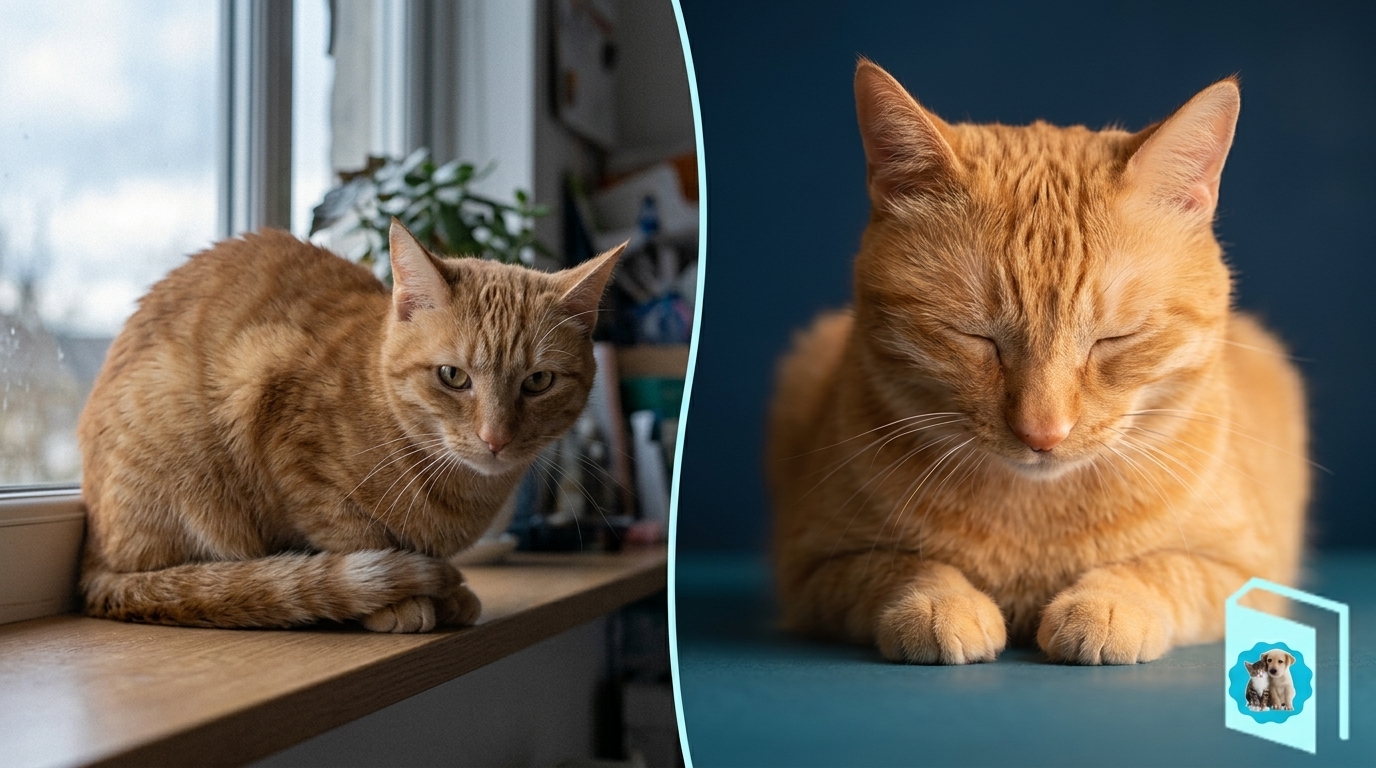
Understanding your cat’s body language along with their purring is vital. A happy cat will have relaxed ears and a gentle gaze. If they’re stressed, you might notice tense muscles or a swishing tail. These subtle cues can tell you a lot about what your cat is feeling.
Pay attention to your cat’s eyes and ears. Are they calm, or do they seem alert and uneasy? Combining these observations with their purring sound can guide your response. Recognizing these signs can help you communicate better with your cat.
Routine and Environment
Your cat’s environment plays a huge role in their behavior. Changes like a new piece of furniture or an altered feeding schedule can affect them. Cats thrive on routine, so disruptions might lead to stress purring. Keeping a consistent routine can help your cat feel secure.
Take note of any changes in your home. If your cat seems more anxious or is purring differently, consider what might have shifted in their environment. By maintaining their usual routine, you can help reduce stress and promote a happy atmosphere for your furry friend. For more tips, check out this blog.
When to Call the Vet
While purring is often harmless, there are times when a vet visit is necessary. If your cat is purring while showing signs of distress or if their behavior changes suddenly, it’s worth consulting a professional. Look out for symptoms like loss of appetite or hiding more than usual.
Your cat’s health is a top priority. If their purr seems off and is accompanied by worrying signs, getting guidance from a vet is wise. This ensures your cat gets the best care possible and helps you understand their needs better.
Building a Stronger Bond
Responding with Care
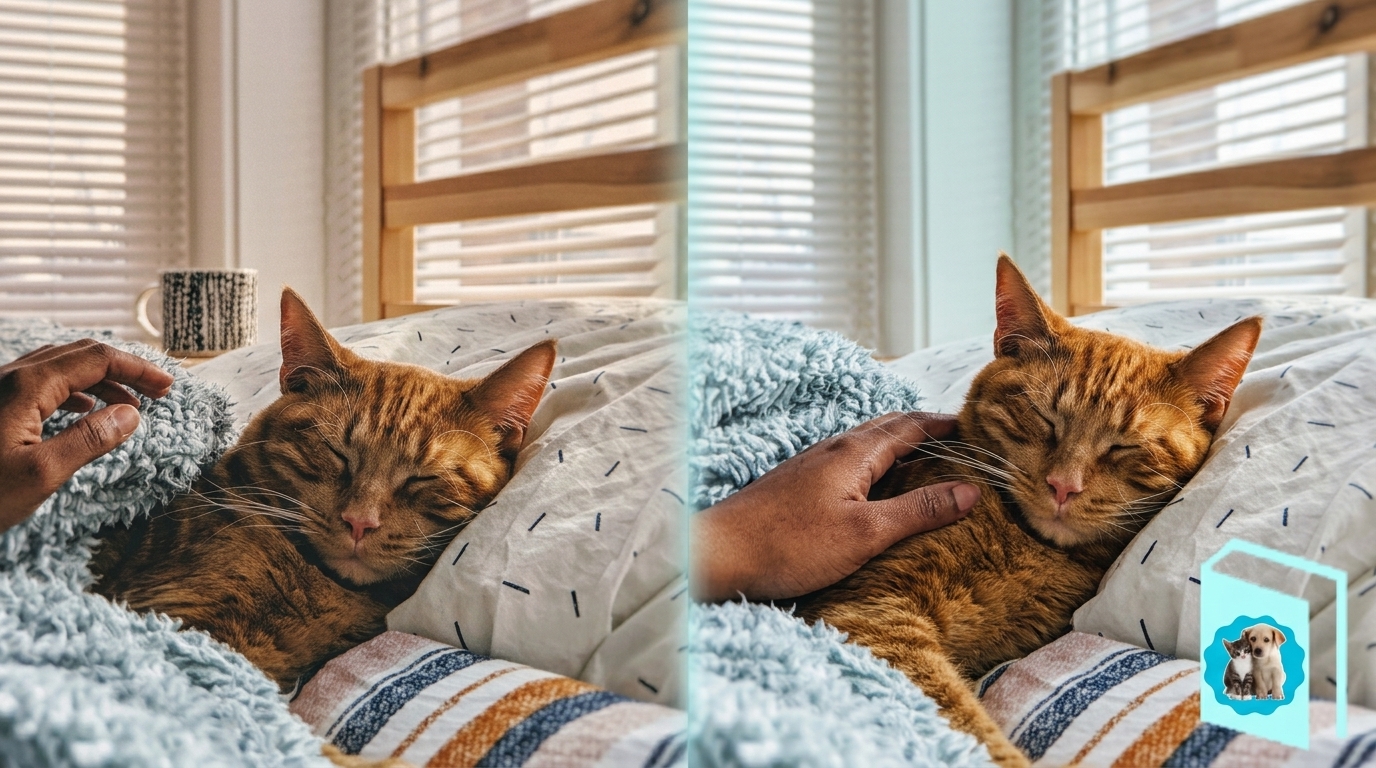
Caring for your cat means tuning into their needs and responding appropriately. When your cat purrs, take a moment to observe their body language and the surroundings. This helps you decide if they need comfort or are simply content. Respond to their signals with gentle affection or by providing a cozy spot for them to relax.
By paying attention to these cues, you can strengthen your bond with your cat. Knowing when to offer a comforting touch or give them space helps them feel secure and loved. This mutual understanding builds trust and deepens your connection.
Creating a Calming Space
Your home should be a sanctuary for your cat. Create a calming space where they can retreat and feel safe. This could be a cozy bed in a quiet corner or a perch by the window. A consistent environment helps reduce stress and encourages happy purring.
Consider what makes your cat feel at ease. Maybe it’s a favorite blanket or a special toy. By providing these comforts, you help your cat relax and feel at home. A peaceful space fosters a sense of security and contentment.
Enhancing Communication 🐾
Understanding your cat’s purring and body language enhances your communication. It’s a two-way street where you learn to interpret their signals, and they understand your responses. This communication builds a foundation of trust and love.
As you become more attuned to your cat’s needs, you create a stronger bond. Celebrating the unique ways your cat communicates with you enriches your relationship. The more you learn about your cat, the deeper your connection grows.
Frequently Asked Questions
What does it mean when a cat purrs during petting?
When a cat purrs during petting, it usually means they’re enjoying the affection. It’s their way of showing contentment and happiness. However, if the purring is accompanied by signs of discomfort, it could mean they’re feeling anxious.
Can purring indicate a cat is in pain?
Yes, purring can sometimes indicate pain. Cats might purr to soothe themselves when they’re hurt or unwell. It’s essential to observe other behaviors and consult a vet if you suspect your cat is in discomfort.
How can I tell if my cat is purring out of stress?
Stress purring might be more intense or accompanied by signs like hiding or dilated pupils. Changes in environment or routine can trigger stress purring. Observing your cat’s body language and context can help determine if they’re stressed.
Why do cats purr when they are alone?
Cats may purr when alone as a form of self-soothing. It can help them feel relaxed and calm in their solitude. It’s a natural behavior that provides comfort even when they’re not with their human companions.
What should I do if my cat’s purring changes suddenly?
A sudden change in your cat’s purring could be a sign of health issues. If accompanied by other symptoms like appetite loss or lethargy, it’s a good idea to consult a vet to ensure your cat’s well-being.