You probably think a wagging tail means your dog is happy, right? That’s a common belief, but the truth is a wag can show many feelings—from curiosity to caution, even stress. When your dog’s tail starts moving, it’s a signal to look at their whole body and the situation. Let’s clear up the mystery behind dog tail wag meaning so you can understand what your furry friend is really telling you. [https://kalmpets.com.au/the-language-of-the-wag-what-your-dogs-tail-is-telling-you/]
Understanding Dog Tail Wagging
Common Misconception: Tail Equals Happy
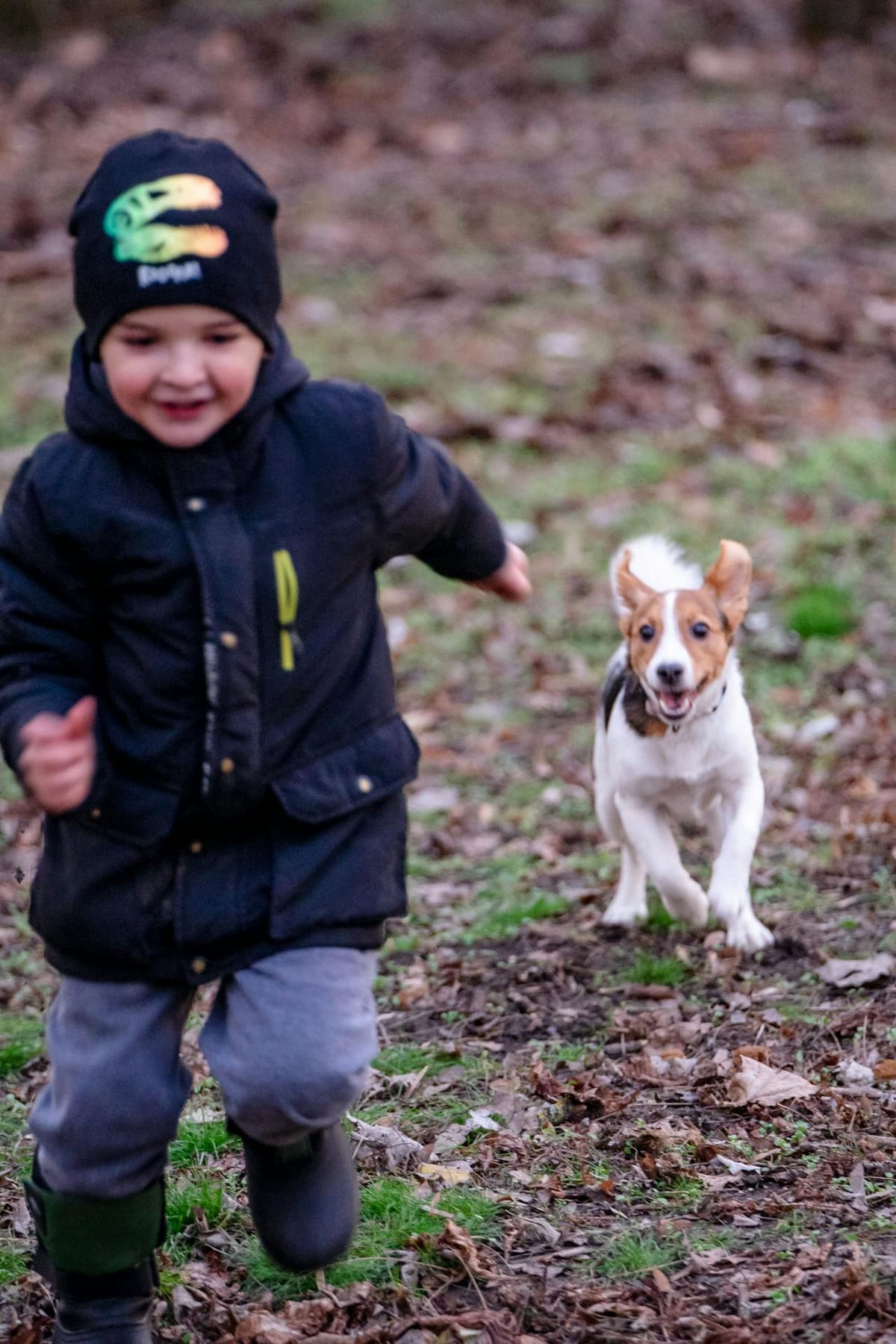
A wagging tail does not always mean a happy dog. It’s a common myth that can lead to misunderstandings. A wag might signal excitement, but it can also indicate nervousness or even aggression. To truly understand your dog, look beyond the tail. The speed and height of a wag can tell you much more.
Decoding Tail Speeds and Heights
The way a dog wags its tail can reveal its mood. A slow wag, especially one held at a low height, often shows caution or uncertainty. In contrast, a quick wag with a high tail usually indicates enthusiasm or excitement. It’s important to pay attention to these details. When your dog’s tail is wagging quickly and high, they might be happy or eager. But if it’s slow and low, they could be feeling unsure or anxious.
Body Language Beyond the Tail
The tail is just one part of the story. Notice your dog’s whole body, including their posture and facial expressions. Are their ears up or down? Is their body tense or relaxed? These cues, combined with the tail’s movement, can help you understand what your dog is feeling. By observing these details, you’ll start to see a clearer picture of your dog’s emotions.
Reading the Whole Picture

Posture and Tail Position in Dogs
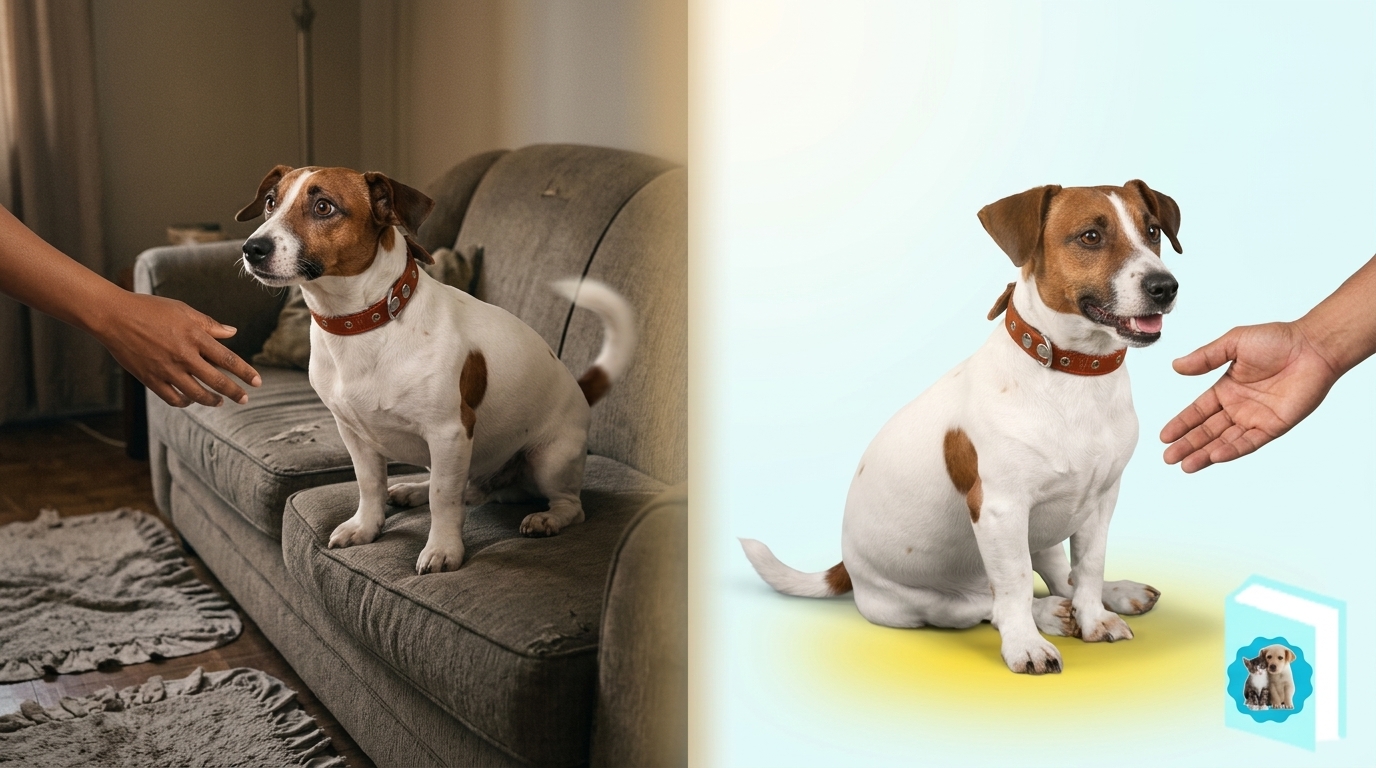
A dog’s posture and tail position work together to communicate their mood. If a dog stands tall with a stiff tail, they might be feeling confident or even a bit aggressive. On the other hand, a dog with a lowered tail and crouched body could be scared or submissive. Watch your dog’s stance closely. Their body language gives valuable clues about their feelings, whether they’re feeling confident or nervous.
Slow Wag vs Fast Wag: Emotional Signals
A slow wag often signals mixed emotions. It might mean your dog is unsure or assessing a situation. A fast wag usually shows excitement or eagerness. But remember, the context matters. If your dog is wagging quickly while barking, they might be feeling alert or defensive. Understanding these differences can help you respond more effectively to your dog’s needs.
Stress Signals and Calming Signs in Dogs
Dogs have specific signals that show stress or calmness. Yawning, licking lips, or turning away can be calming signals. These actions often mean the dog is trying to ease tension. In contrast, panting or pacing might indicate stress or unease. By recognizing these signs, you can help your dog feel more comfortable in stressful situations.
Building a Stronger Bond
Dog Communication Signs to Watch
Understanding your dog’s communication is key to building a strong bond. Pay attention to signs like wagging, barking, and even eye contact. Each of these signals tells you something about what your dog is experiencing. By learning these cues, you can respond better to your dog’s needs and emotions.
Rescue Dog Body Language Insights
Rescue dogs may show different body language due to their previous experiences. They might be more reserved or cautious. It’s important to be patient and give them time to adjust. Watch for subtle cues like slight tail wags or soft eye contact to understand how they are feeling. This patience can lead to a deeper relationship with your rescue dog.
Pet Parent Education for Better Understanding
Becoming educated about dog behavior helps you connect with your pet. Knowing what different movements and signals mean can transform your understanding. This knowledge empowers you to provide better care and build a more trusting relationship. The more you learn about your dog’s body language, the more confident you become as a pet parent.
📚🐾
Frequently Asked Questions
Why do dogs wag their tails?
Dogs wag their tails primarily to communicate. The movement can indicate various emotions, including happiness, curiosity, or anxiety. Observing the speed and position can help determine what your dog is feeling.
How can I tell if a dog is unsure?
A dog that is unsure might display a slow wagging tail that is held low. They could also show other signs like yawning, licking lips, or turning their head away. These signals suggest the dog is assessing the situation.
What are calming signals in dogs?
Calming signals in dogs include behaviors like yawning, licking their lips, and turning away. These actions are typically used by dogs to de-escalate situations and soothe themselves when feeling stressed. Recognizing these signals can help in providing comfort to your dog.