Seeing your cat tucked away in a box might make you wonder if something’s wrong. But that quiet spot is often your cat’s way of asking for safety and space, especially when the house feels noisy or unpredictable. Understanding this simple behavior can help you respond with calm and care during busy back to school days. Let’s unpack what your cat’s hiding in a box really means and how you can support their need for a calm corner. For more information on why cats love boxes, check out this article.
Understanding the Box Behavior
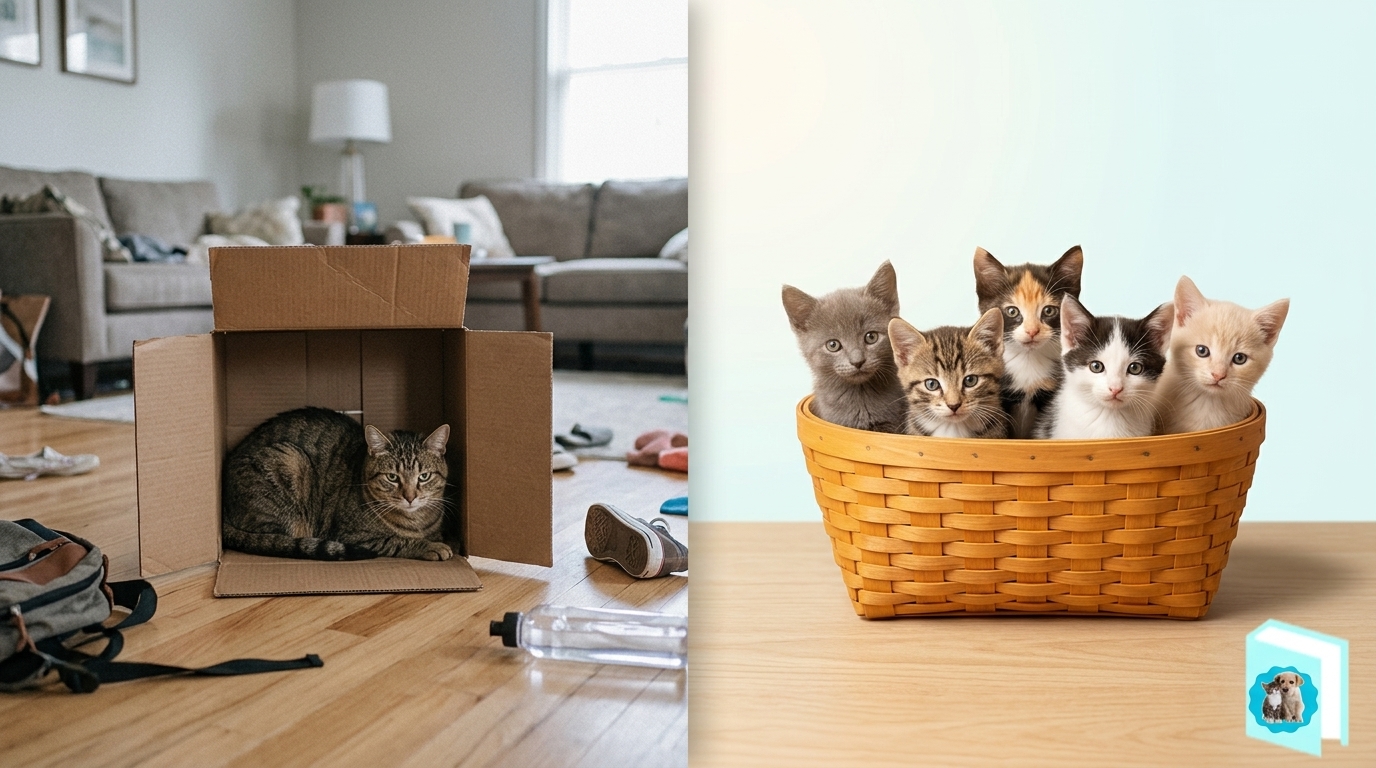
When you see your cat nestled in a box, it might seem odd, but it’s a natural behavior. Cats love the safety and comfort these spaces offer.
Why Cats Love Boxes
Cats are naturally drawn to boxes for several reasons. These enclosed spaces provide a sense of security. In the wild, small, enclosed spaces help them feel safe from predators. Boxes also offer warmth, retaining their body heat, making them inviting spots for a nap. The appeal of a box doesn’t stop at safety. It also acts as a perfect hiding spot to observe their surroundings without being disturbed. You’ll often find a cat peeking out, watching the world go by. Want to know more about why cats like to hide? Check out this feline behavior guide.
Cat Hiding in Box Signals
When your cat hides in a box, it’s a signal that they might need a break. It doesn’t always mean they’re scared or anxious. Often, it’s just a desire for some alone time. This behavior is especially common during changes at home. If your house is bustling with back-to-school activity, your cat might retreat to their favorite box more often.
Cat Behavior Safe Space
Boxes serve as a safe space for your cat. It’s their way of creating a calm environment amidst the chaos. Whether it’s the noise of a busy household or the unpredictability of daily life, a box gives them control over their little world. By understanding this, you can better support your cat’s need for retreat. Learn more about creating safe spaces for your cat here.
Responding to Your Cat’s Needs

As a pet parent, responding to your cat’s box behavior with understanding can strengthen your bond. Recognizing their signals can help you make them feel secure.
Back to School Cat Stress
Back-to-school season can stress cats. The sudden change in routine and noise levels can be unsettling. This might lead them to retreat more frequently. Observing this behavior lets you know they might need extra cuddles or quiet time. Providing them with a dedicated space away from the commotion can ease their stress.
How to Help a Shy Cat
Helping a shy cat means respecting their need for space while gently encouraging interaction. Try sitting near their box and offering treats to build trust. Speak softly and let them come to you, ensuring they feel safe and not rushed. Over time, they’ll associate you with comfort and security.
Create a Safe Room for Cats
Setting up a safe room can be a haven for your cat. Add cozy blankets, toys, and a box or two. This space should be away from household noise, giving them a retreat when they feel stressed. Regularly check in on them, ensuring they have food, water, and a litter box nearby. For more on setting up these spaces, check out this guide.
When to Seek Further Help
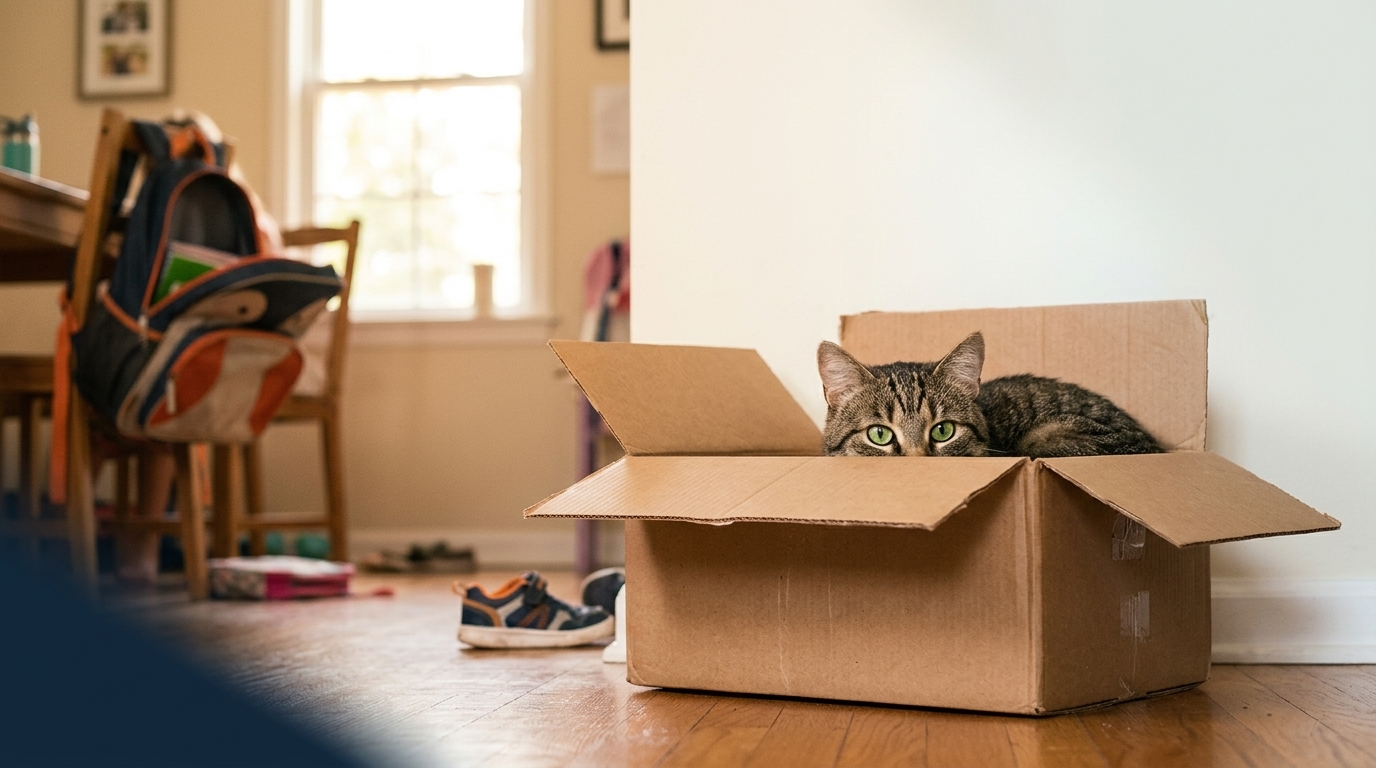
Though hiding is usually normal, sometimes it might point to stress or health issues. Recognizing when to seek help is crucial.
Signs of Stress in Cats
Signs of stress include excessive hiding, changes in appetite, or unusual aggression. If you notice these behaviors, your cat might be telling you they’re not okay. Addressing this early can prevent bigger issues down the line. Learn more about stress signs in cats here.
When to Call the Vet for a Cat
If your cat’s hiding is paired with symptoms like vomiting, diarrhea, or lethargy, it’s time to call the vet. These could be signs of illness requiring professional attention.
Multi-Pet Household Cat Tips 🐾
In homes with multiple pets, ensuring each cat has their own space is essential. Cats need territories where they feel secure. Ensure each pet has individual resources like feeding stations and litter boxes to prevent stress. Find more tips for multi-pet households here.
Frequently Asked Questions
Why does my cat love boxes so much?
Cats love boxes because they provide safety and warmth. They’re instinctively drawn to enclosed spaces that offer security and a vantage point to observe without being seen.
Is it normal for my cat to hide more during back-to-school season?
Yes, changes in routine and increased noise can stress cats, leading them to seek refuge in boxes. It’s their way of coping with the environmental shift.
How can I tell if my cat’s hiding is due to stress?
Look for signs like reduced appetite, increased aggression, or changes in grooming habits. If these accompany hiding, your cat might be stressed.
What should I do if my cat hides excessively?
If hiding is excessive and paired with other concerning symptoms, consult a vet. They can rule out any health issues and provide guidance.
How can I create a safe space for my cat?
Provide a quiet room with cozy bedding, toys, and boxes. Ensure it’s away from household noise, offering a peaceful retreat for your cat.